Flexible AC Transmission Systems (FACTS) Training Course

At a glance
- Duration
- 5 days
- Format
- Classroom and online
- Cities
- Abu Dhabi, Cape town, Tashkent, Zanzibar, Rome, Istanbul and more
- Next session
- 5 – 9 October 2026, Abu Dhabi
- Price
- From 3,000 €
Course Overview
The course is a comprehensive program designed to equip engineers with in-depth knowledge and practical skills in FACTS of controllers and power transmission. This course delves into the essential concepts and applications of Flexible AC Transmission Systems (FACTS), focusing on static shunt and series converters, and the Unified Power Flow Controller (UPFC). Participants will gain insights into Voltage Sourced Converters, Current Sourced Converters, and the design of FACTS controllers. With a strong emphasis on Power Transmission Stability, Controllable VAR Generation, and Power Oscillation Damping Techniques, this course offers hands-on learning and real-world applications. Engineers will learn to enhance voltage regulation, improve transient stability, and compare SVC and STATCOM systems. By mastering Thyristor-Controlled Series Capacitors and Pulse Width Modulation (PWM) Converters, participants will be prepared to address complex challenges in power flow control and transmission.
Target Audience
- Electrical Engineers
- Power Systems Engineers
- Transmission Engineers
- Control Systems Engineers
- Senior Technicians
- Engineers looking to specialize in Flexible AC Transmission Systems (FACTS)
Targeted Organizational Departments
- Power Transmission Departments
- Electrical Engineering Divisions
- Control Systems Units
- R&D Departments in Power Systems
Targeted Industries
- Power Generation and Transmission
- Electrical Engineering Services
- Renewable Energy Sector
- Utility Companies
Course Offerings
By the end of this course, participants will be able to:
- Understand and apply the principles of Flexible AC Transmission Systems (FACTS)
- Design and implement FACTS controllers in power transmission systems
- Enhance power transmission stability and efficiency using advanced techniques
- Compare and evaluate different types of static shunt and series compensators
- Implement Voltage Sourced and Current Sourced Converters effectively
Training Methodology
This course employs a variety of training methodologies to ensure an engaging and effective learning experience. Participants will benefit from interactive lectures, case studies, group discussions, and hands-on workshops. Real-world examples and practical applications of FACTS controllers will be emphasized to bridge the gap between theory and practice. Collaborative group work and feedback sessions will encourage active participation and knowledge sharing.
Course Toolbox
- Comprehensive workbooks and manuals
- Access to online resources and reading materials
- Checklists and templates for FACTS controller design
Course Agenda
Day 1: Concepts of Flexible AC Transmission Systems
- Topic 1: Introduction to Flexible AC Transmission Systems (FACTS)
- Topic 2: Types and Applications of FACTS Controllers
- Topic 3: Shunt Controllers in Power Transmission
- Topic 4: Series Controllers and Their Benefits
- Topic 5: Combined Shunt and Series Controllers
- Reflection & Review: Key Learnings and Benefits of FACTS
Day 2: Voltage And Current Sourced Converters
- Topic 1: Fundamentals of Voltage Sourced Converters
- Topic 2: Single Phase and Three Phase Full Wave Bridge Converters
- Topic 3: Transformer Connections for 12-Pulse Operation
- Topic 4: Current Sourced Converters with Turn Off Devices
- Topic 5: Comparison Between Voltage Sourced and Current Sourced Converters
- Reflection & Review: Practical Applications of Converters
Day 3: Static Shunt Compensators
- Topic 1: Objectives and Methods of Shunt Compensation
- Topic 2: Midpoint Voltage Regulation Techniques
- Topic 3: Enhancing Transient Stability and Power Oscillation Damping
- Topic 4: Variable Impedance and Switching Converter Type VAR Generators
- Topic 5: Comparison of SVC and STATCOM Systems
- Reflection & Review: Enhancing Stability with Shunt Compensators
Day 4: Static Series Compensators
- Topic 1: Objectives of Series Compensation
- Topic 2: Techniques for Voltage Stability Improvement
- Topic 3: Thyristor-Controlled Series Capacitor (TCSC) Systems
- Topic 4: Operating Control Schemes for Series Compensators
- Topic 5: Static Synchronous Series Capacitor (SSSC)
- Reflection & Review: Effective Use of Series Compensators
Day 5: Power Flow Controllers
- Topic 1: Basic Principles of Unified Power Flow Controller (UPFC)
- Topic 2: Real and Reactive Power Flow Control
- Topic 3: Dynamic Performance of Power Flow Controllers
- Topic 4: Interline Power Flow Controller (IPFC) Applications
- Topic 5: Multifunctional FACTS Controllers
- Reflection & Review: Advanced Power Flow Control Techniques
How This Course is Different from Other (FACTS) Maintenance Courses
This course stands out by offering a hands-on, practical approach to learning about Flexible AC Transmission Systems (FACTS). Unlike other courses, it integrates real-world applications and case studies, ensuring that participants can directly apply their learning to solve complex power transmission challenges. The course also covers a wide range of FACTS controllers, from static shunt and series compensators to advanced power flow controllers like UPFC and IPFC. With a strong emphasis on practical skills and industry best practices, participants will leave with the confidence and expertise needed to excel in the field of power transmission engineering.
credits: 5 credit per day
Course Mode: full-time
Provider: Agile Leaders Training Center
-
Events for this Course
-
Abu Dhabi 5 – 9 October 2026
-
Cape town 11 – 15 October 2026
-
Tashkent 18 – 22 October 2026
-
Zanzibar 25 – 29 October 2026
-
Rome 2 – 6 November 2026
-
Istanbul 16 – 20 November 2026
-
Porto 16 – 20 November 2026
-
Marbella 22 – 26 November 2026
-
Toronto 22 – 26 November 2026
-
Cairo 23 – 27 November 2026
-
Abu Dhabi 30 November – 4 December 2026
-
New York 14 – 18 December 2026
-
Baku 21 – 25 December 2026
-
Frankfurt 21 – 25 December 2026
-
Dubai 28 December 2026 – 1 January 2027
-
Singapore 28 December 2026 – 1 January 2027
-
Jakarta 4 – 8 January 2027
-
Muscat 10 – 14 January 2027
-
Zoom 18 – 22 January 2027
-
Geneva 24 – 28 January 2027
-
Tokyo 1 – 5 February 2027
-
Langkawi 7 – 11 February 2027
-
Doha 14 – 18 February 2027
-
Paris 22 – 26 February 2027
-
Prague 1 – 5 March 2027
-
Lisbon 1 – 5 March 2027
-
Montreux 15 – 19 March 2027
-
Trabzon 21 – 25 March 2027
-
Madrid 29 March – 2 April 2027
-
Sharm El-Sheikh 5 – 9 April 2027
-
Barcelona 19 – 23 April 2027
-
Amman 25 – 29 April 2027
-
Casablanca 3 – 7 May 2027
-
Kuala Lumpur 3 – 7 May 2027
-
Chicago 9 – 13 May 2027
-
Kuwait 16 – 20 May 2027
-
Seoul 24 – 28 May 2027
-
Accra 30 May – 3 June 2027
-
Phuket 6 – 10 June 2027
-
San Diego 14 – 18 June 2027
-
Berlin 14 – 18 June 2027
-
Dubai 21 – 25 June 2027
-
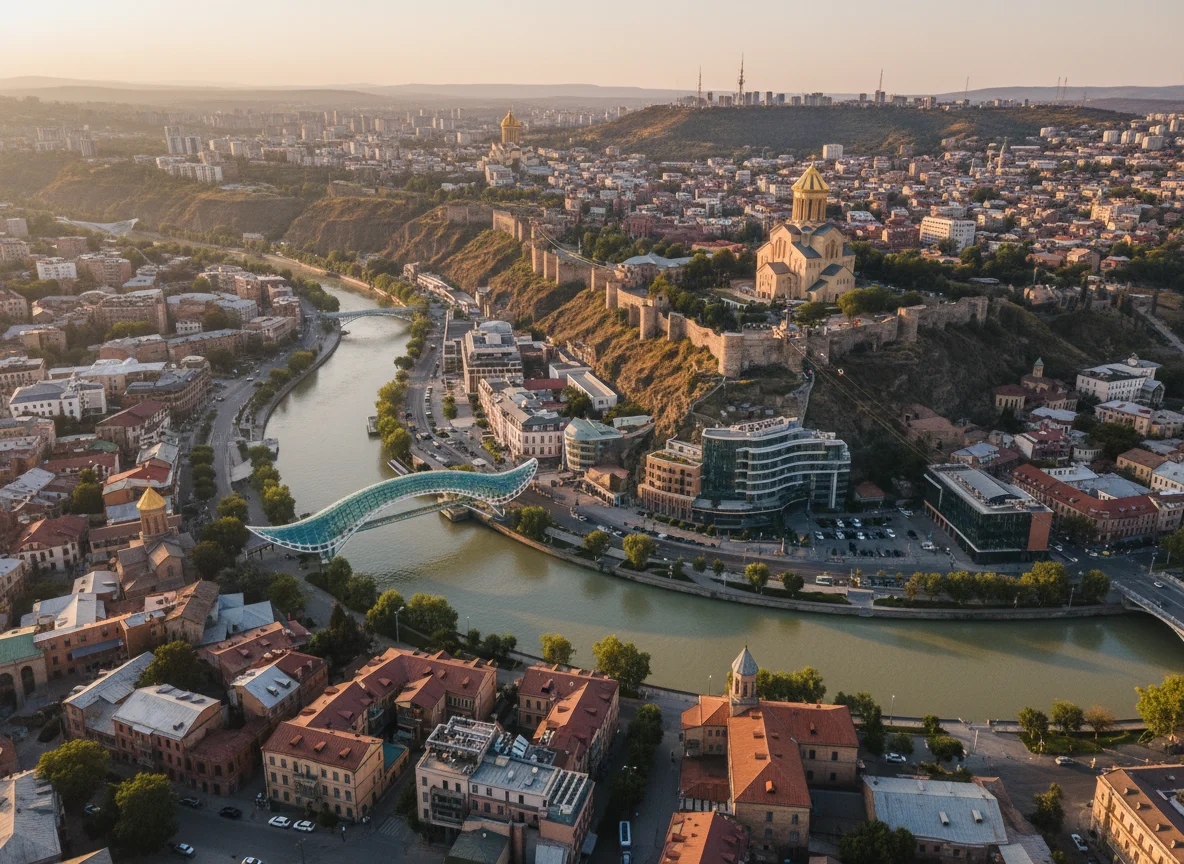
Tbilisi 28 June – 2 July 2027
-
Bali 4 – 8 July 2027
-
London 5 – 9 July 2027
-
Vienna 12 – 16 July 2027
-
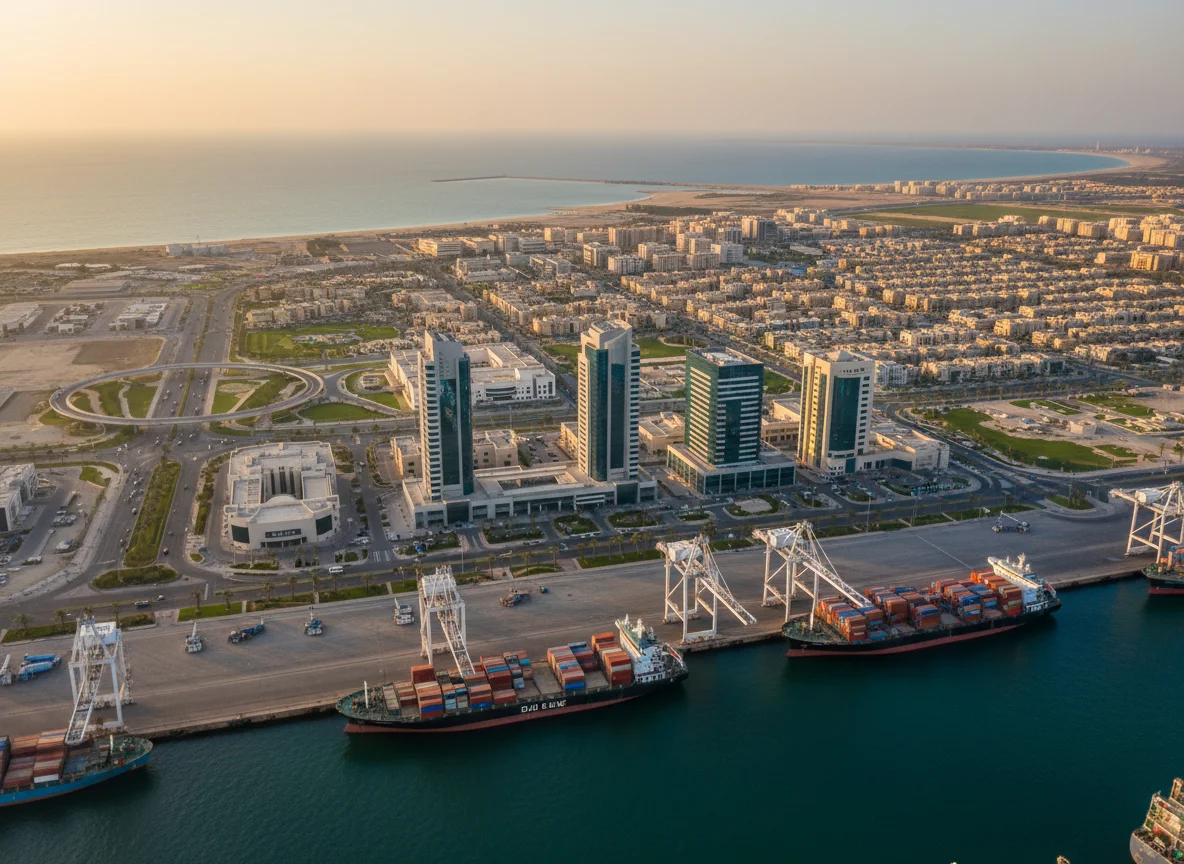
Al Jubail 18 – 22 July 2027
-
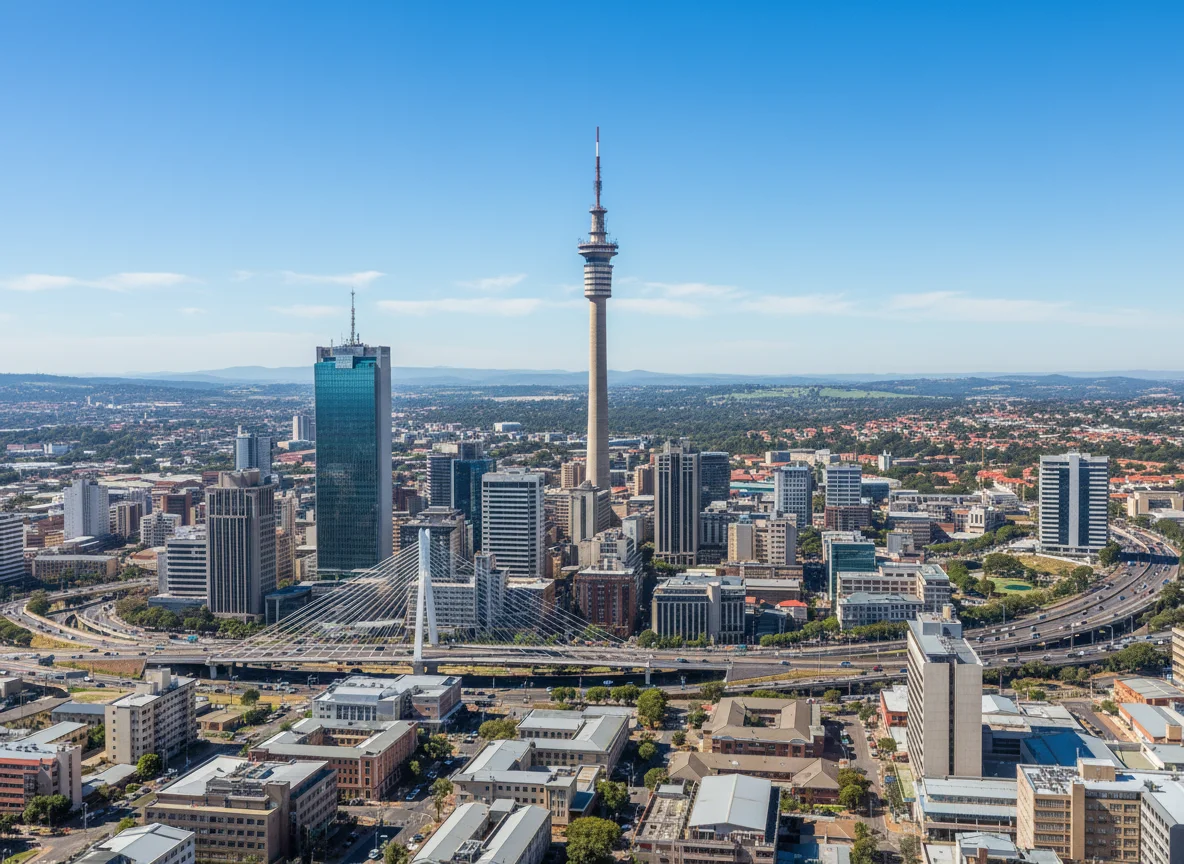
Johannesburg 25 – 29 July 2027
-
Amsterdam 2 – 6 August 2027
-
Riyadh 8 – 12 August 2027
-
Nice 16 – 20 August 2027
-
Munich 23 – 27 August 2027
-
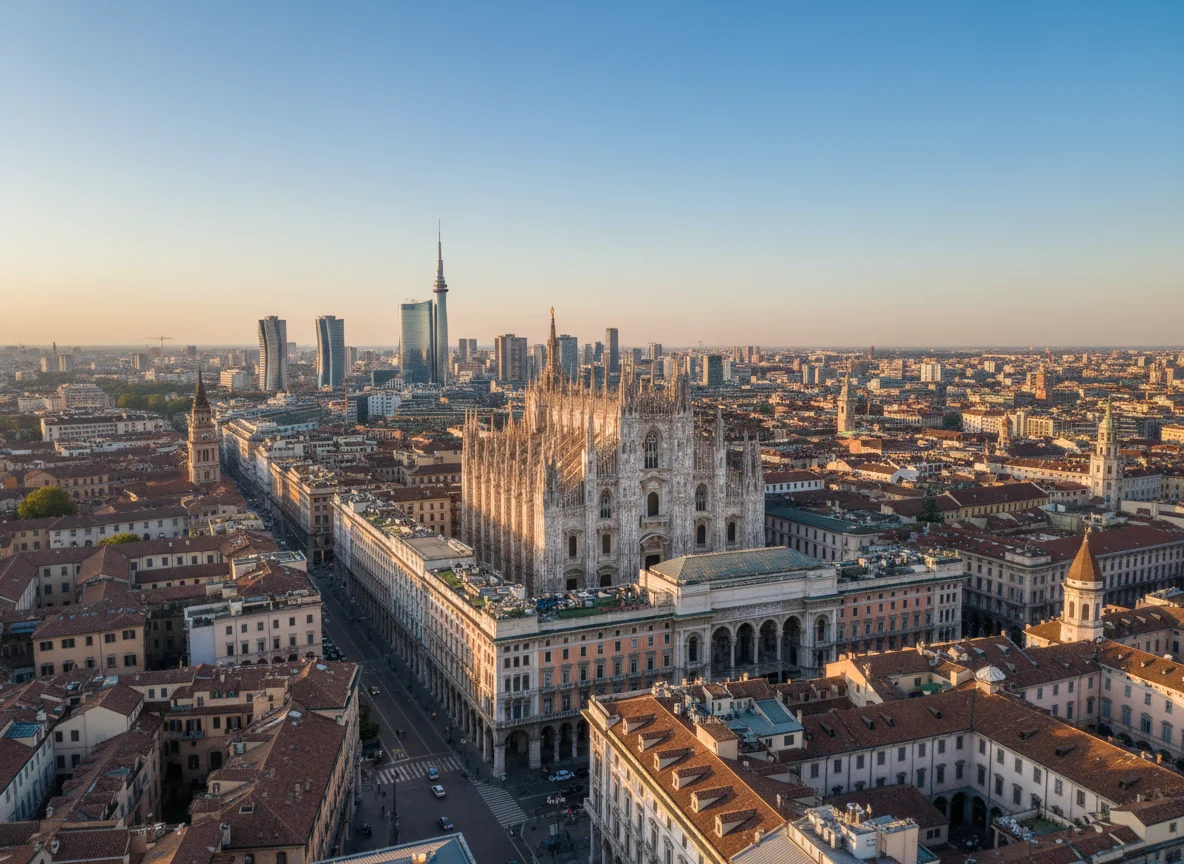
Milan 30 August – 3 September 2027
-
Bangkok 5 – 9 September 2027
-
Manama 12 – 16 September 2027
-
Nairobi 19 – 23 September 2027
-
London 27 September – 1 October 2027
-
Athens 27 September – 1 October 2027
| Image | Location | Dates | Duration | Mode | Price | Actions |
|---|---|---|---|---|---|---|

|
Berlin |
Week 24, 2027 14 – 18 June 2027 |
5 Days | Onsite | €6,500 | |

|
Dubai |
Week 25, 2027 21 – 25 June 2027 |
5 Days | Onsite | €6,500 | |
|
Tbilisi |
Week 26, 2027 28 June – 2 July 2027 |
5 Days | Onsite | €5,700 | |

|
Bali |
Week 26, 2027 4 – 8 July 2027 |
5 Days | Onsite | €6,500 | |

|
London |
Week 27, 2027 5 – 9 July 2027 |
5 Days | Onsite | €6,500 | |

|
Vienna |
Week 28, 2027 12 – 16 July 2027 |
5 Days | Onsite | €7,500 | |
|
Al Jubail |
Week 28, 2027 18 – 22 July 2027 |
5 Days | Onsite | €7,500 | |
|
Johannesburg |
Week 29, 2027 25 – 29 July 2027 |
5 Days | Onsite | €6,000 | |

|
Amsterdam |
Week 31, 2027 2 – 6 August 2027 |
5 Days | Onsite | €6,500 | |

|
Riyadh |
Week 31, 2027 8 – 12 August 2027 |
5 Days | Onsite | €7,500 | |

|
Nice |
Week 33, 2027 16 – 20 August 2027 |
5 Days | Onsite | €8,000 | |

|
Munich |
Week 34, 2027 23 – 27 August 2027 |
5 Days | Onsite | €6,500 | |
|
Milan |
Week 35, 2027 30 August – 3 September 2027 |
5 Days | Onsite | €7,000 | |

|
Bangkok |
Week 35, 2027 5 – 9 September 2027 |
5 Days | Onsite | €8,000 | |
|
Manama |
Week 36, 2027 12 – 16 September 2027 |
5 Days | Onsite | €6,500 | |

|
Nairobi |
Week 37, 2027 19 – 23 September 2027 |
5 Days | Onsite | €6,000 | |
|
|
London |
Week 39, 2027 27 September – 1 October 2027 |
5 Days | Onsite | €6,500 | |
|
Athens |
Week 39, 2027 27 September – 1 October 2027 |
5 Days | Onsite | €7,500 |
Frequently asked questions
Are training dates available?
Yes. Available dates and destinations are listed in the course dates section on this page.
How can I register?
Choose an available date on this page and complete the registration form, or send a programme enquiry.
Can I download the course brochure?
Yes. Use the brochure download link provided on this page.
This course by city
- Maintenance Training and Engineering Training Courses in Abu Dhabi
- Maintenance Training and Engineering Training Courses in Accra
- Maintenance Training and Engineering Training Courses in Al Jubail
- Maintenance Training and Engineering Training Courses in Amman
- Maintenance Training and Engineering Training Courses in Amsterdam
- Maintenance Training and Engineering Training Courses in Athens
- Maintenance Training and Engineering Training Courses in Baku
- Maintenance Training and Engineering Training Courses in Bali
- Maintenance Training and Engineering Training Courses in Bangkok
- Maintenance Training and Engineering Training Courses in Barcelona
- Maintenance Training and Engineering Training Courses in Berlin
- Maintenance Training and Engineering Training Courses in Cairo
- Maintenance Training and Engineering Training Courses in Cape town
- Maintenance Training and Engineering Training Courses in Casablanca
- Maintenance Training and Engineering Training Courses in Chicago
- Maintenance Training and Engineering Training Courses in Doha
- Maintenance Training and Engineering Training Courses in Dubai
- Maintenance Training and Engineering Training Courses in Frankfurt
- Maintenance Training and Engineering Training Courses in Geneva
- Maintenance Training and Engineering Training Courses in Istanbul
- Maintenance Training and Engineering Training Courses in Jakarta
- Maintenance Training and Engineering Training Courses in Johannesburg
- Maintenance Training and Engineering Training Courses in Kuala Lumpur
- Maintenance Training and Engineering Training Courses in Kuwait
- Maintenance Training and Engineering Training Courses in Langkawi
- Maintenance Training and Engineering Training Courses in Lisbon
- Maintenance Training and Engineering Training Courses in London
- Maintenance Training and Engineering Training Courses in Madrid
- Maintenance Training and Engineering Training Courses in Manama
- Maintenance Training and Engineering Training Courses in Marbella
- Maintenance Training and Engineering Training Courses in Milan
- Maintenance Training and Engineering Training Courses in Montreux
- Maintenance Training and Engineering Training Courses in Munich
- Maintenance Training and Engineering Training Courses in Muscat
- Maintenance Training and Engineering Training Courses in Nairobi
- Maintenance Training and Engineering Training Courses in New York
- Maintenance Training and Engineering Training Courses in Nice
- Maintenance Training and Engineering Training Courses in Paris
- Maintenance Training and Engineering Training Courses in Phuket
- Maintenance Training and Engineering Training Courses in Porto
- Maintenance Training and Engineering Training Courses in Prague
- Maintenance Training and Engineering Training Courses in Riyadh
- Maintenance Training and Engineering Training Courses in Rome
- Maintenance Training and Engineering Training Courses in San Diego
- Maintenance Training and Engineering Training Courses in Seoul
- Maintenance Training and Engineering Training Courses in Sharm El-Sheikh
- Maintenance Training and Engineering Training Courses in Singapore
- Maintenance Training and Engineering Training Courses in Tashkent
- Maintenance Training and Engineering Training Courses in Tbilisi
- Maintenance Training and Engineering Training Courses in Tokyo
- Maintenance Training and Engineering Training Courses in Toronto
- Maintenance Training and Engineering Training Courses in Trabzon
- Maintenance Training and Engineering Training Courses in Vienna
- Maintenance Training and Engineering Training Courses in Zanzibar
- Maintenance Training and Engineering Training Courses in Zoom