Transition Engineering Fundamentals Training Course

At a glance
- Duration
- 1 Week
- Format
- Classroom
- Cities
- Bali, Athens, Bangkok, Prague, Berlin, Zanzibar and more
- Next session
- 8 – 12 November 2026, Bali
- Average fee
- 7,500 €
Overview
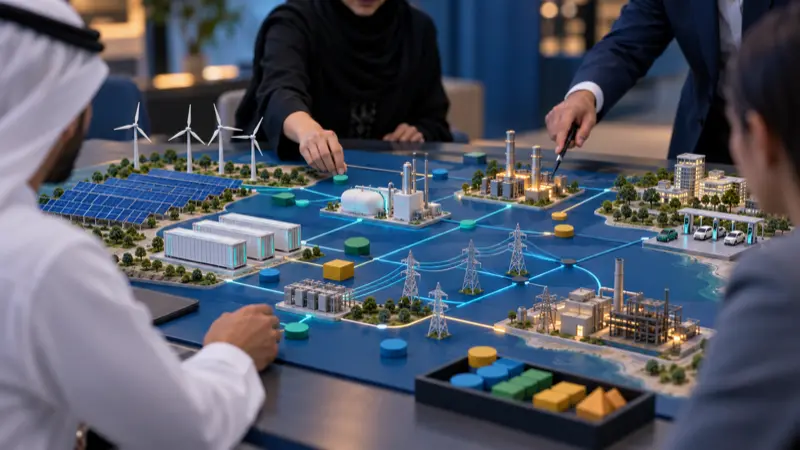
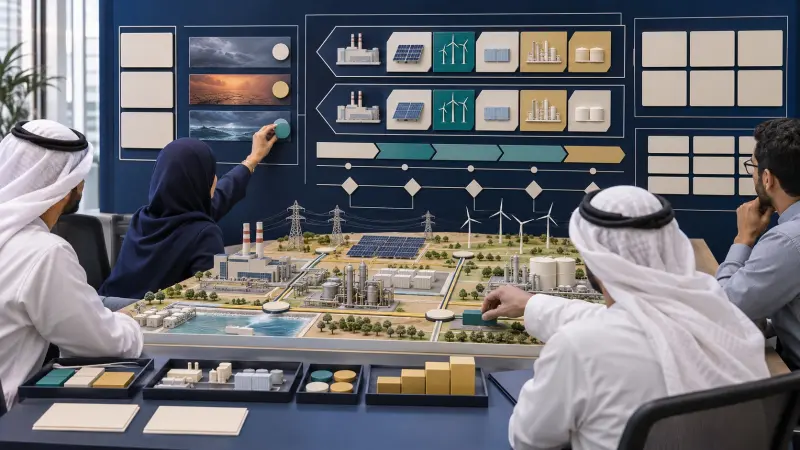
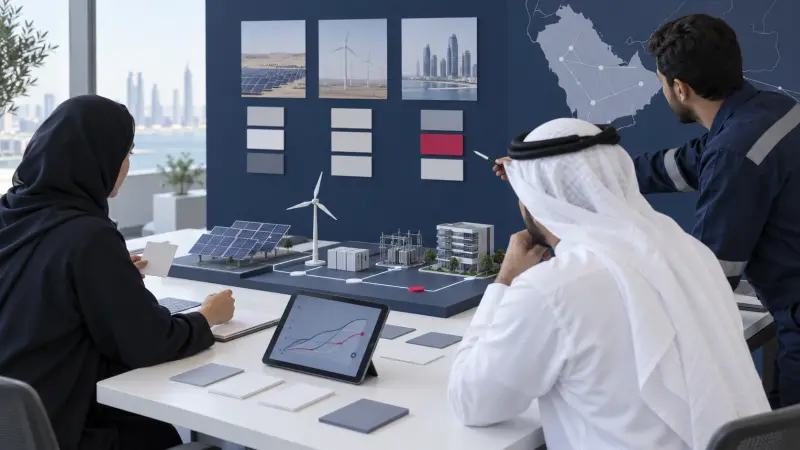
Transition Engineering Fundamentals Training Course is a one-week foundation course for engineers, infrastructure planners, energy professionals, sustainability teams, and public-sector technical specialists who leave with an Engineering Transition Plan. Participants apply an engineered-system stocktake, whole-system backcasting, shift-project concept screening, and an engineering transition pathway to essential activities in energy, transport, infrastructure, and industry. The course connects technical evidence with social, economic, environmental, and stakeholder conditions. Agile Leaders Training Center develops transition engineering fundamentals.
Who Should Attend
- Engineering functions responsible for existing systems, assets, and technical change
- Infrastructure functions responsible for long-term service continuity and investment choices
- Energy functions responsible for demand, supply, emissions, and system resilience
- Sustainability functions responsible for translating future objectives into feasible projects
- Public-sector technical functions responsible for evidence, scenarios, and transition pathways
The course assumes participants can interpret basic technical and operational evidence, and it leaves detailed energy modeling, project finance, climate science, and discipline-specific design calculations outside its scope.
Departments and Industries
The course supports departments and industries that must change engineered systems while maintaining essential services.
- Energy, utilities, and industrial operations
- Transport, logistics, and urban infrastructure
- Engineering, maintenance, and asset planning
- Environment, sustainability, and decarbonization
- Public works, policy analysis, and technical planning
Learning Objectives
By the end of this course, participants will be able to:
- Apply transition-engineering boundaries to an essential activity.
- Analyze historical, energy, resource, and emissions evidence.
- Use scenarios and backcasting to define future requirements.
- Diagnose demand, risk, constraint, and stakeholder conditions.
- Evaluate shift-project concepts through feasibility screening.
- Build an engineering transition pathway and plan.
Course Agenda
Day 1: Frame the Engineered System
- Essential Activity and Service Outcome Definition
- Engineered-System Boundary and Context Diagram
- Asset, Flow, and Dependency Stocktake
- Stakeholder Need and Influence Register
- Transition Engineering Problem Statement
Day 2: Analyze Change and Exposure
- Historical System Change Timeline
- Energy and Resource Flow Evidence Sheet
- Emissions Source and Exposure Profile
- Fossil-Fuel, Climate, and Infrastructure Risk Register
- Demand Pattern and Essential-Use Analysis
Day 3: Define Future System Requirements
- Future Essential-Service Condition Statement
- Long-Term Scenario Assumption Matrix
- Whole-System Backcasting Pathway Map
- Demand-Reduction Opportunity Hierarchy
- Resilience and Service-Continuity Requirements
Day 4: Generate and Screen Shift Concepts
- InTIME-Informed Shift-Project Concept Canvas
- Technical, Social, Economic, and Environmental Fit Grid
- Constraint and Unintended-Impact Screening Checklist
- Concept Feasibility and Evidence Scorecard
- Transition Milestone and Decision-Gate Roadmap
Day 5: Practice Transition Engineering
- Suggested Exercise: Complete an Engineered-System Stocktake
- Suggested Exercise: Build a Future Condition and Backcast
- Suggested Exercise: Generate a Demand-Reduction Shift Concept
- Suggested Exercise: Screen Feasibility and Sequence Milestones
- Capstone Exercise: Complete an Engineering Transition Plan
Practical Exercises
The course uses suggested activities based on transport access, industrial heat, public-building energy, and utility-service cases.
- Suggested activity: define an essential activity, draw its system boundary, and record assets, flows, dependencies, and stakeholders.
- Suggested activity: compare historical change with current energy, resource, emissions, demand, and risk evidence.
- Suggested activity: define a future service condition and work backward to identify requirements, decisions, and milestones.
- Suggested activity: generate and screen a shift-project concept against feasibility, constraints, impacts, and service continuity.
FAQs
Who suits transition engineering fundamentals training, and what does it assume?
Transition engineering fundamentals training suits engineers, infrastructure planners, energy professionals, sustainability teams, and public-sector technical specialists. It assumes familiarity with basic technical, operational, or planning evidence.
How does transition engineering differ from general sustainability training?
Transition engineering uses engineering stocktakes, system boundaries, risk evidence, backcasting, concept screening, and transition pathways for existing systems. General sustainability training usually addresses broader environmental, social, and organizational principles.
What is whole-system backcasting in transition engineering?
Whole-system backcasting defines a future service condition, then works backward to identify system requirements, demand changes, concepts, milestones, and present decisions. It complements forecasting rather than predicting one certain future.
What is a shift-project concept in transition engineering?
A shift-project concept is a proposed intervention that changes how an essential activity is delivered within its technical and stakeholder context. The course screens concepts before treating them as feasible projects.
Why does transition engineering analyze demand reduction?
Transition engineering analyzes demand reduction because essential services can sometimes be maintained with less energy, material, travel, or infrastructure exposure. The analysis distinguishes service needs from inherited consumption patterns.
Conclusion
Participants take back an Engineering Transition Plan. It combines the essential activity, system boundary, stocktake, historical and current evidence, future condition, backcast, demand opportunities, risk register, shift concept, feasibility score, milestones, and decision gates. The plan changes a broad transition ambition into a traceable engineering pathway for further analysis and project development.
credits: 5 credit per day
Course Mode: full-time
Provider: Agile Leaders Training Center
-
Events for this Course
-
Bali 8 – 12 November 2026
-
Athens 16 – 20 November 2026
-
Zoom 23 – 27 November 2026
-
Bangkok 29 November – 3 December 2026
-
Prague 7 – 11 December 2026
-
Berlin 7 – 11 December 2026
-
Zanzibar 13 – 17 December 2026
-
Milan 21 – 25 December 2026
-
Paris 28 December 2026 – 1 January 2027
-
Istanbul 4 – 8 January 2027
-
Nice 25 – 29 January 2027
-
Dubai 1 – 5 February 2027
-
Amman 7 – 11 February 2027
-
Johannesburg 14 – 18 February 2027
-
Madrid 22 – 26 February 2027
-
New York 1 – 5 March 2027
-
Phuket 7 – 11 March 2027
-
Frankfurt 8 – 12 March 2027
-
Montreux 15 – 19 March 2027
-
Lisbon 22 – 26 March 2027
-
Langkawi 28 March – 1 April 2027
-
Manama 4 – 8 April 2027
-
Chicago 11 – 15 April 2027
-
Muscat 18 – 22 April 2027
-
Lagos 25 – 29 April 2027
-
Cairo 26 – 30 April 2027
-
Marbella 2 – 6 May 2027
-
Addis Ababa 10 – 14 May 2027
-
Tashkent 16 – 20 May 2027
-
Vienna 24 – 28 May 2027
-
Casablanca 31 May – 4 June 2027
-
Kuwait 6 – 10 June 2027
-
Abu Dhabi 7 – 11 June 2027
-
Seoul 14 – 18 June 2027
-
Jakarta 21 – 25 June 2027
-
Barcelona 28 June – 2 July 2027
-
San Diego 5 – 9 July 2027
-
Geneva 11 – 15 July 2027
-
Rome 19 – 23 July 2027
-
Dubai 26 – 30 July 2027
-
Doha 1 – 5 August 2027
-
London 9 – 13 August 2027
-
Trabzon 15 – 19 August 2027
-
Munich 23 – 27 August 2027
-
Accra 29 August – 2 September 2027
-
Cape town 5 – 9 September 2027
-
Sharm El-Sheikh 13 – 17 September 2027
-
Baku 27 September – 1 October 2027
-
Singapore 27 September – 1 October 2027
-
London 4 – 8 October 2027
-
Toronto 10 – 14 October 2027
-
Tbilisi 11 – 15 October 2027
-
Kuala Lumpur 18 – 22 October 2027
-
Amsterdam 25 – 29 October 2027
-
Abu Dhabi 25 – 29 October 2027
-
Nairobi 31 October – 4 November 2027
-
Porto 1 – 5 November 2027
-
Tokyo 8 – 12 November 2027
| Image | Location | Dates | Duration | Mode | Price | Actions |
|---|---|---|---|---|---|---|

|
Bali |
Week 45, 2026 8 – 12 November 2026 |
1 Week | Onsite | €6,500 | |

|
Athens |
Week 47, 2026 16 – 20 November 2026 |
1 Week | Onsite | €7,500 | |

|
Zoom |
Week 48, 2026 23 – 27 November 2026 |
1 Week | Online | €3,000 | |

|
Bangkok |
Week 48, 2026 29 November – 3 December 2026 |
1 Week | Onsite | €8,000 | |

|
Prague |
Week 50, 2026 7 – 11 December 2026 |
1 Week | Onsite | €7,500 | |

|
Berlin |
Week 50, 2026 7 – 11 December 2026 |
1 Week | Onsite | €6,500 | |

|
Zanzibar |
Week 50, 2026 13 – 17 December 2026 |
1 Week | Onsite | €6,000 | |

|
Milan |
Week 52, 2026 21 – 25 December 2026 |
1 Week | Onsite | €7,000 | |

|
Paris |
Week 53, 2026 28 December 2026 – 1 January 2027 |
1 Week | Onsite | €6,500 | |

|
Istanbul |
Week 01, 2027 4 – 8 January 2027 |
1 Week | Onsite | €6,000 | |

|
Nice |
Week 04, 2027 25 – 29 January 2027 |
1 Week | Onsite | €8,000 | |

|
Dubai |
Week 05, 2027 1 – 5 February 2027 |
1 Week | Onsite | €6,500 | |

|
Amman |
Week 05, 2027 7 – 11 February 2027 |
1 Week | Onsite | €6,000 | |

|
Johannesburg |
Week 06, 2027 14 – 18 February 2027 |
1 Week | Onsite | €6,000 | |

|
Madrid |
Week 08, 2027 22 – 26 February 2027 |
1 Week | Onsite | €6,500 | |

|
New York |
Week 09, 2027 1 – 5 March 2027 |
1 Week | Onsite | €16,000 | |

|
Phuket |
Week 09, 2027 7 – 11 March 2027 |
1 Week | Onsite | €8,000 | |

|
Frankfurt |
Week 10, 2027 8 – 12 March 2027 |
1 Week | Onsite | €6,500 | |

|
Montreux |
Week 11, 2027 15 – 19 March 2027 |
1 Week | Onsite | €8,000 | |

|
Lisbon |
Week 12, 2027 22 – 26 March 2027 |
1 Week | Onsite | €6,500 |
Frequently asked questions
What does this course cover?
OverviewTransition Engineering Fundamentals Training Course is a one-week foundation course for engineers, infrastructure planners, energy professionals, sustainability teams, and public-sector technical specialists who leave with an Engineering Transition Plan. Participants apply an engineered-system stocktake, whole-system backcasting, shift-project con…
Are training dates available?
Yes. Available dates and destinations are listed in the course dates section on this page.
How can I register?
Choose an available date on this page and complete the registration form, or send a programme enquiry.
Can I download the course brochure?
Yes. Use the brochure download link provided on this page.
This course by city
- Oil & Gas Training and Other Technical Courses in Abu Dhabi
- Oil & Gas Training and Other Technical Courses in Accra
- Oil & Gas Training and Other Technical Courses in Addis Ababa
- Oil & Gas Training and Other Technical Courses in Amman
- Oil & Gas Training and Other Technical Courses in Amsterdam
- Oil & Gas Training and Other Technical Courses in Athens
- Oil & Gas Training and Other Technical Courses in Baku
- Oil & Gas Training and Other Technical Courses in Bali
- Oil & Gas Training and Other Technical Courses in Bangkok
- Oil & Gas Training and Other Technical Courses in Barcelona
- Oil & Gas Training and Other Technical Courses in Berlin
- Oil & Gas Training and Other Technical Courses in Cairo
- Oil & Gas Training and Other Technical Courses in Cape town
- Oil & Gas Training and Other Technical Courses in Casablanca
- Oil & Gas Training and Other Technical Courses in Chicago
- Oil & Gas Training and Other Technical Courses in Doha
- Oil & Gas Training and Other Technical Courses in Dubai
- Oil & Gas Training and Other Technical Courses in Frankfurt
- Oil & Gas Training and Other Technical Courses in Geneva
- Oil & Gas Training and Other Technical Courses in Istanbul
- Oil & Gas Training and Other Technical Courses in Jakarta
- Oil & Gas Training and Other Technical Courses in Johannesburg
- Oil & Gas Training and Other Technical Courses in Kuala Lumpur
- Oil & Gas Training and Other Technical Courses in Kuwait
- Oil & Gas Training and Other Technical Courses in Lagos
- Oil & Gas Training and Other Technical Courses in Langkawi
- Oil & Gas Training and Other Technical Courses in Lisbon
- Oil & Gas Training and Other Technical Courses in London
- Oil & Gas Training and Other Technical Courses in Madrid
- Oil & Gas Training and Other Technical Courses in Manama
- Oil & Gas Training and Other Technical Courses in Marbella
- Oil & Gas Training and Other Technical Courses in Milan
- Oil & Gas Training and Other Technical Courses in Montreux
- Oil & Gas Training and Other Technical Courses in Munich
- Oil & Gas Training and Other Technical Courses in Muscat
- Oil & Gas Training and Other Technical Courses in Nairobi
- Oil & Gas Training and Other Technical Courses in New York
- Oil & Gas Training and Other Technical Courses in Nice
- Oil & Gas Training and Other Technical Courses in Paris
- Oil & Gas Training and Other Technical Courses in Phuket
- Oil & Gas Training and Other Technical Courses in Porto
- Oil & Gas Training and Other Technical Courses in Prague
- Oil & Gas Training and Other Technical Courses in Rome
- Oil & Gas Training and Other Technical Courses in San Diego
- Oil & Gas Training and Other Technical Courses in Seoul
- Oil & Gas Training and Other Technical Courses in Sharm El-Sheikh
- Oil & Gas Training and Other Technical Courses in Singapore
- Oil & Gas Training and Other Technical Courses in Tashkent
- Oil & Gas Training and Other Technical Courses in Tbilisi
- Oil & Gas Training and Other Technical Courses in Tokyo
- Oil & Gas Training and Other Technical Courses in Toronto
- Oil & Gas Training and Other Technical Courses in Trabzon
- Oil & Gas Training and Other Technical Courses in Vienna
- Oil & Gas Training and Other Technical Courses in Zanzibar
- Oil & Gas Training and Other Technical Courses in Zoom