Victimology and Justice: Global Perspectives Course

At a glance
- Duration
- 5 days
- Format
- Classroom
- Cities
- Vienna, Nice, Abu Dhabi, Dubai, Zanzibar, London and more
- Next session
- 5 – 9 October 2026, Vienna
- Average fee
- 5,800 €
Course Overview
The course is a specialized training program that provides professionals with essential tools and frameworks to understand, analyze, and respond to various forms of victimization. Based on the UN Declaration of Basic Principles of Justice for Victims of Crime and Abuse of Power and guided by key resources such as Victimology: The Essentials, Justice for Victims, and The Handbook of Restorative Justice, this course connects theory with practical applications.
Target Audience
- Victim advocates and case managers
- Social workers and trauma counselors
- Human rights lawyers and legal advisors
- NGO coordinators and field officers
- Policy makers and transitional justice researchers
Targeted Organizational Departments
- Legal and Justice Affairs
- Victim Services and Survivor Support Units
- Human Rights and Advocacy Programs
- Gender-Based Violence and Child Protection Units
- Crisis Response, Rehabilitation, and Transitional Justice Teams
Targeted Industries
- Human rights NGOs and civil society organizations
- Justice and correctional institutions
- International humanitarian and development agencies
- Health and psychological support sectors
- Educational institutions researching victimology
Course Offerings
By the end of this course, participants will be able to:
- Explain foundational concepts from victimology training courses
- Analyze various types of victimization using comparative frameworks
- Advocate for victims’ rights through trauma-informed services
- Develop case responses in cybercrime and workplace victimization
- Apply restorative justice for victims of intimate partner and sexual violence
- Understand police reporting procedures and victim restitution laws
- Build evidence-based victim support programs aligned with UN frameworks
Training Methodology
This course employs a blended, participatory methodology including:
- Case studies from Justice for Victims and UNAFEI Reports
- Interactive sessions simulating victim interviews and justice system responses
- Peer-group analysis of workplace, school, and cyber victimization scenarios
- Guided exploration of international victimology laws and ICRC humanitarian models
- Restorative justice simulations based on The Handbook of Restorative Justice
- Reflection and feedback sessions to solidify trauma-informed practices
Course Toolbox
- Victim Rights Advocacy Handbook (Ebook)
- Global Case Study Workbook (school, workplace, and cybercrime examples)
- UN Victims’ Rights Summary Sheets
- Interactive templates for Restorative Justice circles
- Psychological support referral guides
- Certificate of Completion in Trauma-Informed Victim Services
Course Agenda
Day 1: Foundations of Victimology and Global Standards
- Topic 1: Introduction to Victimology and Core Concepts
- Topic 2: Victimization Theories and Typologies of Victims
- Topic 3: The United Nations Declaration on Victims’ Rights
- Topic 4: Legal Definitions and Global Justice Norms
- Topic 5: Comparative Victimology: Understanding Global Contexts
- Topic 6: International Human Rights and Victim Support Frameworks
- Reflection & Review: Key Takeaways from International Legal Instruments
Day 2: Categories of Victimization and Trauma Response
- Topic 1: Domestic Violence and Intimate Partner Victimization
- Topic 2: Child Victims and School Violence Prevention
- Topic 3: Elder Abuse, Workplace Victimization, and Peer Bullying
- Topic 4: Sexual Violence and Rape Trauma-Informed Services
- Topic 5: Cybercrime, Online Abuse, and Digital Victim Support
- Topic 6: Homicide and Violent Crime Survivors
- Reflection & Review: Trauma-Informed Victim Services in Practice
Day 3: Legal Processes, Rights, and Advocacy
- Topic 1: Victim Participation in Criminal Trials
- Topic 2: Police Reporting Procedures and Challenges
- Topic 3: Restitution and Compensation Mechanisms for Victims
- Topic 4: The Role of Victim Advocates and Legal Counsel
- Topic 5: Restorative Justice Principles and Victim-Offender Mediation
- Topic 6: Evidence-Based Approaches to Victim Protection
- Reflection & Review: Building a Victim-Centered Legal System
Day 4: Program Development and Cross-Sector Collaboration
- Topic 1: Designing Victim Support and Assistance Programs
- Topic 2: Interagency Cooperation and Community-Based Services
- Topic 3: Integrating Victim Services in the Justice System
- Topic 4: Psychological First Aid and Long-Term Support
- Topic 5: Forensic Victimology Skills and Criminal Investigation Roles
- Topic 6: Victim Services for Marginalized and Vulnerable Populations
- Reflection & Review: Best Practices in Victim-Centered Program Design
Day 5: International Justice, Humanitarian Standards, and Case Studies
- Topic 1: UN Victim Assistance Models and Global Governance
- Topic 2: ICRC, Transitional Justice, and Post-Conflict Victim Support
- Topic 3: Justice for Victims of State Violence and War Crimes
- Topic 4: Truth Commissions and Reconciliation Mechanisms
- Topic 5: Victim Case Study Analysis from Africa, Asia, and Europe
- Topic 6: Evaluating Victim Assistance Impact and Reform Proposals
- Reflection & Review: Global Lessons and Advocacy for the Future
FAQ
What specific qualifications or prerequisites are needed for participants before enrolling in the course?
There are no strict prerequisites, but participants should have a background in law, social work, psychology, humanitarian work, or public policy.
How long is each day's session, and is there a total number of hours required for the entire course?
Each day's session lasts 4–5 hours. The course spans 5 days, totaling 20–25 hours.
What’s the difference between restorative justice and traditional victim services?
Traditional services often focus on compensation and punishment, while restorative justice emphasizes healing, reconciliation, and active victim participation in justice processes.
How This Course is Different from Other Victimology Courses
This course blends academic rigor with hands-on field practice, using key texts such as Victimology: The Essentials, Justice for Victims, and The Handbook of Restorative Justice. Unlike programs that are heavily theory-based, this course emphasizes practical tools, interactive simulations, and real case studies from humanitarian contexts.
It aims not only to inform but also to equip participants with tangible skills in crime victim support training, trauma-informed advocacy, and policy development. With a special focus on international comparative frameworks, including UN and ICRC guidelines, this program prepares professionals to work across borders and in transitional justice settings.
Participants gain exposure to restorative justice models, psychological support systems, and digital victimization prevention—making this course globally relevant, impact-driven, and survivor-centered.
credits: 5 credit per day
Course Mode: full-time
Provider: Agile Leaders Training Center
-
Events for this Course
-
Vienna 5 – 9 October 2026
-
Nice 12 – 16 October 2026
-
Abu Dhabi 19 – 23 October 2026
-
Zoom 26 – 30 October 2026
-
Dubai 2 – 6 November 2026
-
Zanzibar 8 – 12 November 2026
-
London 9 – 13 November 2026
-
Toronto 15 – 19 November 2026
-
Chicago 29 November – 3 December 2026
-
Accra 6 – 10 December 2026
-
New York 7 – 11 December 2026
-
Abu Dhabi 14 – 18 December 2026
-
Cape town 20 – 24 December 2026
-
Casablanca 28 December 2026 – 1 January 2027
-
Kuwait 3 – 7 January 2027
-
Madrid 4 – 8 January 2027
-
Johannesburg 10 – 14 January 2027
-
London 18 – 22 January 2027
-
Amsterdam 18 – 22 January 2027
-
Amman 24 – 28 January 2027
-
Seoul 25 – 29 January 2027
-
Cairo 1 – 5 February 2027
-
Milan 1 – 5 February 2027
-
Dubai 8 – 12 February 2027
-
Barcelona 8 – 12 February 2027
-
Al Jubail 14 – 18 February 2027
-
Doha 21 – 25 February 2027
-
Manama 28 February – 4 March 2027
-
Tbilisi 8 – 12 March 2027
-
Athens 8 – 12 March 2027
-
Vienna 15 – 19 March 2027
-
Singapore 15 – 19 March 2027
-
Paris 22 – 26 March 2027
-
Baku 22 – 26 March 2027
-
London 29 March – 2 April 2027
-
Madrid 29 March – 2 April 2027
-
Trabzon 4 – 8 April 2027
-
Dubai 5 – 9 April 2027
-
Tokyo 12 – 16 April 2027
-
San Diego 19 – 23 April 2027
-
Langkawi 25 – 29 April 2027
-
Frankfurt 26 – 30 April 2027
-
Manama 2 – 6 May 2027
-
Istanbul 3 – 7 May 2027
-
Geneva 9 – 13 May 2027
-
Marbella 9 – 13 May 2027
-
Kuala Lumpur 17 – 21 May 2027
-
Amsterdam 17 – 21 May 2027
-
Lisbon 24 – 28 May 2027
-
Bangkok 30 May – 3 June 2027
-
Montreux 31 May – 4 June 2027
-
Sharm El-Sheikh 7 – 11 June 2027
-
Milan 14 – 18 June 2027
-
Abu Dhabi 14 – 18 June 2027
-
Riyadh 20 – 24 June 2027
-
Barcelona 21 – 25 June 2027
-
London 28 June – 2 July 2027
-
Jakarta 28 June – 2 July 2027
-
Cairo 5 – 9 July 2027
-
Istanbul 12 – 16 July 2027
-
Berlin 12 – 16 July 2027
-
Nairobi 18 – 22 July 2027
-
Rome 19 – 23 July 2027
-
Muscat 25 – 29 July 2027
-
Amsterdam 26 – 30 July 2027
-
Paris 2 – 6 August 2027
-
Dubai 9 – 13 August 2027
-
Abu Dhabi 9 – 13 August 2027
-
Bali 15 – 19 August 2027
-
Porto 23 – 27 August 2027
-
Kuala Lumpur 30 August – 3 September 2027
-
Phuket 12 – 16 September 2027
-
Munich 13 – 17 September 2027
-
Tashkent 19 – 23 September 2027
-
Rome 27 September – 1 October 2027
-
Prague 4 – 8 October 2027
| Image | Location | Dates | Duration | Mode | Price | Actions |
|---|---|---|---|---|---|---|

|
Vienna |
Week 41, 2026 5 – 9 October 2026 |
5 Days | Onsite | €5,700 | |

|
Nice |
Week 42, 2026 12 – 16 October 2026 |
5 Days | Onsite | €5,700 | |

|
Abu Dhabi |
Week 43, 2026 19 – 23 October 2026 |
5 Days | Onsite | €4,700 | |

|
Zoom |
Week 44, 2026 26 – 30 October 2026 |
5 Days | Online | €1,500 | |

|
Dubai |
Week 45, 2026 2 – 6 November 2026 |
5 Days | Onsite | €4,500 | |
|
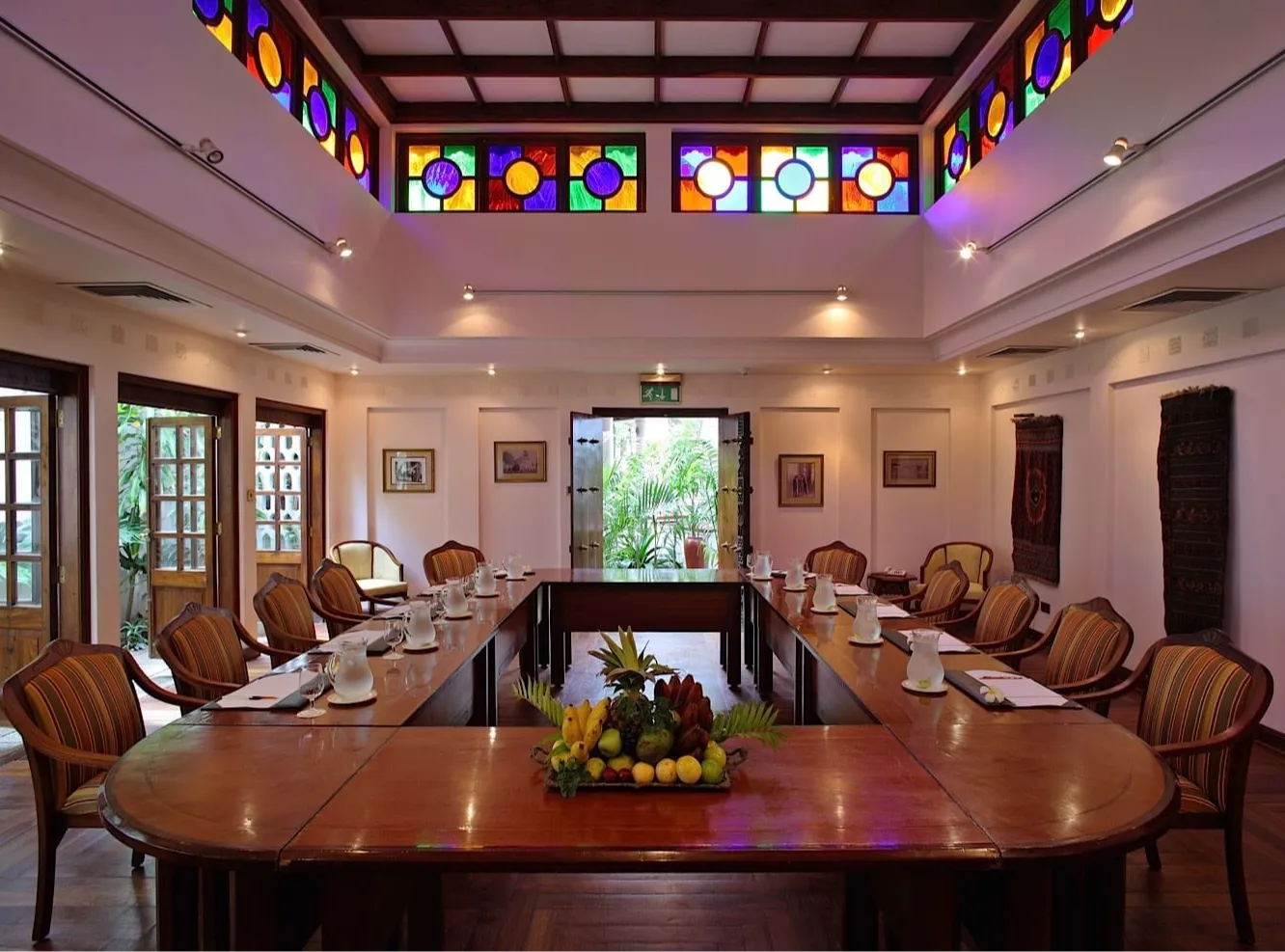
Zanzibar |
Week 45, 2026 8 – 12 November 2026 |
5 Days | Onsite | €5,500 | |

|
London |
Week 46, 2026 9 – 13 November 2026 |
5 Days | Onsite | €5,700 | |

|
Toronto |
Week 46, 2026 15 – 19 November 2026 |
5 Days | Onsite | €12,000 | |

|
Chicago |
Week 48, 2026 29 November – 3 December 2026 |
5 Days | Onsite | €12,000 | |

|
Accra |
Week 49, 2026 6 – 10 December 2026 |
5 Days | Onsite | €4,100 | |

|
New York |
Week 50, 2026 7 – 11 December 2026 |
5 Days | Onsite | €12,000 | |
|
|
Abu Dhabi |
Week 51, 2026 14 – 18 December 2026 |
5 Days | Onsite | €4,700 | |

|
Cape town |
Week 51, 2026 20 – 24 December 2026 |
5 Days | Onsite | €4,500 | |

|
Casablanca |
Week 53, 2026 28 December 2026 – 1 January 2027 |
5 Days | Onsite | €4,100 | |

|
Kuwait |
Week 53, 2027 3 – 7 January 2027 |
5 Days | Onsite | €5,500 | |

|
Madrid |
Week 01, 2027 4 – 8 January 2027 |
5 Days | Onsite | €5,700 | |

|
Johannesburg |
Week 01, 2027 10 – 14 January 2027 |
5 Days | Onsite | €4,500 | |
|
|
London |
Week 03, 2027 18 – 22 January 2027 |
5 Days | Onsite | €5,700 | |

|
Amsterdam |
Week 03, 2027 18 – 22 January 2027 |
5 Days | Onsite | €5,700 | |

|
Amman |
Week 03, 2027 24 – 28 January 2027 |
5 Days | Onsite | €4,100 |
Frequently asked questions
Are training dates available?
Yes. Available dates and destinations are listed in the course dates section on this page.
How can I register?
Choose an available date on this page and complete the registration form, or send a programme enquiry.
Can I download the course brochure?
Yes. Use the brochure download link provided on this page.
This course by city
- Communication and Public Relations Training Courses in Abu Dhabi
- Communication and Public Relations Training Courses in Accra
- Communication and Public Relations Training Courses in Al Jubail
- Communication and Public Relations Training Courses in Amman
- Communication and Public Relations Training Courses in Amsterdam
- Communication and Public Relations Training Courses in Athens
- Communication and Public Relations Training Courses in Baku
- Communication and Public Relations Training Courses in Bali
- Communication and Public Relations Training Courses in Bangkok
- Communication and Public Relations Training Courses in Barcelona
- Communication and Public Relations Training Courses in Berlin
- Communication and Public Relations Training Courses in Cairo
- Communication and Public Relations Training Courses in Cape town
- Communication and Public Relations Training Courses in Casablanca
- Communication and Public Relations Training Courses in Chicago
- Communication and Public Relations Training Courses in Doha
- Communication and Public Relations Training Courses in Dubai
- Communication and Public Relations Training Courses in Frankfurt
- Communication and Public Relations Training Courses in Geneva
- Communication and Public Relations Training Courses in Istanbul
- Communication and Public Relations Training Courses in Jakarta
- Communication and Public Relations Training Courses in Johannesburg
- Communication and Public Relations Training Courses in Kuala Lumpur
- Communication and Public Relations Training Courses in Kuwait
- Communication and Public Relations Training Courses in Langkawi
- Communication and Public Relations Training Courses in Lisbon
- Communication and Public Relations Training Courses in London
- Communication and Public Relations Training Courses in Madrid
- Communication and Public Relations Training Courses in Manama
- Communication and Public Relations Training Courses in Marbella
- Communication and Public Relations Training Courses in Milan
- Communication and Public Relations Training Courses in Montreux
- Communication and Public Relations Training Courses in Munich
- Communication and Public Relations Training Courses in Muscat
- Communication and Public Relations Training Courses in Nairobi
- Communication and Public Relations Training Courses in New York
- Communication and Public Relations Training Courses in Nice
- Communication and Public Relations Training Courses in Paris
- Communication and Public Relations Training Courses in Phuket
- Communication and Public Relations Training Courses in Porto
- Communication and Public Relations Training Courses in Prague
- Communication and Public Relations Training Courses in Riyadh
- Communication and Public Relations Training Courses in Rome
- Communication and Public Relations Training Courses in San Diego
- Communication and Public Relations Training Courses in Seoul
- Communication and Public Relations Training Courses in Sharm El-Sheikh
- Communication and Public Relations Training Courses in Singapore
- Communication and Public Relations Training Courses in Tashkent
- Communication and Public Relations Training Courses in Tbilisi
- Communication and Public Relations Training Courses in Tokyo
- Communication and Public Relations Training Courses in Toronto
- Communication and Public Relations Training Courses in Trabzon
- Communication and Public Relations Training Courses in Vienna
- Communication and Public Relations Training Courses in Zanzibar
- Communication and Public Relations Training Courses in Zoom