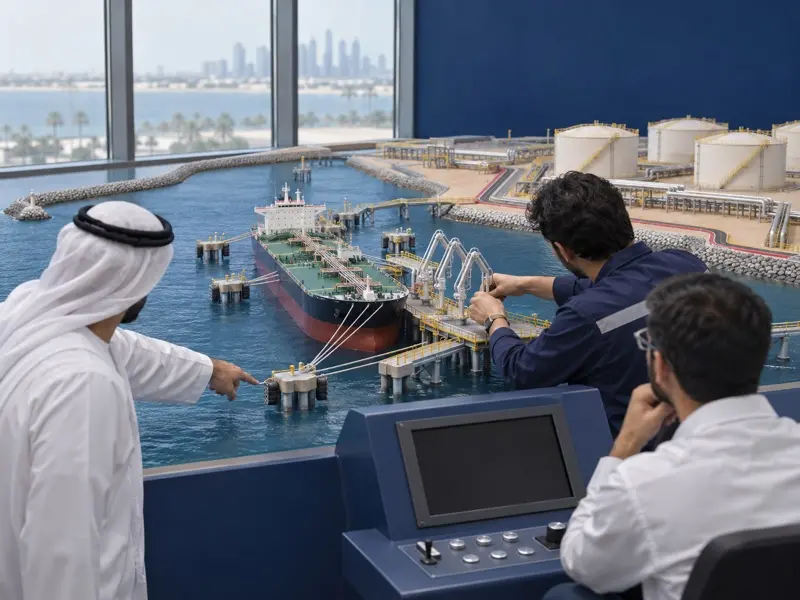
Coastal Engineering and Shore Protection Structures Training Course

Course Details
-
# 2166_258551
-
8 – 12 March 2027 12.Mar.2027
-
Dubai
-
6500 €
Overview
Coastal Engineering and Shore Protection Structures Training Course is a one-week professional course for coastal engineers, marine infrastructure teams, shoreline planners and asset owners, who leave with a Shore Protection Basis-of-Design File. The course connects coastal processes, wave transformation analysis, sediment transport assessment, shoreline change diagnosis and shore protection structure selection through traceable engineering decisions. Agile Leaders Training Center presents coastal engineering and shore protection practice.
Who Should Attend
- Engineering teams responsible for coastal process analysis and design inputs
- Infrastructure teams responsible for shoreline assets and protection works
- Planning teams responsible for erosion evidence and intervention options
- Consulting teams responsible for feasibility studies and preliminary designs
- Project teams responsible for scope, risk and constructability decisions
- Asset teams responsible for inspection, performance and maintenance priorities
The course assumes participants work with civil, marine or coastal projects; it leaves out detailed numerical modeling, final structural calculations, environmental permitting and port terminal design.
Departments and Industries
The course supports engineering decisions across coastal infrastructure, transport, utilities and shoreline development.
- Coastal and civil engineering departments
- Marine infrastructure and waterfront development teams
- Transport corridor and utility asset organizations
- Consulting and project delivery services
- Municipal shoreline and public works functions
- Resort, industrial and offshore support developments
Learning Objectives
By the end of this course, participants will be able to:
- Analyze waves, water levels and coastal process evidence.
- Diagnose erosion and shoreline change mechanisms.
- Compare structural, nourishment and combined protection measures.
- Apply preliminary design methods to coastal structures.
- Evaluate performance, impacts and failure modes.
- Build a shore protection basis-of-design file.
Course Agenda
Day 1: Define the Coastal System
- Coastal Site Data and Survey Register
- Wave Climate Characterization Method
- Water Level and Storm Condition Envelope
- Wave Transformation and Breaking Diagram
- Coastal Process Conceptual Model
Day 2: Diagnose Erosion and Sediment Movement
- Shoreline Change Rate Analysis Sheet
- Longshore Sediment Transport Concept Map
- Cross-Shore Profile Response Assessment
- Erosion Cause and Evidence Matrix
- Littoral Cell and Downdrift Impact Map
Day 3: Select Shore Protection Measures
- Coastal Risk and Performance Criteria Register
- Seawall and Revetment Application Decision Table
- Groin and Breakwater Screening Matrix
- Beach Nourishment Compatibility Assessment
- Combined Protection Alternative Evaluation Model
Day 4: Develop Preliminary Designs
- Armor Unit and Layer Configuration Worksheet
- Wave Runup and Overtopping Assessment Method
- Toe, Crest and Filter Detail Checklist
- Structure Stability and Failure Mode Review
- Inspection and Maintenance Planning Template
Day 5: Practice Shore Protection Design
- Exercise: Interpret a Coastal Site Data Set
- Exercise: Diagnose a Shoreline Erosion Mechanism
- Exercise: Compare Protection Alternatives and Impacts
- Exercise: Review a Preliminary Structure Configuration
- Capstone Exercise: Complete the Shore Protection Basis-of-Design File
Practical Exercises
The course uses suggested activities based on urban waterfront, transport corridor and recreational beach cases.
- Suggested activity: organize wave, water-level, profile and shoreline-change evidence into a site model.
- Suggested activity: trace erosion drivers and potential downdrift consequences within a littoral cell.
- Suggested activity: compare seawall, revetment, groin, breakwater and nourishment alternatives against performance criteria.
- Suggested activity: prepare preliminary details, failure checks and maintenance priorities for a selected measure.
FAQs
Who suits coastal engineering training, and what does it assume?
Coastal engineering training suits civil and coastal engineers, infrastructure teams, planners, consultants, project managers and asset owners. It assumes work with engineering evidence or shoreline projects and does not teach final structural design or detailed numerical modeling.
How does shore protection engineering differ from coastal zone management training?
Shore protection engineering focuses on physical processes, erosion mechanisms, measure selection, preliminary structure design and asset performance. Coastal zone management training focuses more broadly on policy, land use, stakeholders, governance and environmental planning.
How are shore protection structures selected for coastal erosion control?
Shore protection structures are selected by comparing site processes, erosion causes, exposure, performance criteria, sediment effects, constructability, maintenance needs and possible impacts on adjacent shoreline reaches.
Why must sediment transport be considered in coastal engineering?
Sediment transport connects waves and currents to shoreline change. A structure that interrupts longshore or cross-shore movement can create deposition locally while increasing erosion elsewhere, so system effects must be assessed.
What supports preliminary design of seawalls, revetments and breakwaters?
Preliminary design uses wave and water-level conditions, geometry, materials, armor configuration, runup, overtopping, toe and filter details, stability checks, constructability and inspection requirements.
Conclusion
Participants take back a Shore Protection Basis-of-Design File linking site evidence, coastal processes, erosion diagnosis, alternatives, preliminary details and lifecycle controls. The file improves traceability from shoreline observations to engineering choices. It also supports coordination among designers, planners, project teams, contractors and asset owners.
Maintenance Training and Engineering Training Courses
Coastal Engineering and Shore Protection Course (2166_258551)
Course Details
# 2166_258551
8 – 12 March 2027
Dubai
Fees : 6500 €