Python Data Science & Machine Learning Fundamentals

Course Details
-
# 103600538_72834
-
21 – 25 December 2026 25.Dec.2026
-
Dubai
-
4500 €
Course Overview:
The Python Data Science: Analysis, Modeling & Machine Learning course is a comprehensive data science with Python training program designed to help professionals build practical, job-ready skills in data analytics and machine learning. This course combines Python for data analysis, Python machine learning course concepts, and applied machine learning Python techniques to enable participants to transform raw data into actionable insights.
Participants will develop hands-on expertise in data cleaning with Python, data visualization with Python, and statistical modeling with Python, allowing them to solve real business problems across industries. The course also focuses on Python for business analytics and Python for predictive modeling, helping organizations improve decision-making through data-driven strategies.
Throughout the program, learners will explore feature engineering Python techniques, model evaluation techniques, and AI and machine learning training applications to build reliable and scalable models. The course also introduces Python for big data analysis, ensuring participants can work with large datasets efficiently. By the end of the training, participants will be capable of designing, building, and evaluating end-to-end machine learning solutions aligned with business objectives.
Target Audience:
- Data Analysts
- Business Intelligence Analysts
- Financial Analysts
- IT Professionals and Developers
- Engineers (Industrial, Process, IT)
- Operations Managers
- Digital Transformation Specialists
- Entry to Mid-level professionals transitioning into data science
Targeted Organizational Departments:
- Data and Analytics teams focusing on Python for data analysis and data cleaning with Python
- IT and Digital Transformation teams working on AI and machine learning training initiatives
- Finance and Risk departments using statistical modeling with Python and Python for predictive modeling
- Operations and Strategy teams applying Python for business analytics and model evaluation techniques
- Marketing and Customer Insights teams using data visualization with Python and feature engineering Python
- Innovation and R&D teams exploring applied machine learning Python and Python for big data analysis
Targeted Industries:
- Oil and Gas for predictive maintenance and operational analytics
- Banking and Financial Services for risk modeling and fraud detection
- Healthcare for predictive analytics and patient data insights
- Government and Public Sector for data-driven decision-making
- Retail and E-commerce for customer behavior analytics
- Telecommunications for churn prediction and optimization
Course Offerings:
By the end of this course, participants will be able to:
- Apply Python for data analysis to clean and structure datasets
- Perform data cleaning with Python to handle missing and inconsistent data
- Build predictive models using machine learning with Python training techniques
- Create insights using data visualization with Python
- Apply statistical modeling with Python for business decision-making
- Implement feature engineering Python techniques to improve model performance
- Use model evaluation techniques to validate and optimize models
- Apply Python for business analytics in real-world scenarios
- Develop forecasting solutions using Python for predictive modeling
- Design complete workflows using applied machine learning Python
- Work with large datasets using Python for big data analysis
Training Methodology:
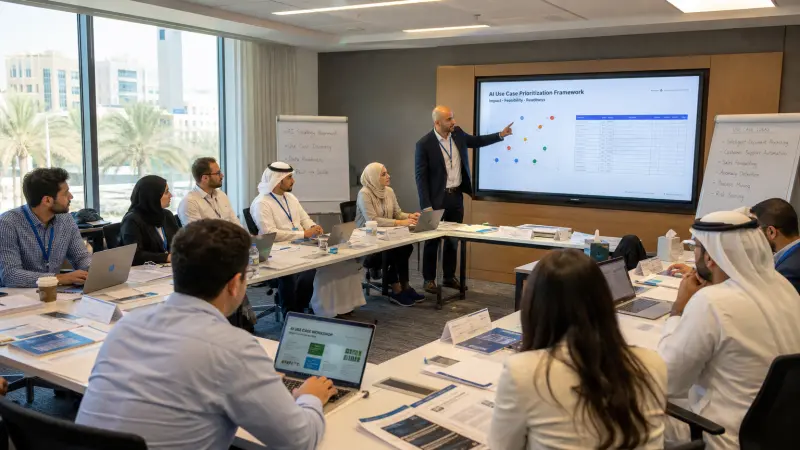
This Python data science training course follows a highly practical and interactive approach designed for corporate environments. The methodology is based on hands-on learning, where participants actively apply Python for data analytics course concepts through real-world business scenarios.
Each session combines guided instruction with live coding exercises, allowing participants to practice data cleaning with Python, data visualization with Python, and feature engineering Python techniques. Group activities and case-based discussions are used to simulate real organizational challenges, enabling participants to apply machine learning with Python training concepts in a collaborative setting.
Participants will also work on end-to-end use cases that integrate statistical modeling with Python, model evaluation techniques, and applied machine learning Python workflows. Continuous feedback sessions ensure that learners can improve their approach and align their solutions with business needs.
The training emphasizes measurable outcomes by focusing on practical implementation, ensuring that participants can directly apply Python for business analytics and predictive modeling techniques in their workplace.
Course Toolbox:
- Python development environment (Jupyter-based workflow)
- Pandas and NumPy for Python for data analysis
- Visualization libraries for data visualization with Python
- Machine learning libraries for machine learning with Python training
- Pre-designed datasets for business analytics scenarios
- Templates for model evaluation techniques
- Feature engineering Python frameworks
- Predictive modeling workflows
- Case-based analytics exercises
Note: tools are not physically provided; participants receive practical insights and guided examples on how to use them effectively.
Course Agenda:
Day 1: Foundations of Python Data Analysis & Business Analytics
- Topic 1: Introduction to Python for data analysis and data science with Python training
- Topic 2: Python fundamentals for data analytics (data types, structures, and workflows)
- Topic 3: Data cleaning with Python: handling missing, duplicate, and inconsistent data
- Topic 4: Exploratory data analysis techniques for Python for data analytics course
- Topic 5: Data visualization with Python for business reporting and insights
- Topic 6: Python for business analytics: turning data into decision-making insights
- Reflection & Review: Review core concepts of Python for data analysis and their application in business scenarios
Day 2: Data Preparation, Transformation & Feature Engineering
- Topic 1: Advanced data cleaning with Python and data preprocessing pipelines
- Topic 2: Data transformation and normalization for machine learning with Python training
- Topic 3: Feature engineering Python techniques for improving predictive modeling
- Topic 4: Working with structured and unstructured data in Python for big data analysis
- Topic 5: Statistical modeling with Python: descriptive and inferential analytics
- Topic 6: Preparing datasets for Python machine learning course applications
- Reflection & Review: Evaluate data quality and feature engineering strategies for business datasets
Day 3: Machine Learning Fundamentals & Applied Modeling
- Topic 1: Introduction to machine learning with Python training and model lifecycle
- Topic 2: Supervised learning: regression models for predictive analytics
- Topic 3: Supervised learning: classification models for business decision-making
- Topic 4: Unsupervised learning: clustering and segmentation techniques
- Topic 5: Applied machine learning Python workflows for real-world scenarios
- Topic 6: Python for predictive modeling: forecasting trends and outcomes
- Reflection & Review: Analyze how machine learning models support business analytics and predictions
Day 4: Model Evaluation, Optimization & AI Applications
- Topic 1: Model evaluation techniques: accuracy, precision, recall, and performance metrics
- Topic 2: Cross-validation, model validation, and reliability assessment
- Topic 3: Overfitting and underfitting: detection and correction strategies
- Topic 4: Hyperparameter tuning and optimization in machine learning with Python training
- Topic 5: Advanced statistical modeling with Python for deeper insights
- Topic 6: AI and machine learning training applications in enterprise environments
- Reflection & Review: Improve model performance using model evaluation techniques and optimization strategies
Day 5: Advanced Analytics, Deployment & Business Integration
- Topic 1: Python for big data analysis and scalable data processing concepts
- Topic 2: End-to-end machine learning project using applied machine learning Python
- Topic 3: Model deployment fundamentals and integration into business systems
- Topic 4: Python for business analytics: building data-driven decision frameworks
- Topic 5: Automation and AI-driven insights for operational efficiency
- Topic 6: Final capstone project presentation and evaluation
- Reflection & Review: Integrating Python data science solutions into organizational strategy and performance improvement
FAQ:
What specific qualifications or prerequisites are needed for participants before enrolling in the course?
Participants are expected to have basic familiarity with data concepts or Excel-based analysis. Prior programming experience is helpful but not required, as the course starts with Python for data analysis fundamentals and gradually advances into machine learning with Python training and statistical modeling with Python.
How long is each day's session, and is there a total number of hours required for the entire course?
Each day's session is generally structured to last around 4–5 hours, with breaks and interactive activities included. The total course duration spans one week, approximately 20–25 hours of instruction.
How can participants ensure their models deliver accurate business insights?
Participants will learn how to apply model evaluation techniques, validation strategies, and feature engineering Python methods to improve accuracy and ensure models align with business objectives and real-world data conditions.
How This Course is Different from Other Python Data Science Courses:
This Python Data Science: Analysis, Modeling & Machine Learning course is designed specifically for corporate environments, focusing on practical implementation rather than theoretical concepts. It integrates Python for data analysis, machine learning with Python training, and Python for business analytics into a unified learning journey.
Unlike traditional programs, this course emphasizes data cleaning with Python, feature engineering Python, and model evaluation techniques, which are critical for delivering measurable business outcomes. Participants work on real-world scenarios that reflect organizational challenges, ensuring immediate applicability.
The course also bridges the gap between analytics and decision-making by combining statistical modeling with Python, Python for predictive modeling, and applied machine learning Python workflows. This ensures participants can not only build models but also translate insights into strategic actions.
Overall, the program delivers a results-driven approach that enables organizations to leverage data science effectively for performance improvement and competitive advantage.
IT Security Training & IT Training Courses
Python Data Science: Analysis, Modeling & Machine Learning (103600538_72834)
Course Details
# 103600538_72834
21 – 25 December 2026
Dubai
Fees : 4500 €