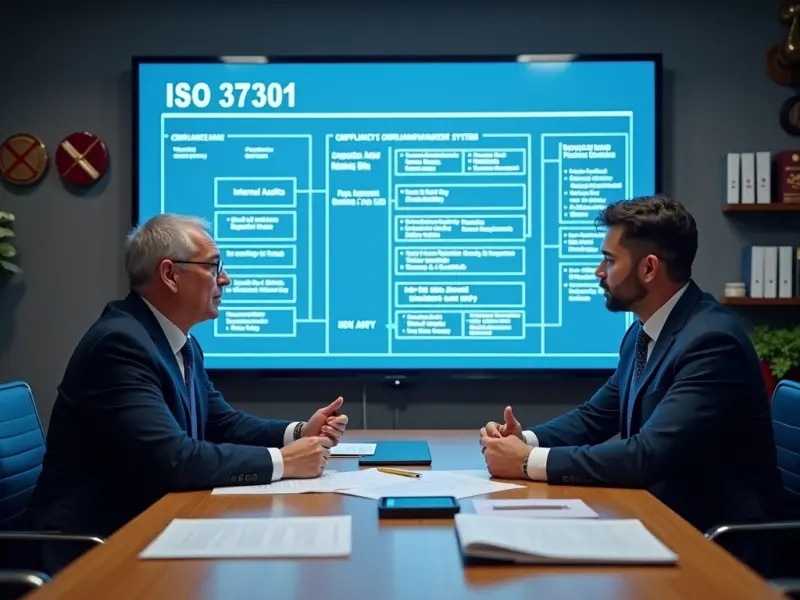
ISO 37301 Compliance Management Lead Auditor Training

Course Details
-
# 103600629_82208
-
10 – 14 May 2027 14.May.2027
-
Dubai
-
6500 €
Overview
Organizations navigate intricate regulatory environments requiring systematic governance, risk controls, and ethical conduct. The ISO 37301 Compliance Management Lead Auditor Training equips participants with the specialized competencies required to evaluate a Compliance Management System against international benchmark criteria. Auditors learn to examine compliance obligations, assess risk identification mechanisms, evaluate operational controls, and appraise organizational culture across complex corporate structures. Through practical audit techniques, participants develop the capability to direct audit engagements and evaluate compliance maturity. This course is delivered by Agile Leaders Training Center.
Who Should Attend
- Compliance officers, managers, and risk practitioners leading internal compliance oversight.
- Internal and external auditors preparing to lead compliance management system audits.
- Legal counsels and regulatory affairs managers evaluating corporate governance controls.
- Quality and integrated management system auditors expanding into compliance verification.
- Corporate governance consultants guiding organizations through compliance system assessments.
Departments and Industries
This programme serves governance, assurance, and risk professionals across regulated and high-scrutiny operating sectors.
- Banking, Financial Services, and Insurance Institutions
- Energy, Oil, Gas, and Utilities Organizations
- Pharmaceutical, Healthcare, and Medical Technology Providers
- Telecommunications and Digital Infrastructure Enterprises
- Transportation, Logistics, and Global Supply Chain Networks
Learning Objectives
By the end of this course, participants will be able to:
- Interpret ISO 37301 requirements from an independent audit perspective.
- Evaluate organizational context, compliance obligations registers, and risk assessment methodologies.
- Plan and initiate first-party, second-party, and third-party compliance management system audits.
- Conduct Stage 1 readiness reviews and Stage 2 on-site evidence gathering activities.
- Apply professional interviewing, sampling, and verification protocols during compliance audits.
- Classify audit findings, formulate defensible nonconformity statements, and assess corrective action plans.
- Direct opening and closing meetings while managing audit team communications.
- Structure and oversee an ongoing compliance audit programme using risk-based priorities.
Course Agenda
Day 1: ISO 37301 Structure and Compliance Governance
- Principles, architecture, and core requirements of ISO 37301
- Evaluation of organizational context, interested parties, and compliance scope
- Identification and tracking of mandatory and voluntary compliance obligations
- Assessment of compliance risk identification, analysis, and evaluation frameworks
- Leadership engagement, compliance culture, governance oversight, and ethics reporting
- Support functions, competence verification, and compliance documentation architecture
Day 2: Audit Concepts and Stage 1 Preparation
- Auditing principles, professional judgment, integrity, and confidentiality standards
- Distinctions between first-party, second-party, and certification audit engagements
- Determination of audit objectives, scope boundaries, criteria, and feasibility
- Audit resource allocation, team competence selection, and stakeholder communication
- Formulation of the audit plan, working documents, checklists, and sampling plans
- Execution of Stage 1 documentation reviews to evaluate audit readiness
Day 3: Conducting Stage 2 Compliance Audits
- Conducting the opening meeting and confirming on-site audit timetables
- Gathering objective evidence through document appraisal, observation, and interviews
- Auditing operational controls, third-party due diligence, and escalation pathways
- Sampling methodologies for compliance records, risk registers, and training logs
- Evaluating whistleblower systems, investigation protocols, and corrective measures
- Managing audit interview dynamics, time constraints, and conflicting data
Day 4: Evidence Evaluation, Findings, and Reporting
Day 5: Audit Programme Management and Auditor Competence
- Establishing, implementing, and monitoring a risk-based audit programme
- Applying the Plan-Do-Check-Act cycle to manage multi-site compliance audits
- Evaluating auditor performance, ethics, independence, and technical competence
- Coordination of surveillance audits, recertification schedules, and integrated audits
- Review of the core competency domains required for lead auditors
- Capstone case study resolving complex compliance audit scenarios from planning to closeout
Practical Exercises
Participants engage in realistic scenario-based exercises to build defensible auditing capabilities.
- Review a corporate obligations register to define audit scope and sampling targets.
- Formulate an audit checklist targeting compliance risk evaluation and operational controls.
- Conduct a simulated compliance audit interview addressing whistleblower mechanism integrity.
- Draft an evidence-based nonconformity report based on a simulated control breakdown.
- Present audit findings during a simulated executive closing meeting.
FAQs
What specific qualifications or prerequisites are needed for participants before enrolling in the course?
There are no mandatory prerequisites for attending this course. Participants will benefit from prior exposure to corporate compliance, risk management, legal affairs, internal auditing, or management systems. Basic familiarity with ISO 37301 standards and standard auditing principles is recommended for those seeking to lead formal audits. Professional credentials issued by independent bodies generally require relevant practical audit experience in addition to formal training.
How long is each day's session, and is there a total number of hours required for the entire course?
Each day consists of structured instruction spanning approximately four to five hours, including interactive discussions and exercises. The complete one-week programme delivers between 20 and 25 hours of instructional engagement.
What is the difference between understanding ISO 37301 and being able to audit a Compliance Management System?
Understanding ISO 37301 focuses on interpreting standard requirements and understanding how a compliance management system operates within an organization. Auditing requires the practical capability to define audit scope, sample evidence, interview stakeholders objectively, substantiate findings against criteria, identify systemic nonconformities, and oversee audit programmes across the audit lifecycle.
Conclusion
Effective compliance auditing safeguards organizational reputation and ensures adherence to legal and regulatory mandates. By mastering the audit lifecycle from initiation to follow-up, participants return to their organizations equipped to lead rigorous compliance assessments, verify critical controls, and foster a robust culture of corporate integrity.
Certified Courses By International Bodies
ISO 37301 Compliance Management Lead Auditor Training (103600629_82208)
Course Details
# 103600629_82208
10 – 14 May 2027
Dubai
Fees : 6500 €