The verdict: building corporate governance skills is worth it when your role touches how decisions are made, delegated and checked at the top of the organisation. It is less worth it if you are several layers away from the board and rarely see a board paper. Those who benefit most are non-executive directors, senior executives, board secretaries and the risk, compliance and HR leaders who keep the governance system running.
Governance is often treated as a legal formality. In practice, it is a set of working habits: who decides what, who checks whom, and how the board knows what is really happening. When those habits are weak, organisations feel it quickly in slow decisions, surprises at board meetings and friction between the chair and the chief executive.
What problems does good governance actually solve?
Most governance problems look like management problems at first. A strategic project stalls because nobody is sure whether the board or the executive team signs it off. A board meeting runs long because papers arrive late and full of operational detail. An audit finding repeats because no committee owns the follow-up.
Strong governance addresses these issues directly. It separates the supervisory role of non-executive directors from the day-to-day authority of management. It sets out committee mandates so audit, risk and remuneration matters each have a clear home. It builds a delegation of authority matrix so managers know what they can approve alone. And it gives stakeholders reporting they can trust.
What will you be able to do afterwards?
Someone who has built solid governance skills should be able to:
- Explain and apply the separation of powers between the board and executive management, so both sides stop stepping on each other.
- Draft or review committee charters that state clearly what the audit, risk and other committees own.
- Build or tidy a delegation of authority matrix that speeds up routine approvals and escalates the right decisions.
- Prepare board papers and agendas that focus directors on strategy and risk rather than operational detail.
- Oversee audit and risk supervision, including tracking management actions until they are closed.
- Design performance measures and stakeholder reporting that show how the organisation is really doing.
- Connect people-related policies, such as delegated HR authorities and ethics rules, to the wider governance framework.
Who is it for, and who is it not for?
It is for:
- Non-executive directors and committee members who want to supervise more effectively without drifting into management.
- Chief executives, managing directors and executive committee members who implement strategy under board oversight.
- Board secretaries and governance officers who run meetings, minutes, resolutions and disclosures.
- Risk, internal control and compliance officers responsible for assurance frameworks.
- HR leaders turning HR policy into a governed system with clear authorities and accountability.
- Banking professionals, where regulators expect a high standard of board effectiveness and oversight.
It is not for:
- Junior staff who have no contact with board processes. General business ethics or compliance awareness is a better start.
- Organisations hoping a course will fix a governance crisis on its own. Skills help, but boards also need the will to change behaviour.
- Anyone looking purely for legal advice on a specific dispute. Governance training builds frameworks and judgement, not case-specific legal opinions.
How do governance skills show up in a real boardroom?
Consider a family-owned group preparing to bring in outside investors. The founder chairs the board and also acts as chief executive in practice. Board meetings cover everything from supplier choices to hiring. Investors ask a simple question: who oversees management?
A newly trained governance lead starts with the basics. She maps every recurring decision and agrees with the board which ones are reserved for directors and which are delegated. She drafts charters for an audit committee and a risk committee, each chaired by an independent director. The board secretary reshapes the agenda so strategic items come first and operational reports move into a short appendix. HR aligns its approval limits with the new delegation matrix.
Within a few board cycles, meetings become shorter and sharper. Management knows what it can decide. Directors spend their time on risk and direction. Investors see a structure they can rely on. None of this needed new law; it needed people who knew how governance should work.
Which governance training fits which role?
Governance is broad, so the right course depends on where you sit:
- Directors and senior executives: Corporate Governance for Boards and Executive Leadership covers the separation of powers, committee mandates, audit and risk supervision, performance metrics and stakeholder reporting.
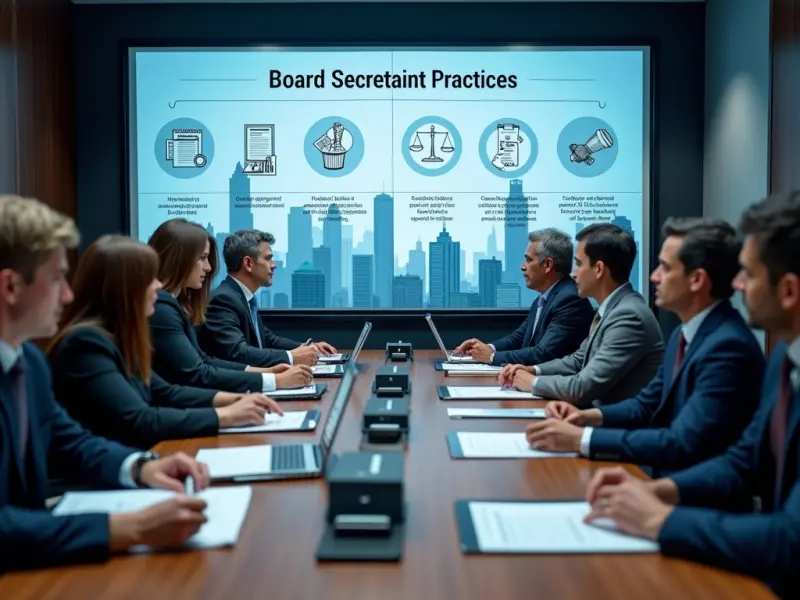
- Board secretaries and governance officers: Board Secretariat Practices & Corporate Governance Training focuses on preparing meetings, managing documentation, supporting directors, risk oversight and board evaluations.
- Banking and financial services professionals: Corporate Governance in the Banking Sector: From Theory To Practice links governance theory, comply-or-explain approaches and ESG to board effectiveness in banks.
- HR leaders: Human Resources Governance: Legislation, Compliance & Corporate Practices shows how to turn HR from an operational function into a governance system with clear authorities, compliance and accountability.
For a leadership team, a sensible approach is to send the chair, chief executive and board secretary on complementary tracks so they come back with a shared language.
How do you measure whether the investment paid off?
Look for practical signs rather than certificates on the wall. Are board papers shorter and more focused? Do committees close audit actions on time? Can managers approve routine items without escalation? Do directors and executives describe their roles the same way? When those answers improve, the skills are working.
Bottom line
Corporate governance skills are worth building for anyone who shapes, serves or answers to a board. They turn vague authority into clear roles, make meetings more useful and give stakeholders confidence. If your role is far from board decisions, start with broader compliance or ethics learning and come back to governance later. Check the course page for the full syllabus, upcoming dates and fees.
Frequently asked questions
Is corporate governance only relevant to listed companies?
No. Family businesses, government-related entities, non-profits and private groups all benefit from clear roles, committees and delegated authorities, especially when they grow or take on outside investors.
What is a delegation of authority matrix?
It is a document that sets out who can approve which decisions and up to what level. A good one speeds up routine approvals and makes sure major decisions reach the board.
How is a board secretary's role different from an executive assistant's?
A board secretary supports governance itself: agendas, minutes, resolutions, disclosures and advice to directors on procedure. It is an advisory governance role, not an administrative support role.
Does governance slow decision-making down?
Done badly, yes. Done well, it speeds decisions up, because managers know what they can approve and the board focuses only on matters reserved for it.
Should HR be part of the governance framework?
Yes. Hiring authorities, pay decisions and people policies carry real risk. Linking them to the governance framework keeps decisions fair, compliant and accountable.