Business Model Strategy and Tech-Driven Growth Course

At a glance
- Duration
- 1 Week
- Format
- Classroom
- Cities
- Abu Dhabi, Munich, Trabzon, Dubai, Berlin, Zanzibar and more
- Next session
- 19 – 23 October 2026, Abu Dhabi
- Average fee
- 5,800 €
Course Overview
The course is an intensive, enterprise-oriented program tailored to modern business leaders seeking sustainable scalability. This course empowers participants with practical tools, case studies, and innovation strategies to master the design, execution, and evolution of strategic business models. It emphasises real-world application through the lens of current and future economic models such as the platform economy, machine economy, ecosystem-based business models, and more.
Target Audience
- C-Level Executives (CEO, CIO, COO)
- Strategy and Innovation Leaders
- Digital Transformation Managers
- Business Analysts and Consultants
- Enterprise Architects
- Entrepreneurs and Founders
Targeted Organizational Departments
- Strategy & Corporate Development
- Innovation & R&D
- Digital Transformation Offices
- Business Development & Growth
- Marketing & Customer Experience
- IT & Data Analytics
Targeted Industries
- Technology & SaaS
- Financial Services
- E-commerce & Retail
- Manufacturing
- Telecommunications
- Healthcare
- Government & Public Sector
Course Offerings
By the end of this course, participants will be able to:
- Apply the 6C Business Model Framework for strategic design.
- Analyse and implement platform business models and ecosystem economy strategies.
- Design effective value propositions and optimise revenue streams.
- Leverage cloud, API, and AI-powered systems in model execution.
- Differentiate and execute various types: freemium, subscription, marketplace, direct-to-consumer, and crowdsourcing.
- Forecast market shifts using data-driven innovation and machine economy tactics.
- Develop scalable, sustainable, and tech-driven business models.
Training Methodology
This course uses a blended learning approach grounded in enterprise strategy and innovation. Methods include:
- Case studies on Amazon, Airbnb, and platform economies
- Group discussions and scenario planning on value creation and strategic alignment
- Collaborative design sprints for revenue model optimisation and market entry strategies
- Application of ecosystem strategy, data analytics, and personalisation models to practical challenges
Course Toolbox
- Business Model Canvas & 6C Framework Templates
- Strategic Planning & Execution Checklists
- Revenue Model Calculators
- Case Study Repository (Airbnb, Uber, Amazon, etc.)
- Collaboration Tools for Ecosystem Mapping
- Subscription Economy ROI Templates
Course Agenda
Day 1: Core Principles of Business Model Design
- Topic 1: Defining Business Model Innovation for Enterprise Leaders
- Topic 2: Value Proposition Design for Competitive Advantage
- Topic 3: Exploring Strategic Revenue Models and Monetisation
- Topic 4: Introduction to the 6C Business Model Framework
- Topic 5: Visualising Ideas with the Business Model Canvas
- Topic 6: Identifying Target Customers and Market Segments
- Reflection & Review: Business model foundations vs modern demands
Day 2: Technology-Driven Models & Digital Frameworks
- Topic 1: Platform Business Models and Digital Strategy Alignment
- Topic 2: Cloud Computing Business Models and API Economy Essentials
- Topic 3: Freemium, Subscription, and Consumption-Based Approaches
- Topic 4: Digital Platform Technology and E-commerce Innovation
- Topic 5: AI-Powered Business Models and the Machine Economy
- Topic 6: Leveraging Data-Driven Innovation for Business Growth
- Reflection & Review: Evaluating the integration of digital tools into models
Day 3: Emerging Models in Ecosystems and Experience
- Topic 1: Ecosystem Economy: Collaborations and Co-Creation Models
- Topic 2: Marketplace Dynamics and Sharing Economy in Practice
- Topic 3: Circular Economy, Sustainability, and Social Impact
- Topic 4: Creator Economy: Monetising Digital Content and Skills
- Topic 5: Experience Economy: Personalisation and Engagement
- Topic 6: Machine-to-Machine and API Economies in Action
- Reflection & Review: Matching business models to user experience trends
Day 4: Planning, Optimisation, and Execution
- Topic 1: Strategic Planning and Go-to-Market Design
- Topic 2: Cost Optimisation and Revenue Stream Evaluation
- Topic 3: Customer Segmentation Strategy and Personalisation Tactics
- Topic 4: Crowdsourcing and Crowdfunded Entities
- Topic 5: Value Chain Activities and Competitive Positioning
- Topic 6: Building Scalable and Sustainable Structures
- Reflection & Review: Aligning operational frameworks with strategic models
Day 5: Application, Scaling, and Business Future-Proofing
- Topic 1: Business Model Execution Plans: Testing and Scaling
- Topic 2: Collaborative Ecosystem Design and Strategic Partnerships
- Topic 3: Licensing, Open Source, and Community-Led Business Models
- Topic 4: Advertising and Direct-to-Consumer Channels
- Topic 5: Evaluating Business Model Trends and Future Directions
- Topic 6: Finalising Your Business Model Blueprint
- Reflection & Review: Capstone presentations and feedback on business model plans
FAQ
What specific qualifications or prerequisites are needed for participants before enrolling in the course?
No formal prerequisites are required. However, a background in business strategy, entrepreneurship, or digital transformation is recommended.
How long is each day's session, and is there a total number of hours required for the entire course?
Each day's session is generally structured to last around 4-5 hours, with breaks and interactive activities included. The total course duration spans one week, approximately 20-25 hours of instruction.
What is the difference between a platform and an ecosystem business model?
Platform business models enable direct user interactions via a digital interface, while ecosystem models involve a collaborative network of partners delivering co-created value.
How This Course is Different from Other Business Model Courses
Unlike traditional business model training, this course is deeply rooted in enterprise innovation strategy, leveraging the latest technologies—AI, IoT, cloud computing, and data analytics—to enable real transformation. which offers a structured 6C Framework, rich examples from platform ecosystems, and actionable templates for implementation. This course goes beyond theory by offering a future-ready roadmap that incorporates API economy, machine economy, and creator economy models, aligning your strategies with the subscription economy and ecosystem-driven growth. Participants leave not only with ideas but also with execution plans and a tested model they can apply immediately.
credits: 5 credit per day
Course Mode: full-time
Provider: Agile Leaders Training Center
-
Events for this Course
-
Abu Dhabi 19 – 23 October 2026
-
Munich 19 – 23 October 2026
-
Trabzon 25 – 29 October 2026
-
Dubai 26 – 30 October 2026
-
Berlin 26 – 30 October 2026
-
Zanzibar 1 – 5 November 2026
-
Singapore 2 – 6 November 2026
-
Muscat 8 – 12 November 2026
-
Vienna 16 – 20 November 2026
-
Langkawi 29 November – 3 December 2026
-
Nairobi 6 – 10 December 2026
-
Cape town 13 – 17 December 2026
-
Abu Dhabi 21 – 25 December 2026
-
Kuala Lumpur 28 December 2026 – 1 January 2027
-
Vienna 4 – 8 January 2027
-
Jakarta 4 – 8 January 2027
-
Barcelona 11 – 15 January 2027
-
Milan 11 – 15 January 2027
-
Cairo 18 – 22 January 2027
-
Paris 25 – 29 January 2027
-
Manama 31 January – 4 February 2027
-
London 1 – 5 February 2027
-
Istanbul 8 – 12 February 2027
-
Amsterdam 15 – 19 February 2027
-
Dubai 22 – 26 February 2027
-
Madrid 1 – 5 March 2027
-
Milan 8 – 12 March 2027
-
Casablanca 15 – 19 March 2027
-
Doha 21 – 25 March 2027
-
Tokyo 22 – 26 March 2027
-
London 29 March – 2 April 2027
-
Kuwait 4 – 8 April 2027
-
Rome 5 – 9 April 2027
-
Kuala Lumpur 12 – 16 April 2027
-
Cairo 19 – 23 April 2027
-
Istanbul 26 – 30 April 2027
-
Zoom 26 – 30 April 2027
-
Barcelona 3 – 7 May 2027
-
Madrid 3 – 7 May 2027
-
Amman 9 – 13 May 2027
-
Sharm El-Sheikh 10 – 14 May 2027
-
Dubai 17 – 21 May 2027
-
Prague 17 – 21 May 2027
-
Athens 24 – 28 May 2027
-
Tbilisi 31 May – 4 June 2027
-
Abu Dhabi 7 – 11 June 2027
-
London 14 – 18 June 2027
-
Amsterdam 21 – 25 June 2027
-
Toronto 27 June – 1 July 2027
-
San Diego 28 June – 2 July 2027
-
Marbella 4 – 8 July 2027
-
Rome 5 – 9 July 2027
-
Baku 12 – 16 July 2027
-
Chicago 18 – 22 July 2027
-
Bali 25 – 29 July 2027
-
Lisbon 26 – 30 July 2027
-
Abu Dhabi 2 – 6 August 2027
-
Frankfurt 2 – 6 August 2027
-
Phuket 8 – 12 August 2027
-
Dubai 9 – 13 August 2027
-
Porto 9 – 13 August 2027
-
Johannesburg 15 – 19 August 2027
-
Nice 16 – 20 August 2027
-
Paris 23 – 27 August 2027
-
Seoul 23 – 27 August 2027
-
London 30 August – 3 September 2027
-
Montreux 30 August – 3 September 2027
-
Geneva 5 – 9 September 2027
-
Accra 12 – 16 September 2027
-
Tashkent 12 – 16 September 2027
-
Manama 26 – 30 September 2027
-
New York 27 September – 1 October 2027
-
Amsterdam 4 – 8 October 2027
-
Bangkok 17 – 21 October 2027
| Image | Location | Dates | Duration | Mode | Price | Actions |
|---|---|---|---|---|---|---|

|
Abu Dhabi |
Week 43, 2026 19 – 23 October 2026 |
1 Week | Onsite | €4,700 | |

|
Munich |
Week 43, 2026 19 – 23 October 2026 |
1 Week | Onsite | €5,700 | |

|
Trabzon |
Week 43, 2026 25 – 29 October 2026 |
1 Week | Onsite | €6,800 | |

|
Dubai |
Week 44, 2026 26 – 30 October 2026 |
1 Week | Onsite | €4,500 | |

|
Berlin |
Week 44, 2026 26 – 30 October 2026 |
1 Week | Onsite | €5,700 | |
|
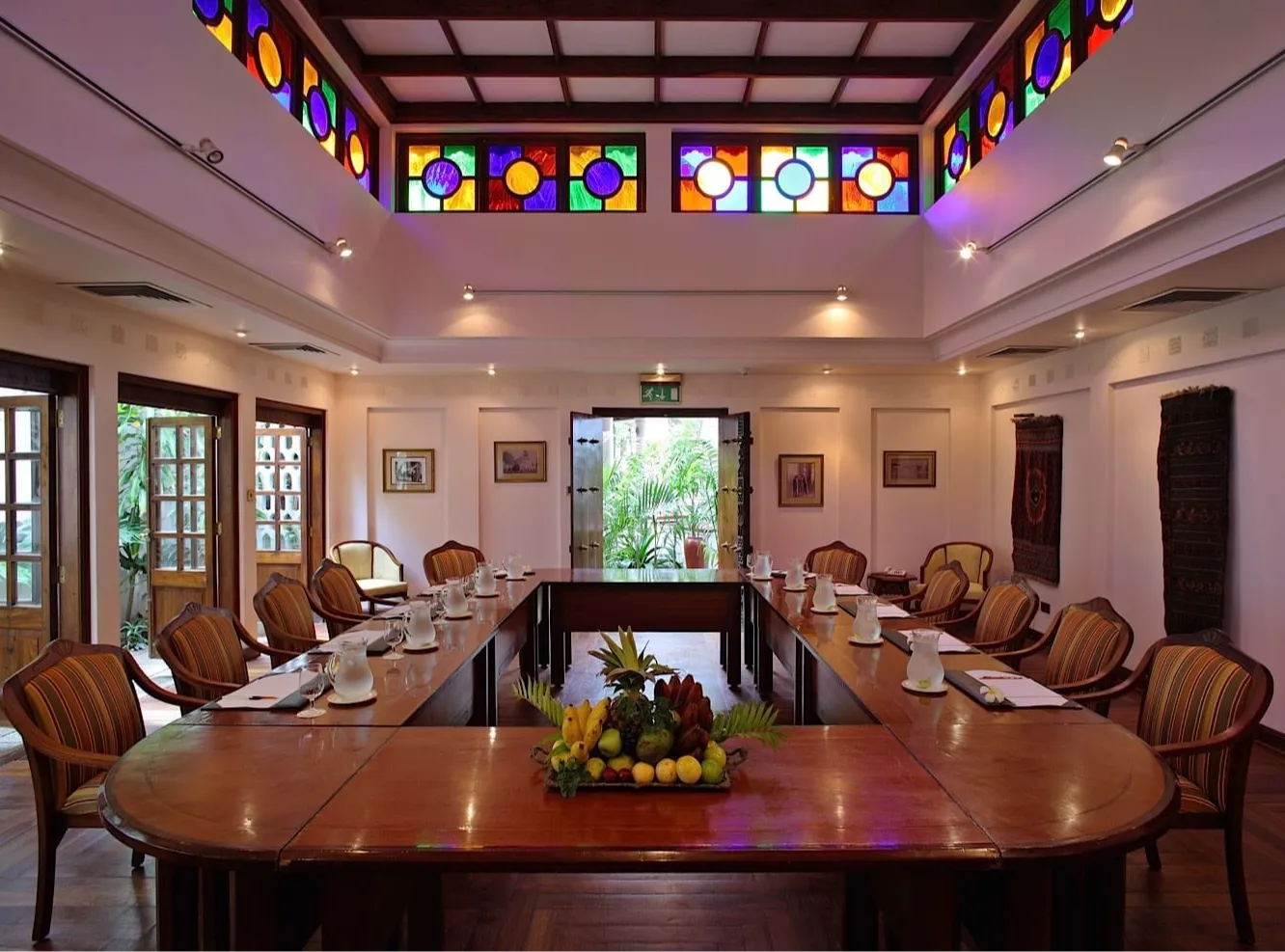
Zanzibar |
Week 44, 2026 1 – 5 November 2026 |
1 Week | Onsite | €5,500 | |

|
Singapore |
Week 45, 2026 2 – 6 November 2026 |
1 Week | Onsite | €5,700 | |

|
Muscat |
Week 45, 2026 8 – 12 November 2026 |
1 Week | Onsite | €5,700 | |

|
Vienna |
Week 47, 2026 16 – 20 November 2026 |
1 Week | Onsite | €5,700 | |

|
Langkawi |
Week 48, 2026 29 November – 3 December 2026 |
1 Week | Onsite | €6,000 | |

|
Nairobi |
Week 49, 2026 6 – 10 December 2026 |
1 Week | Onsite | €4,500 | |

|
Cape town |
Week 50, 2026 13 – 17 December 2026 |
1 Week | Onsite | €4,500 | |
|
|
Abu Dhabi |
Week 52, 2026 21 – 25 December 2026 |
1 Week | Onsite | €4,700 | |

|
Kuala Lumpur |
Week 53, 2026 28 December 2026 – 1 January 2027 |
1 Week | Onsite | €5,200 | |
|
|
Vienna |
Week 01, 2027 4 – 8 January 2027 |
1 Week | Onsite | €5,700 | |

|
Jakarta |
Week 01, 2027 4 – 8 January 2027 |
1 Week | Onsite | €5,700 | |

|
Barcelona |
Week 02, 2027 11 – 15 January 2027 |
1 Week | Onsite | €5,700 | |

|
Milan |
Week 02, 2027 11 – 15 January 2027 |
1 Week | Onsite | €5,700 | |

|
Cairo |
Week 03, 2027 18 – 22 January 2027 |
1 Week | Onsite | €4,100 | |

|
Paris |
Week 04, 2027 25 – 29 January 2027 |
1 Week | Onsite | €5,700 |
Frequently asked questions
Are training dates available?
Yes. Available dates and destinations are listed in the course dates section on this page.
How can I register?
Choose an available date on this page and complete the registration form, or send a programme enquiry.
Can I download the course brochure?
Yes. Use the brochure download link provided on this page.
This course by city
- Leadership and Management Training Courses in Abu Dhabi
- Leadership and Management Training Courses in Accra
- Leadership and Management Training Courses in Amman
- Leadership and Management Training Courses in Amsterdam
- Leadership and Management Training Courses in Athens
- Leadership and Management Training Courses in Baku
- Leadership and Management Training Courses in Bali
- Leadership and Management Training Courses in Bangkok
- Leadership and Management Training Courses in Barcelona
- Leadership and Management Training Courses in Berlin
- Leadership and Management Training Courses in Cairo
- Leadership and Management Training Courses in Cape town
- Leadership and Management Training Courses in Casablanca
- Leadership and Management Training Courses in Chicago
- Leadership and Management Training Courses in Doha
- Leadership and Management Training Courses in Dubai
- Leadership and Management Training Courses in Frankfurt
- Leadership and Management Training Courses in Geneva
- Leadership and Management Training Courses in Istanbul
- Leadership and Management Training Courses in Jakarta
- Leadership and Management Training Courses in Johannesburg
- Leadership and Management Training Courses in Kuala Lumpur
- Leadership and Management Training Courses in Kuwait
- Leadership and Management Training Courses in Langkawi
- Leadership and Management Training Courses in Lisbon
- Leadership and Management Training Courses in London
- Leadership and Management Training Courses in Madrid
- Leadership and Management Training Courses in Manama
- Leadership and Management Training Courses in Marbella
- Leadership and Management Training Courses in Milan
- Leadership and Management Training Courses in Montreux
- Leadership and Management Training Courses in Munich
- Leadership and Management Training Courses in Muscat
- Leadership and Management Training Courses in Nairobi
- Leadership and Management Training Courses in New York
- Leadership and Management Training Courses in Nice
- Leadership and Management Training Courses in Paris
- Leadership and Management Training Courses in Phuket
- Leadership and Management Training Courses in Porto
- Leadership and Management Training Courses in Prague
- Leadership and Management Training Courses in Rome
- Leadership and Management Training Courses in San Diego
- Leadership and Management Training Courses in Seoul
- Leadership and Management Training Courses in Sharm El-Sheikh
- Leadership and Management Training Courses in Singapore
- Leadership and Management Training Courses in Tashkent
- Leadership and Management Training Courses in Tbilisi
- Leadership and Management Training Courses in Tokyo
- Leadership and Management Training Courses in Toronto
- Leadership and Management Training Courses in Trabzon
- Leadership and Management Training Courses in Vienna
- Leadership and Management Training Courses in Zanzibar
- Leadership and Management Training Courses in Zoom