Cathodic Protection Design and Monitoring Course
This 1-week course has 58 dates from November 2026 to November 2027 in 54 cities and live online. The next date runs 30 November – 4 December 2026 in Kuala Lumpur. Fees per participant run from €5,200 (Cairo) to €16,000 (Toronto) in a classroom, and from €3,000 live online.
- Duration
- 1 Week5 days
- Scheduled dates
- 58
- Classroom cities
- 54Kuala Lumpur, Abu Dhabi, Berlin, Madrid and more
- Format
- Classroom and live online
- Fee per participant
- €3,000–€16,000Average €7,500
What does this course cover?
Overview
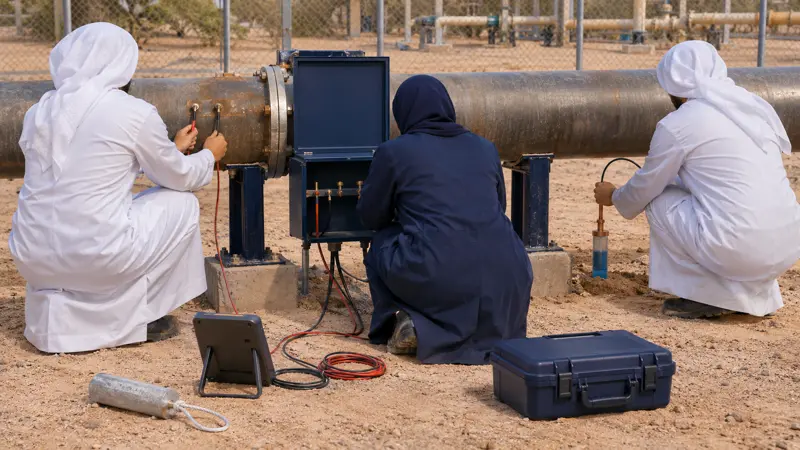
Advanced Cathodic Protection Design and Monitoring Training Course is a one-week course for corrosion, pipeline, electrical, integrity, inspection, and technical-authority functions who leave with a Cathodic Protection Design and Monitoring File. Participants convert asset, coating, soil, water, electrical, and service data into galvanic-anode or impressed-current designs, commissioning tests, survey plans, and performance decisions. The course uses traceable calculations, system drawings, measurement controls, and fault diagnosis. Agile Leaders Training Center presents cathodic protection design and monitoring.
Who Should Attend
- Corrosion functions responsible for cathodic protection criteria, calculations, and technical assurance
- Pipeline and tank functions responsible for buried or submerged metallic assets
- Electrical functions responsible for rectifiers, groundbeds, cables, bonds, and isolation
- Integrity and inspection functions responsible for surveys, monitoring evidence, and remediation
- Technical-authority functions responsible for design review, commissioning, and lifecycle records
The course assumes participants interpret engineering drawings, electrical measurements, and corrosion data at work, and it leaves out corrosion fundamentals, port-specific asset management, regulated electrical installation, diving, and professional certification.
Departments and Industries
The course supports departments and industries that design or monitor cathodic protection for buried and submerged assets.
- Oil and gas pipeline transportation and terminal engineering
- Storage-tank, refinery, and petrochemical integrity
- Water, wastewater, and industrial utility networks
- Marine, offshore, coastal, and buried infrastructure
- Corrosion consulting, engineering design, and inspection services
Learning Objectives
By the end of this course, participants will be able to:
- Analyze asset, environment, coating, and electrical design inputs
- Calculate current demand, anode quantity, capacity, and design life
- Compare galvanic and impressed-current system configurations
- Build commissioning, potential-survey, and monitoring plans
- Diagnose isolation, continuity, interference, and distribution problems
- Evaluate design and monitoring evidence against specified criteria
Course Agenda
Day 1: Establish the Protection Design Basis
- ISO 15589-1 Asset Boundary and Requirement Review
- Structure, Coating, Electrolyte, and Service Data Register
- Soil Resistivity and Water Environment Characterization Method
- Electrical Continuity, Isolation, Bond, and Crossing Map
- Cathodic Protection Criteria and Design-Basis Sheet
Day 2: Design Galvanic Anode Systems
- Protected Surface Area and Coating Breakdown Calculation
- Current Density and Total Current Demand Worksheet
- Anode Material, Driving Voltage, and Resistance Selection Matrix
- Anode Mass, Utilization, Quantity, Spacing, and Life Calculation
- Galvanic Anode Layout and Cable Schedule Drawing
Day 3: Design Impressed Current Systems
- Rectifier Voltage, Current, Capacity, and Control Sizing Sheet
- Groundbed Type, Anode Resistance, and Distribution Model
- Cable, Junction Box, Test Station, and Connection Schedule
- Touch Voltage, Fault, Surge, and Personnel-Safety Review
- Impressed Current Single-Line and Installation Specification
Day 4: Commission and Monitor Performance
- Reference Electrode, Meter, Contact, and Measurement Control Checklist
- Native, On, Instant-Off, and Polarized Potential Survey Method
- Close-Interval Potential and Coating-Anomaly Survey Plan
- ISO 21857 Stray-Current and Interference Evaluation Matrix
- Commissioning, Baseline, Remote Monitoring, and Record Plan
Day 5: Practice Design and Diagnosis
- Suggested Exercise: Calculate Galvanic Anode Quantity and Life
- Suggested Exercise: Size a Rectifier and Distributed Groundbed
- Suggested Exercise: Interpret Potential and Interference Survey Evidence
- Suggested Exercise: Diagnose Underprotection and Distribution Faults
- Capstone Exercise: Complete the Cathodic Protection Design and Monitoring File
Practical Exercises
The course uses suggested activities to convert asset and electrical evidence into auditable protection decisions.
- Suggested activity: define system boundaries, coating condition, environment, continuity, isolation, crossings, and protection criteria.
- Suggested activity: calculate current demand and compare galvanic-anode and impressed-current configurations for pipelines, tanks, and water assets.
- Suggested activity: prepare commissioning and monitoring points, measurement controls, potential surveys, acceptance records, and trend rules.
- Suggested activity: diagnose shielding, shorts, reference-electrode error, interference, coating change, anode depletion, rectifier faults, and poor distribution.
FAQs
Who suits cathodic protection design and monitoring training, and what does it assume?
Cathodic protection design and monitoring training suits corrosion, pipeline, electrical, integrity, inspection, and technical-assurance personnel. It assumes participants can interpret drawings, basic electrical quantities, coating information, and field measurements.
How does cathodic protection design training differ from corrosion-control fundamentals?
Cathodic protection design training develops current-demand, anode, rectifier, groundbed, circuit, commissioning, and monitoring decisions. Corrosion-control fundamentals compare mechanisms and a wider set of material, coating, chemical, environmental, and inspection controls.
How is cathodic protection current demand calculated?
Cathodic protection current demand combines protected surface area, coating condition or breakdown, environment, specified current density, allowances, asset geometry, continuity, isolation, and lifecycle assumptions in a traceable calculation.
What evidence is used to monitor cathodic protection performance?
Cathodic protection monitoring uses controlled potential measurements, reference-electrode records, current and rectifier outputs, continuity and isolation tests, close-interval surveys, interference evidence, coating information, asset changes, trends, and corrective-action records.
How are cathodic protection interference problems diagnosed?
Cathodic protection interference diagnosis compares synchronized source cycling, structure potentials, current direction, bonds, crossings, isolation, foreign structures, alternating-current exposure, and spatial survey patterns before selecting mitigation and verification actions.
Conclusion
Participants take back a Cathodic Protection Design and Monitoring File linking design inputs, criteria, calculations, drawings, commissioning tests, surveys, interference evidence, monitoring rules, and actions. It changes separate electrical and corrosion data into a traceable lifecycle decision record. The file supports design review, procurement, installation assurance, commissioning, operation, and integrity management.
credits: 5 credit per day
Course Mode: full-time
Provider: Agile Leaders Training Center
-
Events for this Course
-
Kuala Lumpur 30 November – 4 December 2026
-
Abu Dhabi 30 November – 4 December 2026
-
Berlin 7 – 11 December 2026
-
Madrid 14 – 18 December 2026
-
Trabzon 20 – 24 December 2026
-
Jakarta 28 December 2026 – 1 January 2027
-
Amman 3 – 7 January 2027
-
London 11 – 15 January 2027
-
Porto 11 – 15 January 2027
-
Barcelona 18 – 22 January 2027
-
Milan 25 – 29 January 2027
-
Dubai 1 – 5 February 2027
-
Nairobi 7 – 11 February 2027
-
Zoom 15 – 19 February 2027
-
Toronto 21 – 25 February 2027
-
Cairo 1 – 5 March 2027
-
Accra 8 – 12 March 2027
-
Amsterdam 15 – 19 March 2027
-
Zanzibar 28 March – 1 April 2027
-
Lisbon 29 March – 2 April 2027
-
Kuwait 4 – 8 April 2027
-
Lagos 4 – 8 April 2027
-
Bangkok 11 – 15 April 2027
-
Bali 18 – 22 April 2027
-
Montreux 3 – 7 May 2027
-
Abu Dhabi 3 – 7 May 2027
-
Chicago 9 – 13 May 2027
-
Nice 10 – 14 May 2027
-
Manama 16 – 20 May 2027
-
Dubai 24 – 28 May 2027
-
Istanbul 31 May – 4 June 2027
-
Langkawi 6 – 10 June 2027
-
Paris 14 – 18 June 2027
-
Casablanca 21 – 25 June 2027
-
Athens 28 June – 2 July 2027
-
Phuket 4 – 8 July 2027
-
Addis Ababa 5 – 9 July 2027
-
San Diego 26 – 30 July 2027
-
Tbilisi 2 – 6 August 2027
-
Singapore 2 – 6 August 2027
-
Geneva 8 – 12 August 2027
-
New York 9 – 13 August 2027
-
Munich 16 – 20 August 2027
-
Sharm El-Sheikh 23 – 27 August 2027
-
Baku 30 August – 3 September 2027
-
Rome 13 – 17 September 2027
-
Doha 19 – 23 September 2027
-
Tashkent 19 – 23 September 2027
-
London 27 September – 1 October 2027
-
Muscat 3 – 7 October 2027
-
Tokyo 18 – 22 October 2027
-
Marbella 24 – 28 October 2027
-
Vienna 8 – 12 November 2027
-
Prague 15 – 19 November 2027
-
Seoul 15 – 19 November 2027
-
Cape town 21 – 25 November 2027
-
Johannesburg 28 November – 2 December 2027
-
Frankfurt 29 November – 3 December 2027
When and where does this course run?
| Image | Location | Dates | Duration | Mode | Price | Actions |
|---|---|---|---|---|---|---|

|
Kuala Lumpur |
Week 49, 2026 30 November – 4 December 2026 |
1 Week | Onsite | €6,500 | |

|
Abu Dhabi |
Week 49, 2026 30 November – 4 December 2026 |
1 Week | Onsite | €6,500 | |

|
Berlin |
Week 50, 2026 7 – 11 December 2026 |
1 Week | Onsite | €6,500 | |

|
Madrid |
Week 51, 2026 14 – 18 December 2026 |
1 Week | Onsite | €6,500 | |
|
Trabzon |
Week 51, 2026 20 – 24 December 2026 |
1 Week | Onsite | €8,000 | |
|
Jakarta |
Week 53, 2026 28 December 2026 – 1 January 2027 |
1 Week | Onsite | €8,000 | |

|
Amman |
Week 53, 2027 3 – 7 January 2027 |
1 Week | Onsite | €6,000 | |

|
London |
Week 02, 2027 11 – 15 January 2027 |
1 Week | Onsite | €6,500 | |

|
Porto |
Week 02, 2027 11 – 15 January 2027 |
1 Week | Onsite | €6,500 | |

|
Barcelona |
Week 03, 2027 18 – 22 January 2027 |
1 Week | Onsite | €6,500 | |

|
Milan |
Week 04, 2027 25 – 29 January 2027 |
1 Week | Onsite | €7,000 | |

|
Dubai |
Week 05, 2027 1 – 5 February 2027 |
1 Week | Onsite | €6,500 | |

|
Nairobi |
Week 05, 2027 7 – 11 February 2027 |
1 Week | Onsite | €6,000 | |

|
Zoom |
Week 07, 2027 15 – 19 February 2027 |
1 Week | Online | €3,000 | |

|
Toronto |
Week 07, 2027 21 – 25 February 2027 |
1 Week | Onsite | €16,000 | |

|
Cairo |
Week 09, 2027 1 – 5 March 2027 |
1 Week | Onsite | €5,200 | |

|
Accra |
Week 10, 2027 8 – 12 March 2027 |
1 Week | Onsite | €6,330 | |

|
Amsterdam |
Week 11, 2027 15 – 19 March 2027 |
1 Week | Onsite | €6,500 | |
|
Zanzibar |
Week 12, 2027 28 March – 1 April 2027 |
1 Week | Onsite | €6,000 | |

|
Lisbon |
Week 13, 2027 29 March – 2 April 2027 |
1 Week | Onsite | €6,500 |
Frequently asked questions
When does this course next run?
The next date runs 30 November – 4 December 2026 in Kuala Lumpur. It is one of 58 dates scheduled up to November 2027.
Where is this course held?
In a classroom in 54 cities: Kuala Lumpur, Abu Dhabi, Berlin, Madrid, Trabzon, Jakarta, Amman, London, and more. It is also scheduled as live online sessions.
Can I attend this course online?
Yes. One date is scheduled as a live online session: 15 – 19 February 2027, from €3,000 per participant.
How long is the course?
1 Week. Each date shows its start and end dates.
How much does the course cost?
Fees per participant run from €5,200 (Cairo) to €16,000 (Toronto) in a classroom, and from €3,000 live online. Each date shows its own fee.
What does this course cover?
OverviewAdvanced Cathodic Protection Design and Monitoring Training Course is a one-week course for corrosion, pipeline, electrical, integrity, inspection, and technical-authority functions who leave with a Cathodic Protection Design and Monitoring File. Participants convert asset, coating, soil, water, electrical, and service data into galvanic-anode or…
Are training dates available?
Yes. Available dates and destinations are listed in the course dates section on this page.
How can I register?
Choose an available date on this page and complete the registration form, or send a programme enquiry.
Can I download the course brochure?
Yes. Use the brochure download link provided on this page.
Can this course be run for our team?
Yes. Tell us the number of participants and your preferred dates and city through our training request form.
This course by city
- Oil & Gas Training and Other Technical Courses in Abu Dhabi
- Oil & Gas Training and Other Technical Courses in Accra
- Oil & Gas Training and Other Technical Courses in Addis Ababa
- Oil & Gas Training and Other Technical Courses in Amman
- Oil & Gas Training and Other Technical Courses in Amsterdam
- Oil & Gas Training and Other Technical Courses in Athens
- Oil & Gas Training and Other Technical Courses in Baku
- Oil & Gas Training and Other Technical Courses in Bali
- Oil & Gas Training and Other Technical Courses in Bangkok
- Oil & Gas Training and Other Technical Courses in Barcelona
- Oil & Gas Training and Other Technical Courses in Berlin
- Oil & Gas Training and Other Technical Courses in Cairo
- Oil & Gas Training and Other Technical Courses in Cape town
- Oil & Gas Training and Other Technical Courses in Casablanca
- Oil & Gas Training and Other Technical Courses in Chicago
- Oil & Gas Training and Other Technical Courses in Doha
- Oil & Gas Training and Other Technical Courses in Dubai
- Oil & Gas Training and Other Technical Courses in Frankfurt
- Oil & Gas Training and Other Technical Courses in Geneva
- Oil & Gas Training and Other Technical Courses in Istanbul
- Oil & Gas Training and Other Technical Courses in Jakarta
- Oil & Gas Training and Other Technical Courses in Johannesburg
- Oil & Gas Training and Other Technical Courses in Kuala Lumpur
- Oil & Gas Training and Other Technical Courses in Kuwait
- Oil & Gas Training and Other Technical Courses in Lagos
- Oil & Gas Training and Other Technical Courses in Langkawi
- Oil & Gas Training and Other Technical Courses in Lisbon
- Oil & Gas Training and Other Technical Courses in London
- Oil & Gas Training and Other Technical Courses in Madrid
- Oil & Gas Training and Other Technical Courses in Manama
- Oil & Gas Training and Other Technical Courses in Marbella
- Oil & Gas Training and Other Technical Courses in Milan
- Oil & Gas Training and Other Technical Courses in Montreux
- Oil & Gas Training and Other Technical Courses in Munich
- Oil & Gas Training and Other Technical Courses in Muscat
- Oil & Gas Training and Other Technical Courses in Nairobi
- Oil & Gas Training and Other Technical Courses in New York
- Oil & Gas Training and Other Technical Courses in Nice
- Oil & Gas Training and Other Technical Courses in Paris
- Oil & Gas Training and Other Technical Courses in Phuket
- Oil & Gas Training and Other Technical Courses in Porto
- Oil & Gas Training and Other Technical Courses in Prague
- Oil & Gas Training and Other Technical Courses in Rome
- Oil & Gas Training and Other Technical Courses in San Diego
- Oil & Gas Training and Other Technical Courses in Seoul
- Oil & Gas Training and Other Technical Courses in Sharm El-Sheikh
- Oil & Gas Training and Other Technical Courses in Singapore
- Oil & Gas Training and Other Technical Courses in Tashkent
- Oil & Gas Training and Other Technical Courses in Tbilisi
- Oil & Gas Training and Other Technical Courses in Tokyo
- Oil & Gas Training and Other Technical Courses in Toronto
- Oil & Gas Training and Other Technical Courses in Trabzon
- Oil & Gas Training and Other Technical Courses in Vienna
- Oil & Gas Training and Other Technical Courses in Zanzibar
- Oil & Gas Training and Other Technical Courses in Zoom
More ways to train
- Every date of this courseAll cities and months, with fees
- Oil & Gas Training and Other Technical CoursesEvery course in this subject
- Live online coursesTrain from wherever you are
- Training citiesCourses in each city
- All upcoming datesThe course calendar by month
- Training for your teamTell us the course, the number of participants and your dates
- Contact usAsk us about this course