Communication-Led Conflict Resolution Course
This 1-week course has 76 dates from November 2026 to November 2027 in 54 cities and live online. The next date runs 23 – 27 November 2026 in Istanbul. Fees per participant run from €4,100 (Cairo) to €14,000 (San Diego) in a classroom, and from €1,500 live online.

- Duration
- 1 Week5 days
- Scheduled dates
- 76
- Classroom cities
- 54Istanbul, Chicago, Tbilisi, Amsterdam and more
- Format
- Classroom and live online
- Fee per participant
- €1,500–€14,000Average €5,750
What does this course cover?
Overview
Communication-Led Conflict Resolution Practice Training Course is a one-week professional course for customer-facing professionals, supervisors, service coordinators, complaints staff, and employees who resolve disagreements and leave with a Constructive Dialogue Plan. Participants diagnose communication breakdowns, listen for interests, ask neutral questions, reframe statements, communicate assertively, structure difficult conversations, build shared solutions, and confirm agreements. Agile Leaders Training Center connects communication-led conflict resolution with practical dialogue routines.
Who Should Attend
- Teams responsible for resolving interpersonal or service-related disagreements
- Supervisors responsible for facilitating difficult conversations
- Coordinators responsible for cross-team communication and follow-up
- Customer-facing staff responsible for maintaining constructive dialogue
- Complaints teams responsible for clarifying perspectives and agreements
The course assumes participants already conduct workplace or customer conversations and leaves out formal mediation, commercial negotiation, broad communication fundamentals, and crisis de-escalation.
Departments and Industries
The course supports departments and industries where disagreements must be resolved through clear, respectful communication.
- Customer relations, complaints, service coordination, and operations
- Healthcare administration, education services, and community services
- Retail, hospitality, transport, and property services
- Human resources, project teams, and shared services
- Technical support, utilities, and professional services
Learning Objectives
By the end of this course, participants will be able to:
- Diagnose communication patterns that sustain disagreement
- Apply active listening and neutral inquiry techniques
- Use reframing and assertive language to clarify interests
- Build structured difficult-conversation plans
- Evaluate options through collaborative problem solving
- Create agreement records and follow-up routines
Course Agenda
Day 1: Communication and Conflict Diagnosis
- Conflict Communication Pattern Map
- Position-Interest Distinction Grid
- Perspective-Taking Prompt Set
- Conversation Purpose Statement
- Dialogue Readiness Checklist
Day 2: Listening and Neutral Inquiry
- Active Listening Cycle
- Open-Ended Question Funnel
- Paraphrase and Summary Technique
- Emotion and Meaning Reflection Guide
- Assumption Testing Question Bank
Day 3: Reframing and Assertive Expression
- Neutral Reframing Formula
- Observation-Impact-Request Statement
- Assertive Boundary Message Builder
- Nonverbal Congruence Review
- Language Trigger Replacement Sheet
Day 4: Difficult Conversations and Agreements
- Difficult Conversation Planning Canvas
- Shared Problem Definition Method
- Collaborative Option Generation Grid
- Agreement Clarity Checklist
- Conversation Follow-Up Record
Day 5: Communication-Led Resolution Practice
- Exercise: Diagnose a Communication Breakdown
- Exercise: Conduct an Active Listening Exchange
- Exercise: Reframe Positions and Express Boundaries
- Exercise: Build and Confirm a Shared Agreement
- Capstone: Constructive Dialogue Plan
Practical Exercises
The course uses healthcare administration, retail, project-team, and professional-service scenarios to connect communication behavior with resolution decisions.
- Suggested activity: map statements, assumptions, interests, and communication patterns from a disagreement.
- Suggested activity: practice neutral questions, paraphrasing, reflection, and summarizing in paired dialogue.
- Suggested activity: rewrite triggering language as clear observations, impacts, boundaries, and requests.
- Suggested activity: facilitate option generation and document a shared agreement with follow-up actions.
FAQs
Who suits communication-led conflict resolution training, and what does it assume?
Professionals who manage workplace or customer disagreements suit the training; it assumes experience participating in conversations where perspectives, needs, or expectations differ.
How does communication-led conflict resolution differ from negotiation training?
Communication-led conflict resolution focuses on listening, inquiry, reframing, assertive expression, shared problem definition, and dialogue follow-up, while negotiation training focuses more broadly on bargaining, concessions, and deal terms.
Why is active listening important in conflict resolution?
Active listening helps participants surface meaning, interests, assumptions, and emotion before proposing a solution, reducing avoidable misunderstanding.
How does reframing support difficult conversations?
Reframing supports difficult conversations by turning blame, fixed positions, or inflammatory wording into neutral descriptions that make joint problem solving possible.
What makes a conflict-resolution agreement clear?
A clear conflict-resolution agreement identifies the shared decision, each person's actions, ownership, timing expectations, review points, and the method for raising unresolved issues.
Conclusion
Participants leave with a Constructive Dialogue Plan containing diagnostic prompts, listening questions, reframing formulas, assertive statements, option criteria, agreement fields, and follow-up actions. The plan supports clearer difficult conversations and more consistent resolution behavior. It turns differing perspectives into documented decisions and accountable next steps.
credits: 5 credit per day
Course Mode: full-time
Provider: Agile Leaders Training Center
-
Events for this Course
-
Istanbul 23 – 27 November 2026
-
Chicago 29 November – 3 December 2026
-
Tbilisi 7 – 11 December 2026
-
Amsterdam 14 – 18 December 2026
-
Frankfurt 14 – 18 December 2026
-
Cairo 21 – 25 December 2026
-
Abu Dhabi 21 – 25 December 2026
-
Dubai 28 December 2026 – 1 January 2027
-
Bangkok 3 – 7 January 2027
-
Rome 4 – 8 January 2027
-
Milan 11 – 15 January 2027
-
Tashkent 17 – 21 January 2027
-
Istanbul 18 – 22 January 2027
-
Montreux 25 – 29 January 2027
-
Berlin 1 – 5 February 2027
-
Geneva 7 – 11 February 2027
-
Dubai 8 – 12 February 2027
-
Manama 14 – 18 February 2027
-
Amsterdam 15 – 19 February 2027
-
Baku 22 – 26 February 2027
-
Amman 28 February – 4 March 2027
-
Barcelona 1 – 5 March 2027
-
Nairobi 7 – 11 March 2027
-
Vienna 8 – 12 March 2027
-
Trabzon 14 – 18 March 2027
-
London 15 – 19 March 2027
-
Abu Dhabi 22 – 26 March 2027
-
Lagos 28 March – 1 April 2027
-
Muscat 4 – 8 April 2027
-
Dubai 5 – 9 April 2027
-
Tokyo 12 – 16 April 2027
-
Lisbon 12 – 16 April 2027
-
Doha 18 – 22 April 2027
-
San Diego 26 – 30 April 2027
-
Addis Ababa 3 – 7 May 2027
-
Athens 10 – 14 May 2027
-
Langkawi 16 – 20 May 2027
-
London 17 – 21 May 2027
-
Kuwait 23 – 27 May 2027
-
Rome 24 – 28 May 2027
-
Abu Dhabi 31 May – 4 June 2027
-
Cape town 6 – 10 June 2027
-
Nice 14 – 18 June 2027
-
Paris 21 – 25 June 2027
-
New York 21 – 25 June 2027
-
Marbella 27 June – 1 July 2027
-
Barcelona 28 June – 2 July 2027
-
Amsterdam 5 – 9 July 2027
-
Seoul 5 – 9 July 2027
-
London 12 – 16 July 2027
-
Prague 12 – 16 July 2027
-
Phuket 18 – 22 July 2027
-
Toronto 25 – 29 July 2027
-
Madrid 26 – 30 July 2027
-
Sharm El-Sheikh 2 – 6 August 2027
-
Kuala Lumpur 9 – 13 August 2027
-
Vienna 16 – 20 August 2027
-
Accra 16 – 20 August 2027
-
Paris 23 – 27 August 2027
-
Milan 23 – 27 August 2027
-
Dubai 30 August – 3 September 2027
-
Zoom 6 – 10 September 2027
-
Bali 12 – 16 September 2027
-
Casablanca 20 – 24 September 2027
-
Jakarta 20 – 24 September 2027
-
Zanzibar 3 – 7 October 2027
-
Kuala Lumpur 4 – 8 October 2027
-
Johannesburg 10 – 14 October 2027
-
Cairo 11 – 15 October 2027
-
Madrid 18 – 22 October 2027
-
Munich 18 – 22 October 2027
-
Abu Dhabi 25 – 29 October 2027
-
Porto 1 – 5 November 2027
-
Singapore 8 – 12 November 2027
-
Manama 21 – 25 November 2027
-
London 22 – 26 November 2027
When and where does this course run?
| Image | Location | Dates | Duration | Mode | Price | Actions |
|---|---|---|---|---|---|---|

|
Istanbul |
Week 48, 2026 23 – 27 November 2026 |
1 Week | Onsite | €4,500 | |

|
Chicago |
Week 48, 2026 29 November – 3 December 2026 |
1 Week | Onsite | €12,000 | |

|
Tbilisi |
Week 50, 2026 7 – 11 December 2026 |
1 Week | Onsite | €5,000 | |

|
Amsterdam |
Week 51, 2026 14 – 18 December 2026 |
1 Week | Onsite | €5,700 | |

|
Frankfurt |
Week 51, 2026 14 – 18 December 2026 |
1 Week | Onsite | €5,700 | |

|
Cairo |
Week 52, 2026 21 – 25 December 2026 |
1 Week | Onsite | €4,100 | |

|
Abu Dhabi |
Week 52, 2026 21 – 25 December 2026 |
1 Week | Onsite | €4,700 | |

|
Dubai |
Week 53, 2026 28 December 2026 – 1 January 2027 |
1 Week | Onsite | €4,500 | |

|
Bangkok |
Week 53, 2027 3 – 7 January 2027 |
1 Week | Onsite | €6,000 | |

|
Rome |
Week 01, 2027 4 – 8 January 2027 |
1 Week | Onsite | €5,700 | |

|
Milan |
Week 02, 2027 11 – 15 January 2027 |
1 Week | Onsite | €5,700 | |

|
Tashkent |
Week 02, 2027 17 – 21 January 2027 |
1 Week | Onsite | €4,500 | |
|
|
Istanbul |
Week 03, 2027 18 – 22 January 2027 |
1 Week | Onsite | €4,500 | |

|
Montreux |
Week 04, 2027 25 – 29 January 2027 |
1 Week | Onsite | €7,500 | |

|
Berlin |
Week 05, 2027 1 – 5 February 2027 |
1 Week | Onsite | €5,700 | |

|
Geneva |
Week 05, 2027 7 – 11 February 2027 |
1 Week | Onsite | €6,200 | |
|
|
Dubai |
Week 06, 2027 8 – 12 February 2027 |
1 Week | Onsite | €4,500 | |

|
Manama |
Week 06, 2027 14 – 18 February 2027 |
1 Week | Onsite | €4,700 | |
|
|
Amsterdam |
Week 07, 2027 15 – 19 February 2027 |
1 Week | Onsite | €5,700 | |
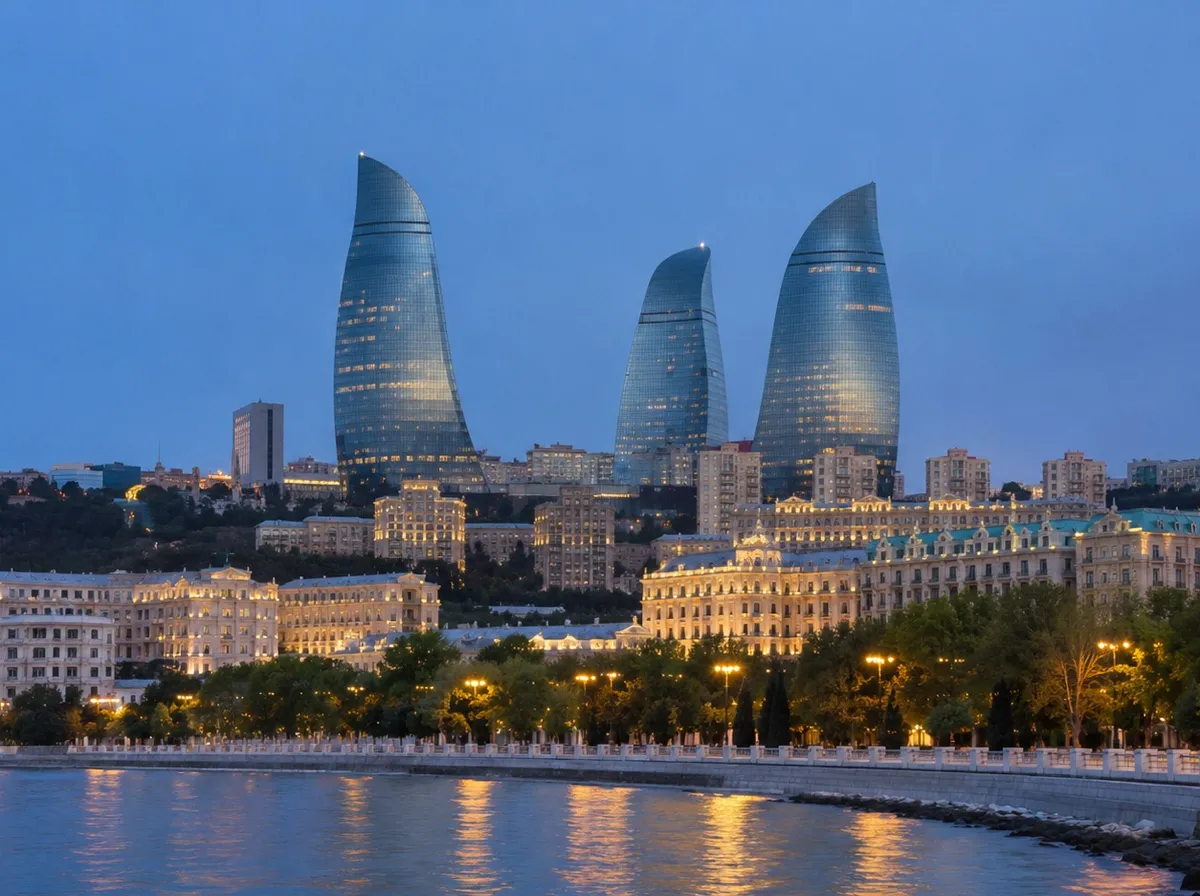
|
Baku |
Week 08, 2027 22 – 26 February 2027 |
1 Week | Onsite | €5,000 |
Frequently asked questions
When does this course next run?
The next date runs 23 – 27 November 2026 in Istanbul. It is one of 76 dates scheduled up to November 2027.
Where is this course held?
In a classroom in 54 cities: Istanbul, Chicago, Tbilisi, Amsterdam, Frankfurt, Cairo, Abu Dhabi, Dubai, and more. It is also scheduled as live online sessions.
Can I attend this course online?
Yes. One date is scheduled as a live online session: 6 – 10 September 2027, from €1,500 per participant.
How long is the course?
1 Week. Each date shows its start and end dates.
How much does the course cost?
Fees per participant run from €4,100 (Cairo) to €14,000 (San Diego) in a classroom, and from €1,500 live online. Each date shows its own fee.
What does this course cover?
OverviewCommunication-Led Conflict Resolution Practice Training Course is a one-week professional course for customer-facing professionals, supervisors, service coordinators, complaints staff, and employees who resolve disagreements and leave with a Constructive Dialogue Plan. Participants diagnose communication breakdowns, listen for interests, ask neutr…
Are training dates available?
Yes. Available dates and destinations are listed in the course dates section on this page.
How can I register?
Choose an available date on this page and complete the registration form, or send a programme enquiry.
Can I download the course brochure?
Yes. Use the brochure download link provided on this page.
Can this course be run for our team?
Yes. Tell us the number of participants and your preferred dates and city through our training request form.
This course by city
- Marketing, Customer Relations, and Sales Courses in Abu Dhabi
- Marketing, Customer Relations, and Sales Courses in Accra
- Marketing, Customer Relations, and Sales Courses in Addis Ababa
- Marketing, Customer Relations, and Sales Courses in Amman
- Marketing, Customer Relations, and Sales Courses in Amsterdam
- Marketing, Customer Relations, and Sales Courses in Athens
- Marketing, Customer Relations, and Sales Courses in Baku
- Marketing, Customer Relations, and Sales Courses in Bali
- Marketing, Customer Relations, and Sales Courses in Bangkok
- Marketing, Customer Relations, and Sales Courses in Barcelona
- Marketing, Customer Relations, and Sales Courses in Berlin
- Marketing, Customer Relations, and Sales Courses in Cairo
- Marketing, Customer Relations, and Sales Courses in Cape town
- Marketing, Customer Relations, and Sales Courses in Casablanca
- Marketing, Customer Relations, and Sales Courses in Chicago
- Marketing, Customer Relations, and Sales Courses in Doha
- Marketing, Customer Relations, and Sales Courses in Dubai
- Marketing, Customer Relations, and Sales Courses in Frankfurt
- Marketing, Customer Relations, and Sales Courses in Geneva
- Marketing, Customer Relations, and Sales Courses in Istanbul
- Marketing, Customer Relations, and Sales Courses in Jakarta
- Marketing, Customer Relations, and Sales Courses in Johannesburg
- Marketing, Customer Relations, and Sales Courses in Kuala Lumpur
- Marketing, Customer Relations, and Sales Courses in Kuwait
- Marketing, Customer Relations, and Sales Courses in Lagos
- Marketing, Customer Relations, and Sales Courses in Langkawi
- Marketing, Customer Relations, and Sales Courses in Lisbon
- Marketing, Customer Relations, and Sales Courses in London
- Marketing, Customer Relations, and Sales Courses in Madrid
- Marketing, Customer Relations, and Sales Courses in Manama
- Marketing, Customer Relations, and Sales Courses in Marbella
- Marketing, Customer Relations, and Sales Courses in Milan
- Marketing, Customer Relations, and Sales Courses in Montreux
- Marketing, Customer Relations, and Sales Courses in Munich
- Marketing, Customer Relations, and Sales Courses in Muscat
- Marketing, Customer Relations, and Sales Courses in Nairobi
- Marketing, Customer Relations, and Sales Courses in New York
- Marketing, Customer Relations, and Sales Courses in Nice
- Marketing, Customer Relations, and Sales Courses in Paris
- Marketing, Customer Relations, and Sales Courses in Phuket
- Marketing, Customer Relations, and Sales Courses in Porto
- Marketing, Customer Relations, and Sales Courses in Prague
- Marketing, Customer Relations, and Sales Courses in Rome
- Marketing, Customer Relations, and Sales Courses in San Diego
- Marketing, Customer Relations, and Sales Courses in Seoul
- Marketing, Customer Relations, and Sales Courses in Sharm El-Sheikh
- Marketing, Customer Relations, and Sales Courses in Singapore
- Marketing, Customer Relations, and Sales Courses in Tashkent
- Marketing, Customer Relations, and Sales Courses in Tbilisi
- Marketing, Customer Relations, and Sales Courses in Tokyo
- Marketing, Customer Relations, and Sales Courses in Toronto
- Marketing, Customer Relations, and Sales Courses in Trabzon
- Marketing, Customer Relations, and Sales Courses in Vienna
- Marketing, Customer Relations, and Sales Courses in Zanzibar
- Marketing, Customer Relations, and Sales Courses in Zoom
More ways to train
- Every date of this courseAll cities and months, with fees
- Marketing, Customer Relations, and Sales CoursesEvery course in this subject
- Live online coursesTrain from wherever you are
- Training citiesCourses in each city
- All upcoming datesThe course calendar by month
- Training for your teamTell us the course, the number of participants and your dates
- Contact usAsk us about this course