Is Building Rotating Equipment Reliability Skills Worth It?
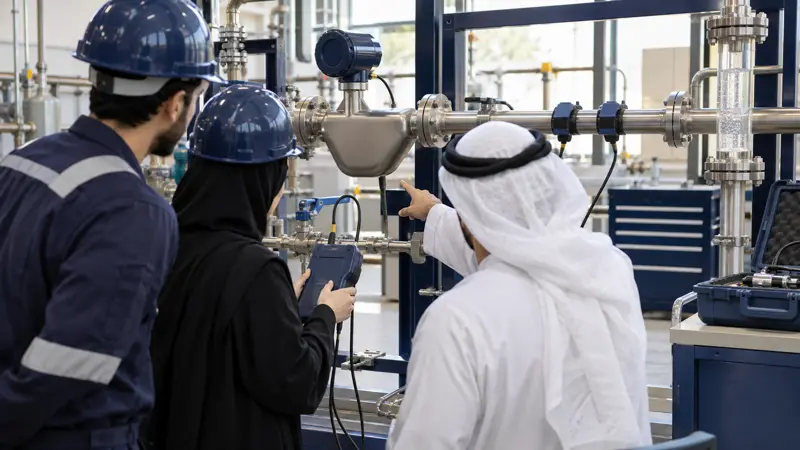
Rotating equipment and flow measurement keep oil and gas production running, and the people who maintain them need practical, hands-on skills, not just theory. This guide breaks do...
This 1-week course has 58 dates from November 2026 to November 2027 in 54 cities and live online. The next date runs 23 – 27 November 2026 in Amsterdam. Fees per participant run from €5,200 (Cairo) to €16,000 (Toronto) in a classroom, and from €3,000 live online.
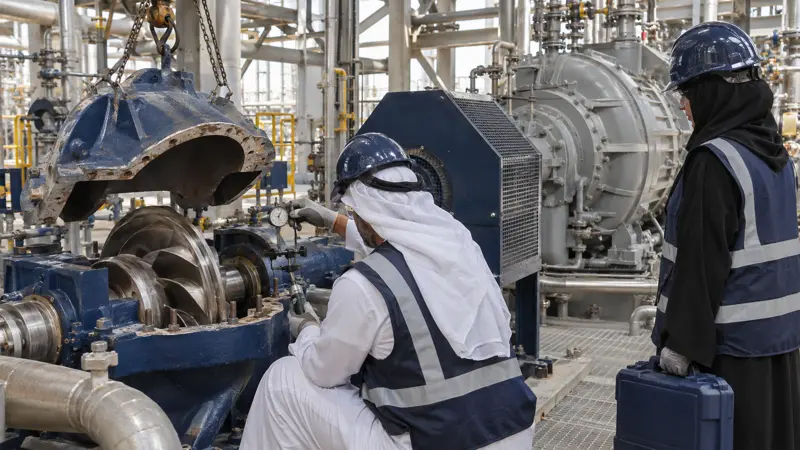
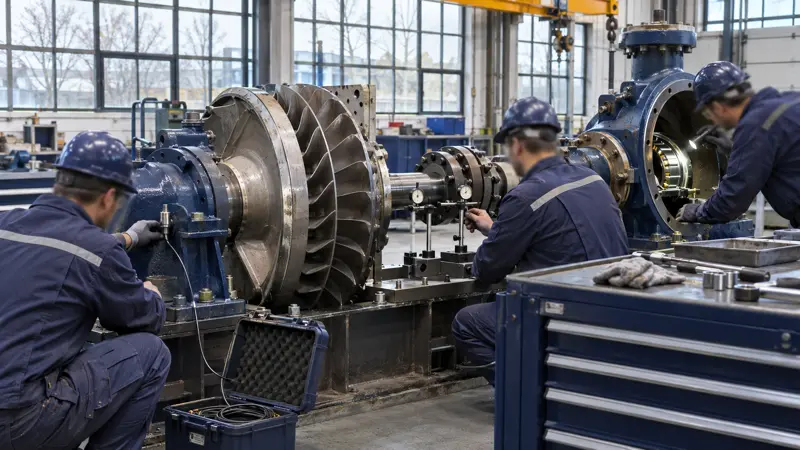
This specialized training course provides a practical and in-depth understanding of compressor and pump technology within oil and gas operations. The course is designed to help technical teams improve equipment reliability, reduce downtime, optimize performance, and apply effective maintenance and troubleshooting methods across critical rotating equipment.
Participants will explore the operating principles, selection criteria, performance behavior, failure modes, and maintenance requirements of reciprocating, rotary, centrifugal, and dynamic compressors and pumps. The course also highlights real operational challenges such as cavitation, surge, vibration, leakage, seal failure, lubrication issues, overheating, poor efficiency, and abnormal pressure or flow behavior.
Through technical discussions, real-world oil and gas case studies, diagnostic exercises, and practical problem-solving sessions, participants will learn how to detect faults early, interpret performance data, apply predictive maintenance techniques, and make better decisions related to equipment sizing, operation, inspection, and reliability improvement.
This course is ideal for professionals responsible for operating, maintaining, inspecting, or improving compressors and pumps in demanding industrial environments.
Participants will be able to:
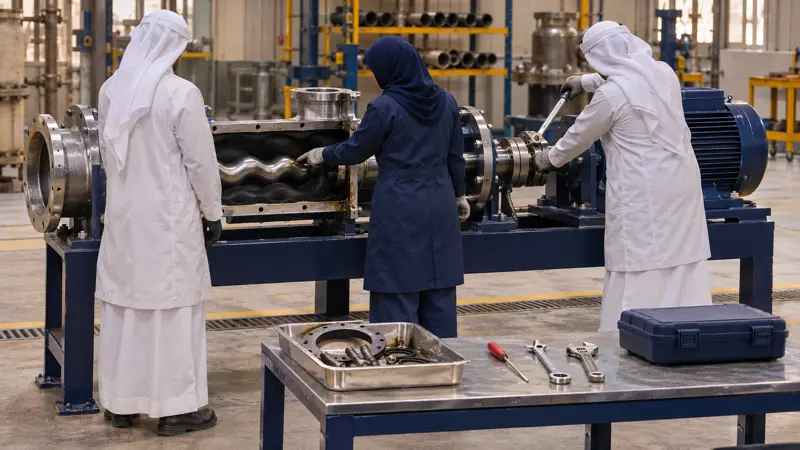
The training methodology combines technical instruction, real-world oil and gas case studies, equipment failure analysis, practical troubleshooting exercises, group discussions, and guided diagnostic activities. Participants will work through operational scenarios to connect theory with field application and develop practical decision-making skills for compressor and pump reliability.
This course is highly practical and designed specifically for oil and gas professionals who work with critical rotating equipment. Instead of focusing only on technical theory, it connects compressor and pump principles with real operational problems, maintenance decisions, troubleshooting methods, and reliability improvement practices.
Participants leave the course with practical checklists, diagnostic methods, selection criteria, and maintenance strategies they can apply directly in the field. The course supports safer operations, lower downtime, improved equipment performance, and better decision-making across operations, maintenance, and engineering teams.
credits: 5 credit per day
Course Mode: full-time
Provider: Agile Leaders Training Center
Amsterdam 23 – 27 November 2026
Milan 23 – 27 November 2026
Trabzon 29 November – 3 December 2026
Casablanca 30 November – 4 December 2026
Tbilisi 30 November – 4 December 2026
Langkawi 6 – 10 December 2026
Tashkent 6 – 10 December 2026
Vienna 7 – 11 December 2026
Bali 13 – 17 December 2026
Abu Dhabi 14 – 18 December 2026
Seoul 14 – 18 December 2026
Bangkok 20 – 24 December 2026
London 21 – 25 December 2026
Lisbon 21 – 25 December 2026
Marbella 3 – 7 January 2027
Toronto 18 – 22 April 2027
Addis Ababa 31 May – 4 June 2027
Munich 7 – 11 June 2027
Lagos 20 – 24 June 2027
Athens 28 June – 2 July 2027
Johannesburg 25 – 29 July 2027
Frankfurt 26 – 30 July 2027
Phuket 1 – 5 August 2027
Prague 9 – 13 August 2027
Chicago 15 – 19 August 2027
Barcelona 16 – 20 August 2027
Doha 22 – 26 August 2027
Rome 23 – 27 August 2027
Dubai 30 August – 3 September 2027
San Diego 30 August – 3 September 2027
Berlin 30 August – 3 September 2027
Kuwait 5 – 9 September 2027
Paris 6 – 10 September 2027
New York 6 – 10 September 2027
Zanzibar 12 – 16 September 2027
Zoom 13 – 17 September 2027
Abu Dhabi 27 September – 1 October 2027
Accra 27 September – 1 October 2027
Nairobi 3 – 7 October 2027
Cairo 4 – 8 October 2027
Kuala Lumpur 4 – 8 October 2027
London 11 – 15 October 2027
Jakarta 11 – 15 October 2027
Cape town 17 – 21 October 2027
Istanbul 18 – 22 October 2027
Manama 24 – 28 October 2027
Baku 25 – 29 October 2027
Geneva 31 October – 4 November 2027
Dubai 1 – 5 November 2027
Porto 1 – 5 November 2027
Amman 7 – 11 November 2027
Madrid 8 – 12 November 2027
Nice 8 – 12 November 2027
Sharm El-Sheikh 15 – 19 November 2027
Montreux 15 – 19 November 2027
Singapore 15 – 19 November 2027
Muscat 21 – 25 November 2027
Tokyo 22 – 26 November 2027
| Image | Location | Dates | Duration | Mode | Price | Actions |
|---|---|---|---|---|---|---|

|
Amsterdam |
Week 48, 2026 23 – 27 November 2026 |
1 Week | Onsite | €6,500 | |

|
Milan |
Week 48, 2026 23 – 27 November 2026 |
1 Week | Onsite | €7,000 | |
|
Trabzon |
Week 48, 2026 29 November – 3 December 2026 |
1 Week | Onsite | €8,000 | |
|
Casablanca |
Week 49, 2026 30 November – 4 December 2026 |
1 Week | Onsite | €6,000 | |

|
Tbilisi |
Week 49, 2026 30 November – 4 December 2026 |
1 Week | Onsite | €5,700 | |

|
Langkawi |
Week 49, 2026 6 – 10 December 2026 |
1 Week | Onsite | €8,000 | |

|
Tashkent |
Week 49, 2026 6 – 10 December 2026 |
1 Week | Onsite | €8,000 | |

|
Vienna |
Week 50, 2026 7 – 11 December 2026 |
1 Week | Onsite | €7,500 | |

|
Bali |
Week 50, 2026 13 – 17 December 2026 |
1 Week | Onsite | €6,500 | |
|
Abu Dhabi |
Week 51, 2026 14 – 18 December 2026 |
1 Week | Onsite | €6,500 | |

|
Seoul |
Week 51, 2026 14 – 18 December 2026 |
1 Week | Onsite | €12,000 | |

|
Bangkok |
Week 51, 2026 20 – 24 December 2026 |
1 Week | Onsite | €8,000 | |

|
London |
Week 52, 2026 21 – 25 December 2026 |
1 Week | Onsite | €6,500 | |

|
Lisbon |
Week 52, 2026 21 – 25 December 2026 |
1 Week | Onsite | €6,500 | |

|
Marbella |
Week 53, 2027 3 – 7 January 2027 |
1 Week | Onsite | €6,500 | |

|
Toronto |
Week 15, 2027 18 – 22 April 2027 |
1 Week | Onsite | €16,000 | |

|
Addis Ababa |
Week 22, 2027 31 May – 4 June 2027 |
1 Week | Onsite | €6,000 | |

|
Munich |
Week 23, 2027 7 – 11 June 2027 |
1 Week | Onsite | €6,500 | |
|
Lagos |
Week 24, 2027 20 – 24 June 2027 |
1 Week | Onsite | €6,000 | |

|
Athens |
Week 26, 2027 28 June – 2 July 2027 |
1 Week | Onsite | €7,500 |
The next date runs 23 – 27 November 2026 in Amsterdam. It is one of 58 dates scheduled up to November 2027.
In a classroom in 54 cities: Amsterdam, Milan, Trabzon, Casablanca, Tbilisi, Langkawi, Tashkent, Vienna, and more. It is also scheduled as live online sessions.
Yes. One date is scheduled as a live online session: 13 – 17 September 2027, from €3,000 per participant.
1 Week. Each date shows its start and end dates.
Fees per participant run from €5,200 (Cairo) to €16,000 (Toronto) in a classroom, and from €3,000 live online. Each date shows its own fee.
Yes. Available dates and destinations are listed in the course dates section on this page.
Choose an available date on this page and complete the registration form, or send a programme enquiry.
Yes. Use the brochure download link provided on this page.
Yes. Tell us the number of participants and your preferred dates and city through our training request form.
Rotating equipment and flow measurement keep oil and gas production running, and the people who maintain them need practical, hands-on skills, not just theory. This guide breaks do...