Industrial Refractory Lifecycle Management Course
At a glance
- Duration
- 5 days
- Format
- Classroom
- Cities
- Manama, Phuket, Istanbul, Amman, Bangkok, Trabzon and more
- Next session
- 18 – 22 October 2026, Manama
- Average fee
- 7,550 €
Overview
Industrial Refractory Lifecycle Management Course is a five-day intermediate course for refractory, maintenance, reliability, inspection, project, shutdown, contracting, and operations teams who leave with a Refractory Lifecycle Management Plan. Participants connect service conditions, lining design, material selection, anchors, joints, installation controls, dry-out, inspection, failure analysis, maintenance, and repair. The course converts isolated technical activities into controlled lifecycle decisions for high-temperature equipment. Agile Leaders Training Center presents industrial refractory lifecycle management through traceable engineering and quality controls.
Who Should Attend
- Teams responsible for refractory lining design and material selection
- Functions planning shutdowns, installation work, maintenance, and reliability
- Personnel inspecting refractory materials, workmanship, and in-service condition
- Groups coordinating contractors, applicators, testing, and repair activities
- Operations teams managing furnaces, kilns, reactors, boilers, and hot-process equipment
The course assumes participants can interpret equipment drawings, material data sheets, inspection records, and work procedures, and it leaves out proprietary product approval, detailed vessel design, and certification examination preparation.
Departments and Industries
The course supports departments and industries responsible for refractory-lined equipment performance and maintenance.
- Maintenance, reliability, inspection, and asset integrity
- Mechanical engineering, projects, shutdowns, and quality management
- Refining, petrochemicals, metals, cement, glass, and power generation
- Industrial furnaces, boilers, kilns, reactors, stacks, and transfer systems
- Contracting, refractory application, testing, and technical services
Learning Objectives
By the end of this course, participants will be able to:
- Analyze service conditions and define a refractory design basis
- Compare refractory materials, lining configurations, anchors, and joints
- Apply installation, curing, dry-out, and quality-control requirements
- Use inspection and testing evidence to classify lining condition
- Diagnose failure mechanisms and prioritize maintenance responses
- Build a Refractory Lifecycle Management Plan
Course Agenda
Day 1: Service Conditions and Design Basis
- Hot-Process Duty and Exposure Profile
- Thermal, Mechanical, Chemical, and Abrasion Load Matrix
- Refractory Function and Performance Requirement Map
- Lining Configuration and Thickness Decision Guide
- Refractory Design Basis Document
Day 2: Materials, Anchors, and Joints
- Refractory Material Property Selection Matrix
- Monolithic, Brick, and Fiber System Comparison
- Anchor Material, Pattern, and Welding Control
- Expansion Joint and Interface Detail Checklist
- Material Qualification and Storage Control Plan
Day 3: Installation and Dry-Out Control
- Installation Inspection and Test Plan
- Mixing, Water Addition, and Workability Record
- Casting, Gunning, Ramming, and Brickwork Method Controls
- Curing, Venting, and Dry-Out Schedule
- As-Installed Testing and Quality Dossier
Day 4: Inspection, Failure, and Repair
- In-Service Refractory Condition Survey
- Defect Classification and Damage Map
- Thermal Spalling, Erosion, and Chemical Attack Analysis
- API Standard 982 Inspection and Assessment Path
- Repair Scope and Maintenance Priority Matrix
Day 5: Refractory Lifecycle Practice
- Exercise: Build a Service Duty and Design Basis
- Exercise: Select a Lining, Anchor, and Joint System
- Exercise: Review Installation and Dry-Out Records
- Exercise: Diagnose Damage and Define a Repair Scope
- Capstone Exercise: Refractory Lifecycle Management Plan
Practical Exercises
The course uses suggested activities to connect refractory engineering decisions with field controls and maintenance evidence.
- Suggested activity: define service loads, lining functions, configuration constraints, and acceptance criteria for a furnace or kiln scenario.
- Suggested activity: compare material properties, anchoring, joints, storage, mixing, and installation controls for a selected lining system.
- Suggested activity: classify cracking, spalling, erosion, chemical attack, and anchorage damage from inspection evidence.
- Suggested activity: integrate design basis, quality records, dry-out, condition findings, maintenance, and repair actions in a Refractory Lifecycle Management Plan.
FAQs
Who suits the industrial refractory lifecycle management course and what does it assume?
It suits teams designing, installing, inspecting, operating, maintaining, or repairing refractory-lined equipment and assumes they can interpret equipment drawings, material data, work procedures, and inspection records.
How does refractory lifecycle management differ from refractory materials training?
Refractory lifecycle management links material behavior to design, installation, quality control, dry-out, condition assessment, maintenance, and repair, while refractory materials training concentrates on composition, properties, manufacture, and laboratory characterization.
How are refractory lining materials selected?
Refractory lining materials are selected by matching temperature, thermal cycling, mechanical load, abrasion, chemical exposure, installation method, geometry, anchoring, joints, maintainability, and required performance.
What should a refractory installation inspection plan control?
A refractory installation inspection plan should control material identification, storage, qualification, substrate condition, anchors, mixing, water addition, placement, joints, curing, samples, testing, repairs, dry-out, and records.
How is refractory damage assessed for repair?
Refractory damage is assessed by mapping location and extent, identifying the mechanism, reviewing service and installation history, checking anchors and interfaces, judging functional impact, and defining an appropriate repair scope.
Conclusion
Participants take back a Refractory Lifecycle Management Plan linking service duty, design basis, materials, anchors, joints, installation, dry-out, inspection, failure analysis, maintenance, and repair. It changes disconnected records into traceable acceptance and intervention decisions. The plan supports coordinated equipment care without replacing detailed engineering, specialist testing, or site authorization.
credits: 5 credit per day
Course Mode: full-time
Provider: Agile Leaders Training Center
-
Events for this Course
-
Manama 18 – 22 October 2026
-
Phuket 25 – 29 October 2026
-
Istanbul 9 – 13 November 2026
-
Zoom 16 – 20 November 2026
-
Amman 22 – 26 November 2026
-
Bangkok 29 November – 3 December 2026
-
Trabzon 6 – 10 December 2026
-
Milan 7 – 11 December 2026
-
Accra 13 – 17 December 2026
-
Sharm El-Sheikh 14 – 18 December 2026
-
Bali 20 – 24 December 2026
-
Vienna 21 – 25 December 2026
-
Doha 27 – 31 December 2026
-
Langkawi 27 – 31 December 2026
-
Dubai 18 – 22 January 2027
-
Marbella 31 January – 4 February 2027
-
Toronto 7 – 11 February 2027
-
Tashkent 14 – 18 February 2027
-
Berlin 1 – 5 March 2027
-
Singapore 8 – 12 March 2027
-
Abu Dhabi 15 – 19 March 2027
-
Chicago 21 – 25 March 2027
-
Montreux 29 March – 2 April 2027
-
Baku 5 – 9 April 2027
-
New York 5 – 9 April 2027
-
Geneva 11 – 15 April 2027
-
Kuala Lumpur 19 – 23 April 2027
-
London 26 – 30 April 2027
-
Madrid 3 – 7 May 2027
-
Frankfurt 3 – 7 May 2027
-
Munich 17 – 21 May 2027
-
Abu Dhabi 24 – 28 May 2027
-
Zanzibar 30 May – 3 June 2027
-
Jakarta 7 – 11 June 2027
-
London 21 – 25 June 2027
-
Lisbon 21 – 25 June 2027
-
Tokyo 5 – 9 July 2027
-
Seoul 5 – 9 July 2027
-
Nairobi 11 – 15 July 2027
-
Casablanca 19 – 23 July 2027
-
Prague 26 – 30 July 2027
-
Amsterdam 9 – 13 August 2027
-
San Diego 16 – 20 August 2027
-
Muscat 22 – 26 August 2027
-
Dubai 23 – 27 August 2027
-
Rome 30 August – 3 September 2027
-
Cape town 5 – 9 September 2027
-
Barcelona 6 – 10 September 2027
-
Athens 13 – 17 September 2027
-
Johannesburg 19 – 23 September 2027
-
Paris 20 – 24 September 2027
-
Kuwait 26 – 30 September 2027
-
Tbilisi 27 September – 1 October 2027
-
Porto 4 – 8 October 2027
-
Cairo 11 – 15 October 2027
-
Nice 11 – 15 October 2027
| Image | Location | Dates | Duration | Mode | Price | Actions |
|---|---|---|---|---|---|---|

|
Prague |
Week 30, 2027 26 – 30 July 2027 |
5 Days | Onsite | €7,500 | |

|
Amsterdam |
Week 32, 2027 9 – 13 August 2027 |
5 Days | Onsite | €6,500 | |

|
San Diego |
Week 33, 2027 16 – 20 August 2027 |
5 Days | Onsite | €16,000 | |

|
Muscat |
Week 33, 2027 22 – 26 August 2027 |
5 Days | Onsite | €6,500 | |

|
Dubai |
Week 34, 2027 23 – 27 August 2027 |
5 Days | Onsite | €6,500 | |

|
Rome |
Week 35, 2027 30 August – 3 September 2027 |
5 Days | Onsite | €6,500 | |

|
Cape town |
Week 35, 2027 5 – 9 September 2027 |
5 Days | Onsite | €6,000 | |

|
Barcelona |
Week 36, 2027 6 – 10 September 2027 |
5 Days | Onsite | €6,500 | |

|
Athens |
Week 37, 2027 13 – 17 September 2027 |
5 Days | Onsite | €7,500 | |
|
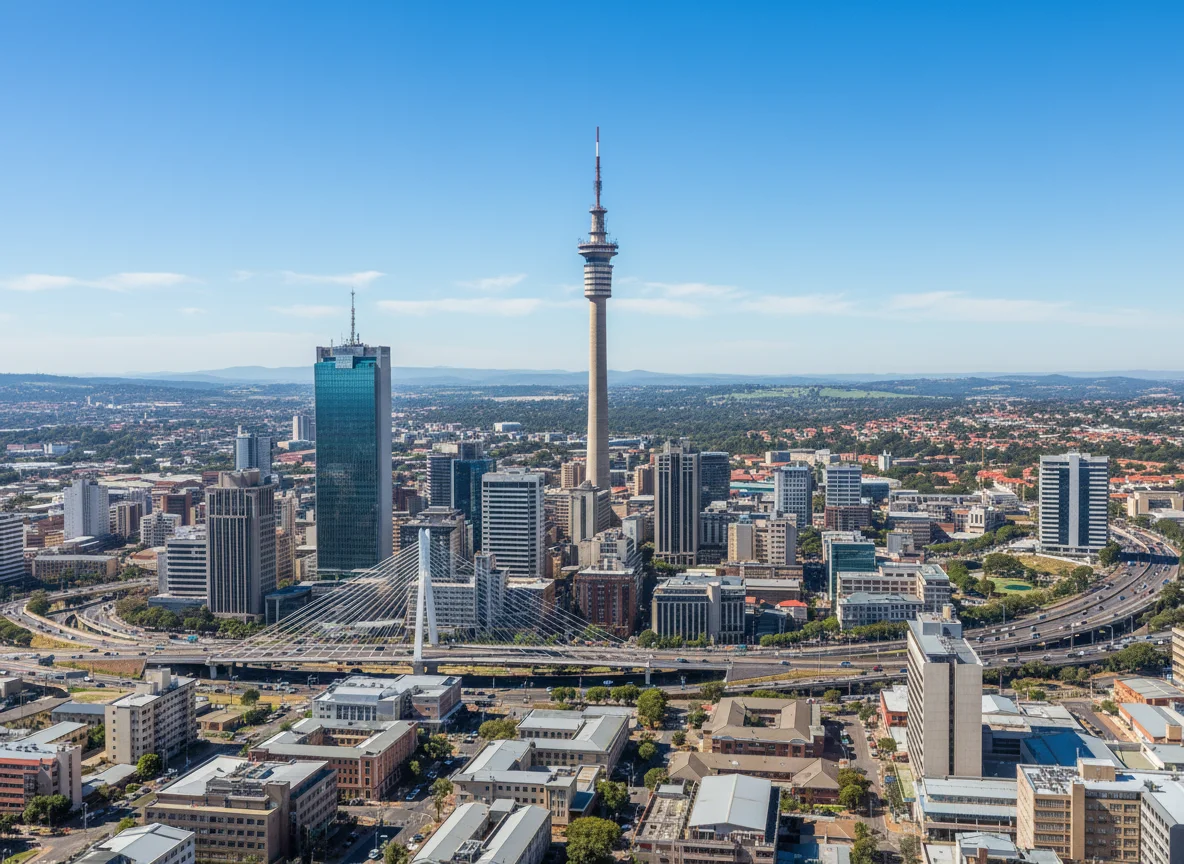
Johannesburg |
Week 37, 2027 19 – 23 September 2027 |
5 Days | Onsite | €6,000 | |

|
Paris |
Week 38, 2027 20 – 24 September 2027 |
5 Days | Onsite | €6,500 | |

|
Kuwait |
Week 38, 2027 26 – 30 September 2027 |
5 Days | Onsite | €7,000 | |
|
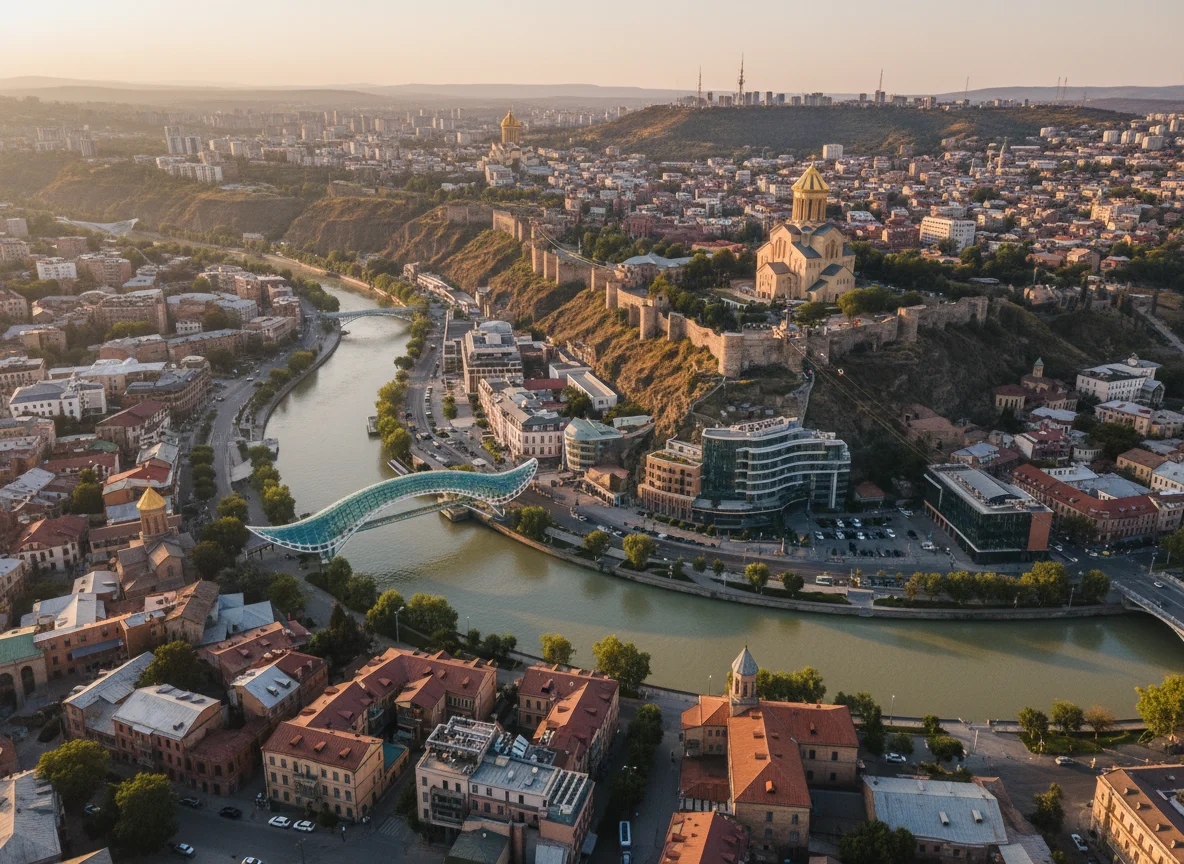
Tbilisi |
Week 39, 2027 27 September – 1 October 2027 |
5 Days | Onsite | €5,700 | |

|
Porto |
Week 40, 2027 4 – 8 October 2027 |
5 Days | Onsite | €6,500 | |

|
Cairo |
Week 41, 2027 11 – 15 October 2027 |
5 Days | Onsite | €5,200 | |

|
Nice |
Week 41, 2027 11 – 15 October 2027 |
5 Days | Onsite | €8,000 |
Frequently asked questions
What does this course cover?
OverviewIndustrial Refractory Lifecycle Management Course is a five-day intermediate course for refractory, maintenance, reliability, inspection, project, shutdown, contracting, and operations teams who leave with a Refractory Lifecycle Management Plan. Participants connect service conditions, lining design, material selection, anchors, joints, installati…
Are training dates available?
Yes. Available dates and destinations are listed in the course dates section on this page.
How can I register?
Choose an available date on this page and complete the registration form, or send a programme enquiry.
Can I download the course brochure?
Yes. Use the brochure download link provided on this page.
This course by city
- Maintenance Training and Engineering Training Courses in Abu Dhabi
- Maintenance Training and Engineering Training Courses in Accra
- Maintenance Training and Engineering Training Courses in Amman
- Maintenance Training and Engineering Training Courses in Amsterdam
- Maintenance Training and Engineering Training Courses in Athens
- Maintenance Training and Engineering Training Courses in Baku
- Maintenance Training and Engineering Training Courses in Bali
- Maintenance Training and Engineering Training Courses in Bangkok
- Maintenance Training and Engineering Training Courses in Barcelona
- Maintenance Training and Engineering Training Courses in Berlin
- Maintenance Training and Engineering Training Courses in Cairo
- Maintenance Training and Engineering Training Courses in Cape town
- Maintenance Training and Engineering Training Courses in Casablanca
- Maintenance Training and Engineering Training Courses in Chicago
- Maintenance Training and Engineering Training Courses in Doha
- Maintenance Training and Engineering Training Courses in Dubai
- Maintenance Training and Engineering Training Courses in Frankfurt
- Maintenance Training and Engineering Training Courses in Geneva
- Maintenance Training and Engineering Training Courses in Istanbul
- Maintenance Training and Engineering Training Courses in Jakarta
- Maintenance Training and Engineering Training Courses in Johannesburg
- Maintenance Training and Engineering Training Courses in Kuala Lumpur
- Maintenance Training and Engineering Training Courses in Kuwait
- Maintenance Training and Engineering Training Courses in Langkawi
- Maintenance Training and Engineering Training Courses in Lisbon
- Maintenance Training and Engineering Training Courses in London
- Maintenance Training and Engineering Training Courses in Madrid
- Maintenance Training and Engineering Training Courses in Manama
- Maintenance Training and Engineering Training Courses in Marbella
- Maintenance Training and Engineering Training Courses in Milan
- Maintenance Training and Engineering Training Courses in Montreux
- Maintenance Training and Engineering Training Courses in Munich
- Maintenance Training and Engineering Training Courses in Muscat
- Maintenance Training and Engineering Training Courses in Nairobi
- Maintenance Training and Engineering Training Courses in New York
- Maintenance Training and Engineering Training Courses in Nice
- Maintenance Training and Engineering Training Courses in Paris
- Maintenance Training and Engineering Training Courses in Phuket
- Maintenance Training and Engineering Training Courses in Porto
- Maintenance Training and Engineering Training Courses in Prague
- Maintenance Training and Engineering Training Courses in Rome
- Maintenance Training and Engineering Training Courses in San Diego
- Maintenance Training and Engineering Training Courses in Seoul
- Maintenance Training and Engineering Training Courses in Sharm El-Sheikh
- Maintenance Training and Engineering Training Courses in Singapore
- Maintenance Training and Engineering Training Courses in Tashkent
- Maintenance Training and Engineering Training Courses in Tbilisi
- Maintenance Training and Engineering Training Courses in Tokyo
- Maintenance Training and Engineering Training Courses in Toronto
- Maintenance Training and Engineering Training Courses in Trabzon
- Maintenance Training and Engineering Training Courses in Vienna
- Maintenance Training and Engineering Training Courses in Zanzibar
- Maintenance Training and Engineering Training Courses in Zoom