Strategic Business Planning & Quality Improvement
At a glance
- Duration
- 2 Weeks
- Format
- Classroom
- Cities
- Tashkent, Bangkok, Trabzon, Bali, New York, Porto and more
- Next session
- 18 – 29 October 2026, Tashkent
- Average fee
- 9,850 €
Overview
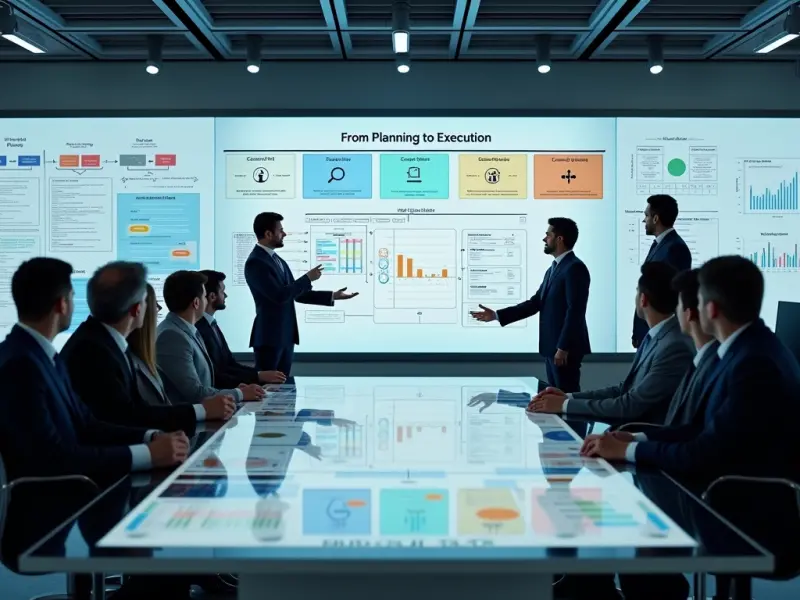
Enterprise resilience depends on bridging commercial vision with rigorous execution methodologies. The Strategic Business Planning & Quality Improvement executive masterclass spans ten intensive working days to unify commercial business strategy with Total Quality Management principles, ISO 9001:2015 frameworks, and Lean Six Sigma toolkits. Corporate planners and operational heads examine how to construct resilient corporate models, eliminate procedural variance, and establish sustainable performance controls across complex workflows. This masterclass is delivered by Agile Leaders Training Center.
Who Should Attend
- Executive directors and corporate development leads steering two-week capability transformation roadmaps.
- Senior operations leaders aiming to merge corporate strategy with Lean Six Sigma execution methods.
- Quality directors, governance specialists, and audit leads standardizing cross-functional performance architectures.
- Enterprise analysts and commercial strategists linking financial projections to shop-floor defect prevention.
- Plant directors, transformation officers, and continuous improvement program champions.
Departments and Industries
This two-week curriculum serves functional leaders across multi-tier corporate divisions and competitive manufacturing and service ecosystems.
- Corporate Strategy and Enterprise Portfolio Offices
- Operations Transformation and Continuous Improvement Teams
- Quality Governance, Assurance, and Standards Directorates
- Industrial Manufacturing, Precision Engineering, and Automotive Assemblies
- Healthcare Networks, Pharmaceutical Realization, and Technology Services
Learning Objectives
By the end of this course, participants will be able to:
- Formulate two-week strategic roadmaps integrating Total Quality Management principles and commercial milestones.
- Deploy the Lean Six Sigma DMAIC framework to diagnose root causes and eliminate enterprise waste.
- Embed ISO 9001:2015 clauses into daily departmental workflows and procedural governance matrices.
- Construct robust financial viability models featuring break-even metrics and capital payback forecasts.
- Produce cross-functional value stream mapping architectures that enhance workflow velocity and customer value.
- Present data-backed business cases and operational investment briefs to executive steering committees.
Course Agenda
Day 1: Strategic Direction and Total Quality Culture
- Foundations of commercial business strategy and quality system convergence
- Formulating corporate purpose, strategic pillars, and governance mandates
- Core tenets of Total Quality Management and executive sponsorship dynamics
- Leadership behaviors required to foster defect-prevention cultures
- Aligning high-level enterprise goals with departmental operational scorecards
- Diagnostic evaluation of corporate maturity and execution readiness
Day 2: Market Dynamics, Value Propositions, and Model Design
- External environment scanning applying PESTEL and industry competitive force matrices
- Voice of the Customer capture methods and stakeholder priority matrix design
- Constructing and validating multi-segment Business Model Canvases
- Defining sustainable competitive advantages through service and product excellence
- Synthesizing market intelligence into measurable operational requirements
- Workshop on testing business model viability against economic disruptions
Day 3: Standards Architecture and ISO 9001 Integration
- Interpreting the High-Level Structure across modern governance standards
- Implementing core clauses and procedural requirements of ISO 9001:2015
- Drafting standard operating documentation, policies, and procedural flowcharts
- Designing internal audit regimens, evidence registries, and corrective action workflows
- Supplier qualification mechanisms and procurement control governance
- Translating standard requirements into daily functional accountability
Day 4: Operational Business Plan Construction
- Structuring investor-ready business plans with technical delivery schedules
- Establishing SMART departmental targets aligned with multi-year milestone tables
- Resource capacity planning, technology acquisition, and capital expenditure phasing
- Designing commercial risk registers and enterprise risk mitigation blueprints
- Establishing stage-gate review criteria for new product and service rollouts
- Practical clinic on refining business plan components and operational assumptions
Day 5: Quality Assurance and Quality Control Systems
- Delineating functional mandates between quality assurance and verification control
- Designing in-line inspection gates, sensory checks, and product acceptance criteria
- Root cause prevention versus reactive inspection across production pipelines
- Distributed accountability models across decentralized operating departments
- Establishing nonconformance quarantine protocols and deviation escalation thresholds
- Case evaluation on transforming reactive inspection into proactive assurance
Day 6: Lean Thinking and Six Sigma DMAIC Deployment
- Principles of Lean thinking, customer-defined value, and flow optimization
- Diagnosing and removing the eight forms of enterprise waste: Muda, Mura, and Muri
- Navigating the Lean Six Sigma DMAIC framework: Define, Measure, Analyze, Improve, Control
- Root cause investigation utilizing 5-Why analysis, Pareto charts, and Ishikawa fishbone diagrams
- Statistical variance tracking using histograms, process capability indices, and control charts
- Applied workshop on resolving systemic operational bottlenecks
Day 7: Performance Measurement and Value Stream Architecture
- End-to-end value stream mapping for production lines and administrative cycles
- Calculating takt time, cycle duration, lead time, and overall equipment effectiveness
- Designing the corporate Balanced Scorecard across customer, operational, and financial dimensions
- Aligning operational productivity metrics with executive reporting dashboards
- Eliminating information silos between commercial sales teams and delivery units
- Simulation exercise on re-engineering high-friction operational workflows
Day 8: Financial Modeling and Return on Investment
- Financial architecture for business plans: operating expenditure and capital outlays
- Calculating break-even points, net present value, and internal rate of return
- Cost of Quality classification: prevention, appraisal, internal, and external failure costs
- Budgeting methodologies for continuous improvement and quality infrastructure investments
- Building sensitivity scenarios to evaluate operational risk exposures
- Practical exercise on drafting financial justifications for process upgrades
Day 9: Stakeholder Communication and Business Case Defense
- Structuring compelling operational business cases for executive approval
- Data visualization techniques for communicating statistical variance and capacity metrics
- Techniques for managing stakeholder resistance and cross-functional friction
- Conducting financial and operational due-diligence pitch simulations
- Peer-reviewed proposal defense sessions with quantitative evaluation rubrics
- Feedback clinics on refining leadership presence and message clarity
Day 10: Execution Roadmaps, Quality 4.0, and Long-Term Maturity
- Translating strategic business plans into departmental execution charters
- Developing agile Plan-Do-Check-Act review cadences and steering committee rituals
- Introduction to Quality 4.0: automated inspection, digital workflows, and sensor telemetry
- Building permanent continuous improvement competencies across workforce tiers
- Finalizing individual enterprise implementation roadmaps and performance commitments
- Consolidation of program outcomes and presentation of executive action roadmaps
FAQs
What distinguishes this two-week masterclass from shorter executive quality seminars?
This masterclass provides ten full days of comprehensive instruction, blending commercial planning architectures with deep technical execution in TQM, ISO 9001 frameworks, and Lean Six Sigma disciplines. The extended duration allows participants to construct practical business plans, build financial models, map value streams, and simulate operational defenses.
Are there mandatory prerequisites for enrollment in this course?
There are no formal prerequisites. The program is designed for enterprise planners, operations leaders, quality directors, and senior functional managers. Working familiarity with standard business operations and departmental workflows ensures an optimal learning experience.
How are Lean Six Sigma and ISO 9001 integrated during the sessions?
ISO 9001 provides the systemic governance architecture, standard procedures, and quality policies required for enterprise consistency. Lean Six Sigma provides the analytical tools and DMAIC frameworks required to eliminate waste and reduce variation within those standardized workflows, ensuring that corporate strategy yields concrete efficiency gains.
Conclusion
Mastering commercial planning alongside rigorous operational standards enables leaders to transform strategic vision into sustained enterprise excellence. Participants conclude this two-week intensive masterclass equipped to author executable business roadmaps, maintain resilient management systems, and direct continuous improvement programs that elevate market competitiveness and operational performance.
credits: 5 credit per day
Course Mode: full-time
Provider: Agile Leaders Training Center
-
Events for this Course
-
Tashkent 18 – 29 October 2026
-
Bangkok 25 October – 5 November 2026
-
Trabzon 1 – 12 November 2026
-
Bali 15 – 26 November 2026
-
New York 30 November – 11 December 2026
-
Porto 7 – 18 December 2026
-
Cape town 13 – 24 December 2026
-
Cairo 13 – 24 December 2026
-
Dubai 14 – 25 December 2026
-
Prague 21 December 2026 – 1 January 2027
-
Abu Dhabi 21 December 2026 – 1 January 2027
-
Rome 28 December 2026 – 8 January 2027
-
Madrid 28 December 2026 – 8 January 2027
-
Casablanca 4 – 15 January 2027
-
Kuwait 10 – 21 January 2027
-
Tbilisi 11 – 22 January 2027
-
Manama 17 – 28 January 2027
-
Dubai 18 – 29 January 2027
-
Toronto 24 January – 4 February 2027
-
Cairo 25 January – 5 February 2027
-
Doha 31 January – 11 February 2027
-
Vienna 1 – 12 February 2027
-
Amman 7 – 18 February 2027
-
Istanbul 8 – 19 February 2027
-
Berlin 8 – 19 February 2027
-
Barcelona 15 – 26 February 2027
-
Rome 22 February – 5 March 2027
-
London 1 – 12 March 2027
-
Amsterdam 8 – 19 March 2027
-
Tokyo 15 – 26 March 2027
-
San Diego 15 – 26 March 2027
-
Madrid 22 March – 2 April 2027
-
Nice 22 March – 2 April 2027
-
Baku 29 March – 9 April 2027
-
Lisbon 29 March – 9 April 2027
-
Milan 5 – 16 April 2027
-
Sharm El-Sheikh 12 – 23 April 2027
-
Athens 12 – 23 April 2027
-
Zanzibar 18 – 29 April 2027
-
Paris 19 – 30 April 2027
-
Langkawi 25 April – 6 May 2027
-
Marbella 25 April – 6 May 2027
-
Kuala Lumpur 26 April – 7 May 2027
-
Dubai 3 – 14 May 2027
-
Jakarta 3 – 14 May 2027
-
Frankfurt 10 – 21 May 2027
-
Geneva 16 – 27 May 2027
-
Zoom 17 – 28 May 2027
-
Singapore 17 – 28 May 2027
-
Accra 23 May – 3 June 2027
-
Cairo 24 May – 4 June 2027
-
Amsterdam 31 May – 11 June 2027
-
Istanbul 7 – 18 June 2027
-
London 14 – 25 June 2027
-
Kuala Lumpur 21 June – 2 July 2027
-
Abu Dhabi 21 June – 2 July 2027
-
Dubai 28 June – 9 July 2027
-
Barcelona 5 – 16 July 2027
-
Johannesburg 11 – 22 July 2027
-
Montreux 19 – 30 July 2027
-
Vienna 26 July – 6 August 2027
-
Milan 26 July – 6 August 2027
-
Phuket 1 – 12 August 2027
-
London 9 – 20 August 2027
-
Abu Dhabi 16 – 27 August 2027
-
Manama 22 August – 2 September 2027
-
Paris 23 August – 3 September 2027
-
Nairobi 29 August – 9 September 2027
-
Amsterdam 6 – 17 September 2027
-
Munich 6 – 17 September 2027
-
Seoul 13 – 24 September 2027
-
Dubai 19 – 30 September 2027
-
Muscat 26 September – 7 October 2027
-
Chicago 10 – 21 October 2027
-
London 11 – 22 October 2027
-
Abu Dhabi 18 – 29 October 2027
| Image | Location | Dates | Duration | Mode | Price | Actions |
|---|---|---|---|---|---|---|

|
Tashkent |
Week 42, 2026 18 – 29 October 2026 |
2 Weeks | Onsite | €9,000 | |
|
Bangkok |
Week 43, 2026 25 October – 5 November 2026 |
2 Weeks | Onsite | €9,000 | |
|
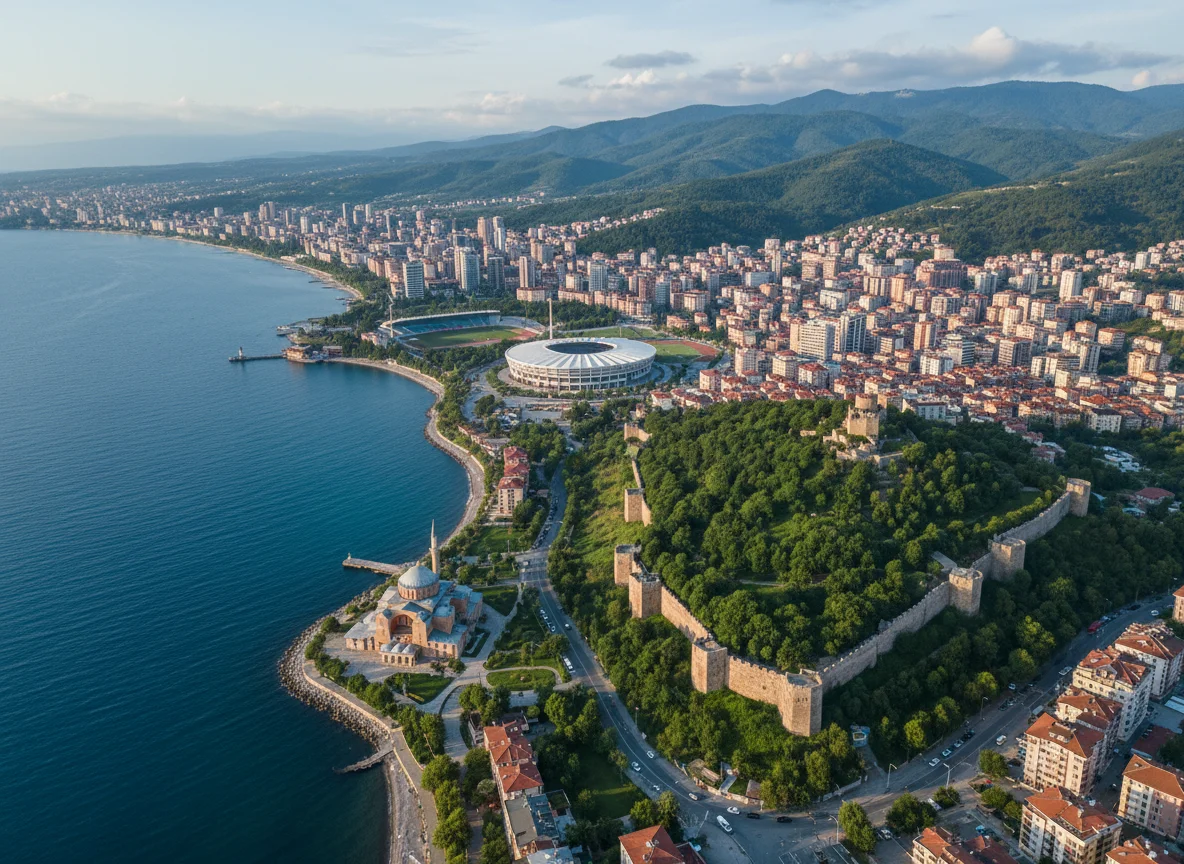
Trabzon |
Week 44, 2026 1 – 12 November 2026 |
2 Weeks | Onsite | €10,000 | |
|
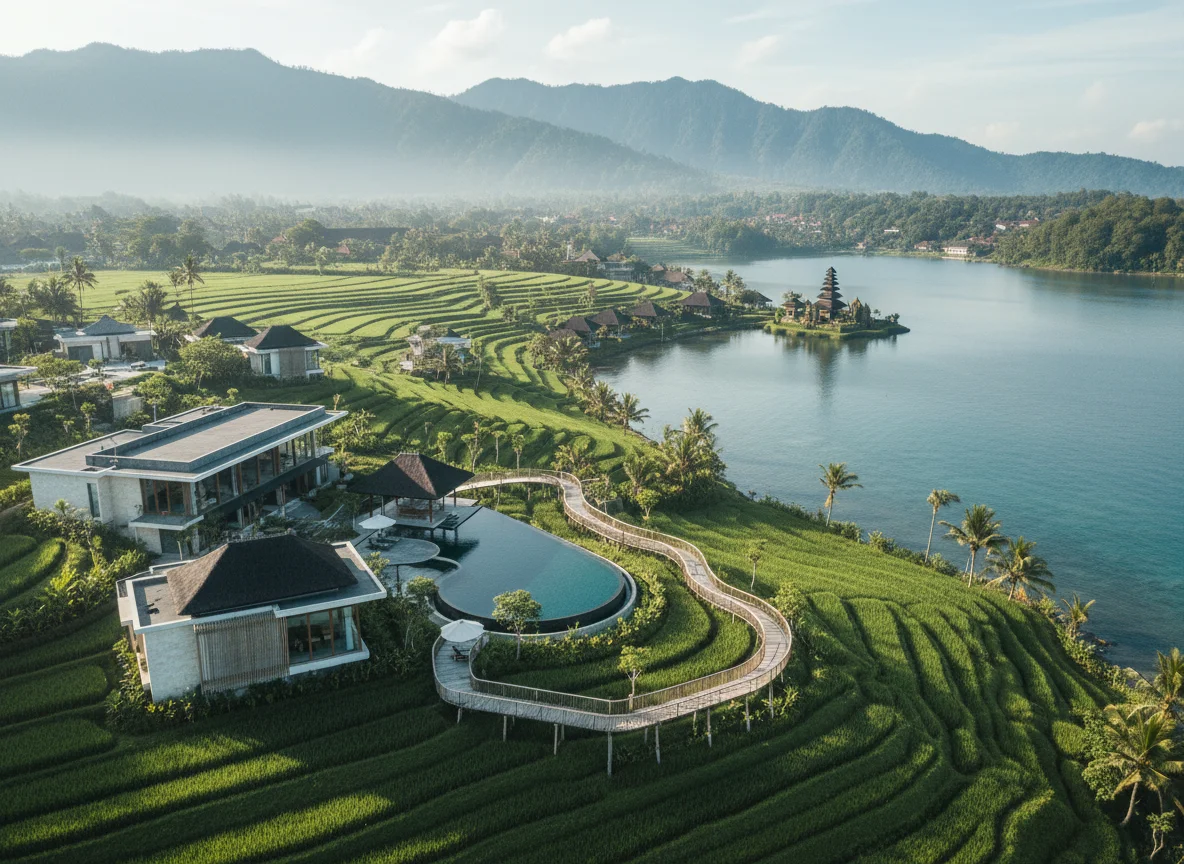
Bali |
Week 46, 2026 15 – 26 November 2026 |
2 Weeks | Onsite | €10,000 | |

|
New York |
Week 49, 2026 30 November – 11 December 2026 |
2 Weeks | Onsite | €16,000 | |
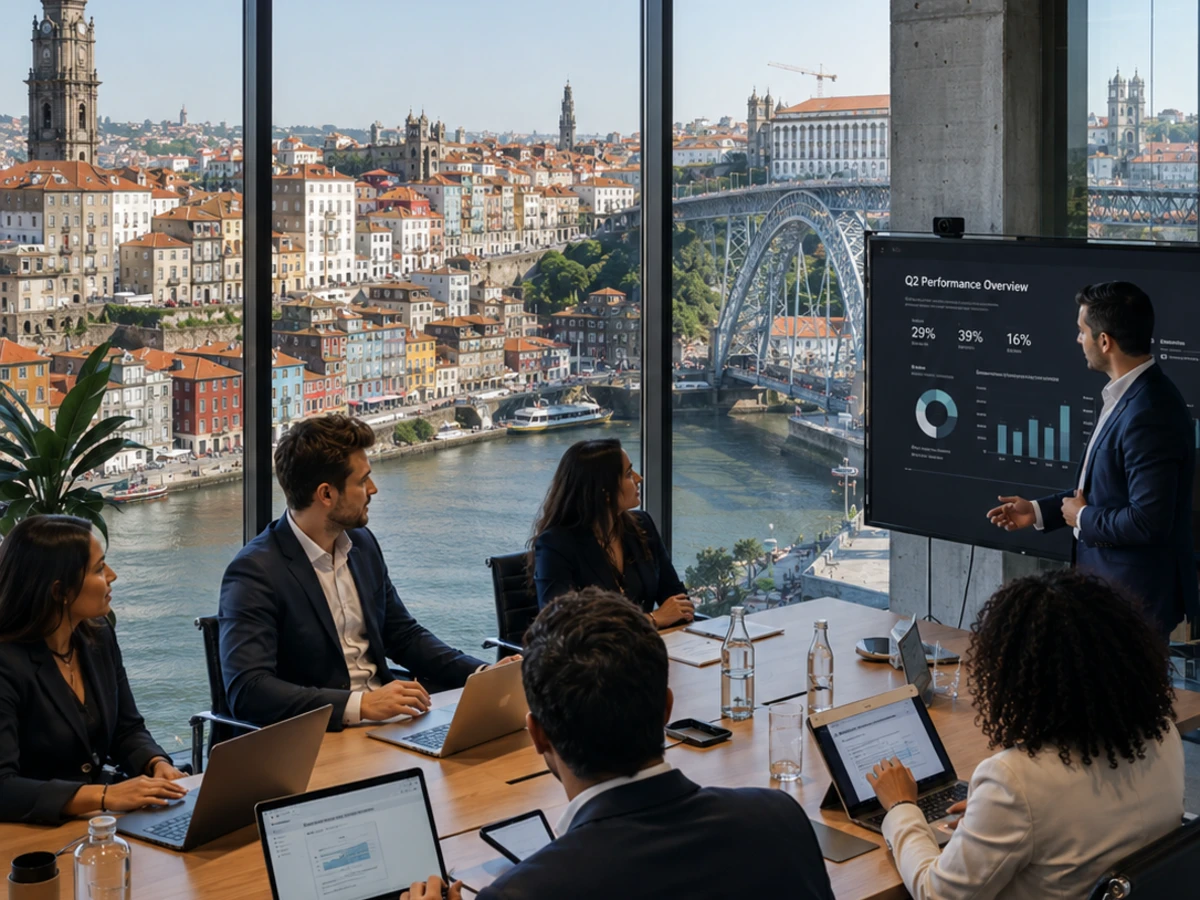
|
Porto |
Week 50, 2026 7 – 18 December 2026 |
2 Weeks | Onsite | €10,000 | |
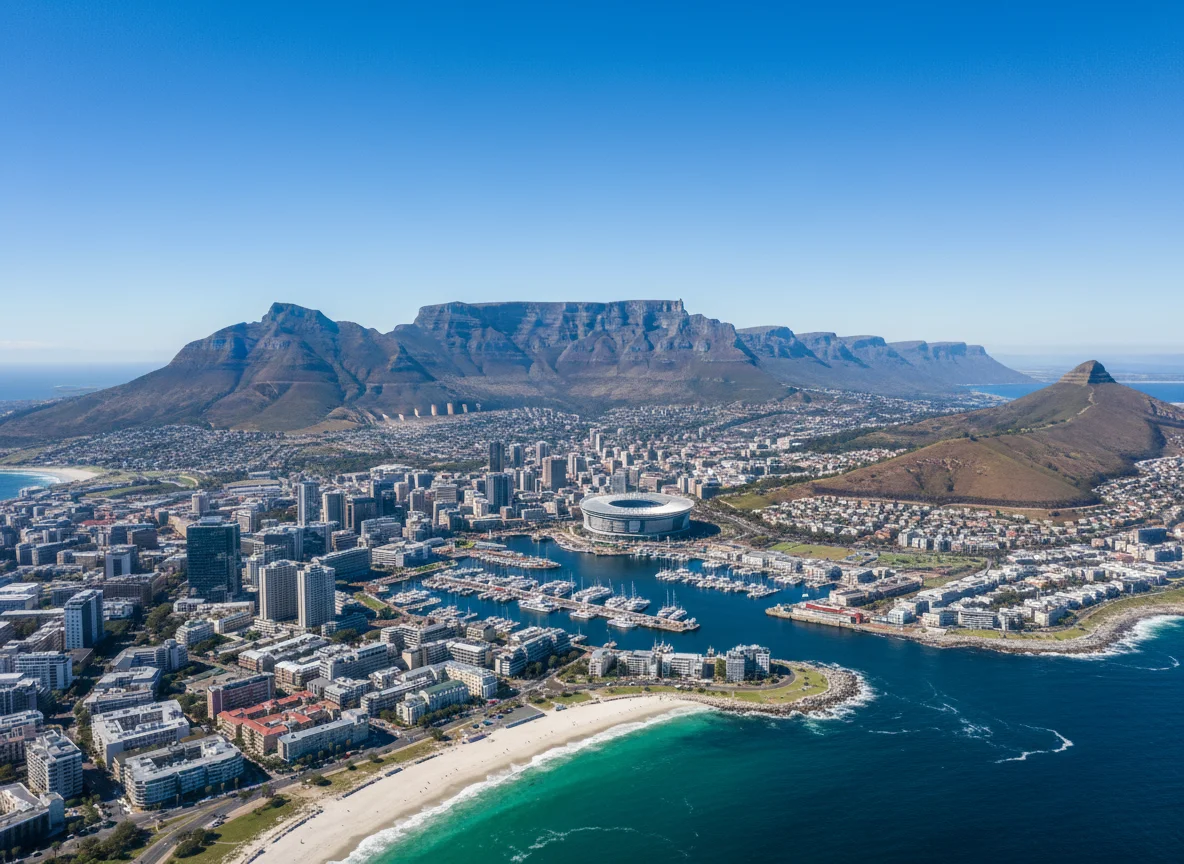
|
Cape town |
Week 50, 2026 13 – 24 December 2026 |
2 Weeks | Onsite | €6,400 | |

|
Cairo |
Week 50, 2026 13 – 24 December 2026 |
2 Weeks | Onsite | €7,000 | |

|
Dubai |
Week 51, 2026 14 – 25 December 2026 |
2 Weeks | Onsite | €8,500 | |

|
Prague |
Week 52, 2026 21 December 2026 – 1 January 2027 |
2 Weeks | Onsite | €10,000 | |
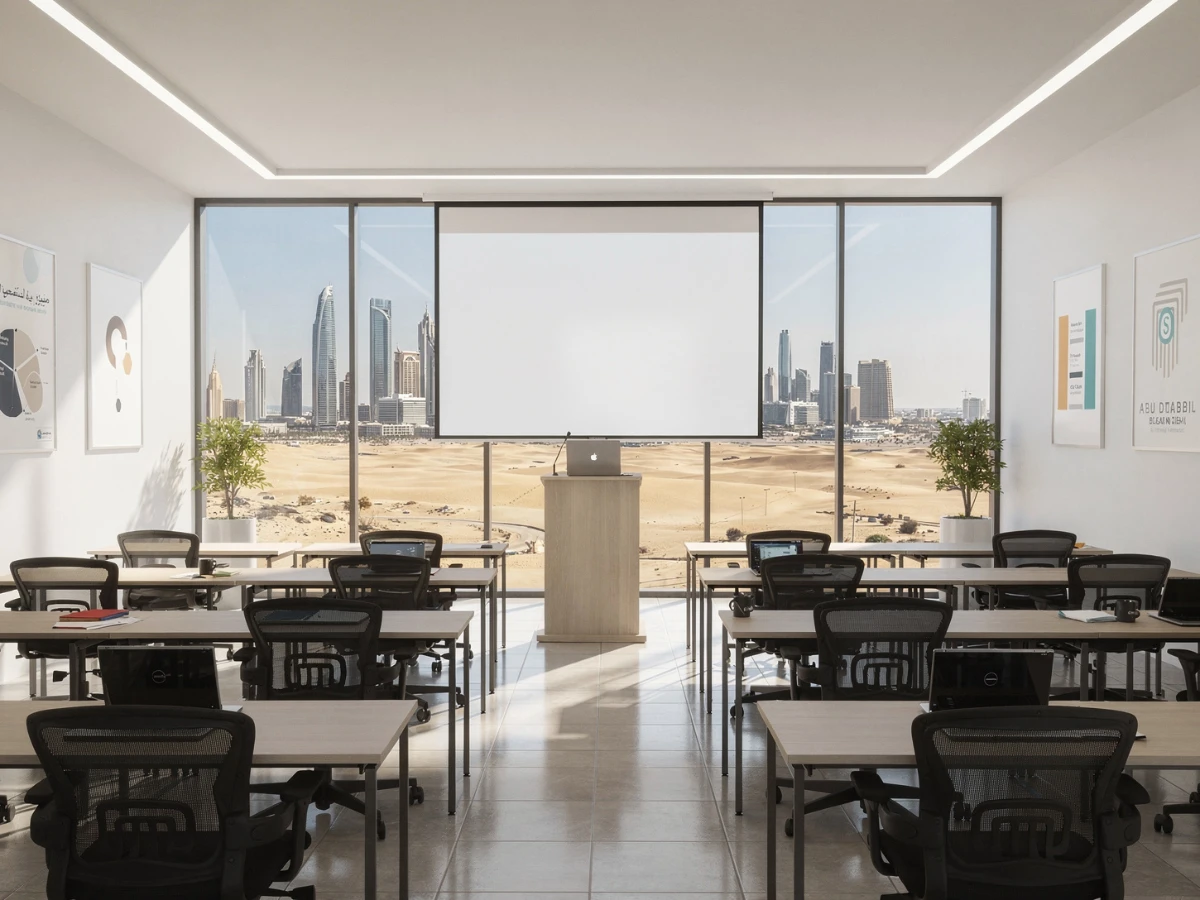
|
Abu Dhabi |
Week 52, 2026 21 December 2026 – 1 January 2027 |
2 Weeks | Onsite | €8,000 | |
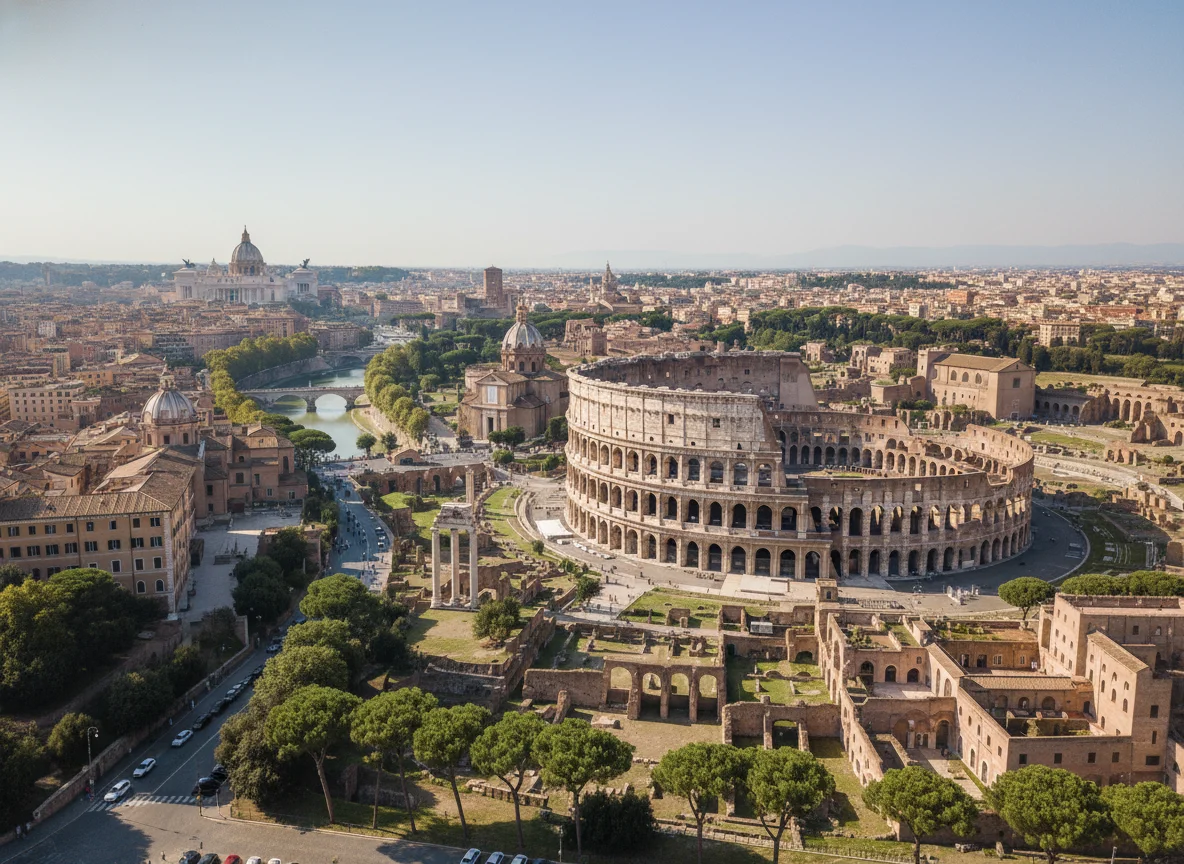
|
Rome |
Week 53, 2026 28 December 2026 – 8 January 2027 |
2 Weeks | Onsite | €10,000 | |

|
Madrid |
Week 53, 2026 28 December 2026 – 8 January 2027 |
2 Weeks | Onsite | €10,000 | |

|
Casablanca |
Week 01, 2027 4 – 15 January 2027 |
2 Weeks | Onsite | €7,000 | |

|
Kuwait |
Week 01, 2027 10 – 21 January 2027 |
2 Weeks | Onsite | €11,000 | |

|
Tbilisi |
Week 02, 2027 11 – 22 January 2027 |
2 Weeks | Onsite | €8,800 | |

|
Manama |
Week 02, 2027 17 – 28 January 2027 |
2 Weeks | Onsite | €8,000 | |
|
|
Dubai |
Week 03, 2027 18 – 29 January 2027 |
2 Weeks | Onsite | €8,500 | |
|
Toronto |
Week 03, 2027 24 January – 4 February 2027 |
2 Weeks | Onsite | €16,000 | |
|
|
Cairo |
Week 04, 2027 25 January – 5 February 2027 |
2 Weeks | Onsite | €7,000 |
Frequently asked questions
What does this course cover?
OverviewEnterprise resilience depends on bridging commercial vision with rigorous execution methodologies. The Strategic Business Planning & Quality Improvement executive masterclass spans ten intensive working days to unify commercial business strategy with Total Quality Management principles, ISO 9001:2015 frameworks, and Lean Six Sigma toolkits. Corpor…
Are training dates available?
Yes. Available dates and destinations are listed in the course dates section on this page.
How can I register?
Choose an available date on this page and complete the registration form, or send a programme enquiry.
Can I download the course brochure?
Yes. Use the brochure download link provided on this page.
This course by city
- Quality and Operations Management Training Courses in Abu Dhabi
- Quality and Operations Management Training Courses in Accra
- Quality and Operations Management Training Courses in Amman
- Quality and Operations Management Training Courses in Amsterdam
- Quality and Operations Management Training Courses in Athens
- Quality and Operations Management Training Courses in Baku
- Quality and Operations Management Training Courses in Bali
- Quality and Operations Management Training Courses in Bangkok
- Quality and Operations Management Training Courses in Barcelona
- Quality and Operations Management Training Courses in Berlin
- Quality and Operations Management Training Courses in Cairo
- Quality and Operations Management Training Courses in Cape town
- Quality and Operations Management Training Courses in Casablanca
- Quality and Operations Management Training Courses in Chicago
- Quality and Operations Management Training Courses in Doha
- Quality and Operations Management Training Courses in Dubai
- Quality and Operations Management Training Courses in Frankfurt
- Quality and Operations Management Training Courses in Geneva
- Quality and Operations Management Training Courses in Istanbul
- Quality and Operations Management Training Courses in Jakarta
- Quality and Operations Management Training Courses in Johannesburg
- Quality and Operations Management Training Courses in Kuala Lumpur
- Quality and Operations Management Training Courses in Kuwait
- Quality and Operations Management Training Courses in Langkawi
- Quality and Operations Management Training Courses in Lisbon
- Quality and Operations Management Training Courses in London
- Quality and Operations Management Training Courses in Madrid
- Quality and Operations Management Training Courses in Manama
- Quality and Operations Management Training Courses in Marbella
- Quality and Operations Management Training Courses in Milan
- Quality and Operations Management Training Courses in Montreux
- Quality and Operations Management Training Courses in Munich
- Quality and Operations Management Training Courses in Muscat
- Quality and Operations Management Training Courses in Nairobi
- Quality and Operations Management Training Courses in New York
- Quality and Operations Management Training Courses in Nice
- Quality and Operations Management Training Courses in Paris
- Quality and Operations Management Training Courses in Phuket
- Quality and Operations Management Training Courses in Porto
- Quality and Operations Management Training Courses in Prague
- Quality and Operations Management Training Courses in Rome
- Quality and Operations Management Training Courses in San Diego
- Quality and Operations Management Training Courses in Seoul
- Quality and Operations Management Training Courses in Sharm El-Sheikh
- Quality and Operations Management Training Courses in Singapore
- Quality and Operations Management Training Courses in Tashkent
- Quality and Operations Management Training Courses in Tbilisi
- Quality and Operations Management Training Courses in Tokyo
- Quality and Operations Management Training Courses in Toronto
- Quality and Operations Management Training Courses in Trabzon
- Quality and Operations Management Training Courses in Vienna
- Quality and Operations Management Training Courses in Zanzibar
- Quality and Operations Management Training Courses in Zoom