Next-Generation Infrastructure Strategy Course
At a glance
- Duration
- 5 days
- Format
- Classroom
- Cities
- Muscat, Baku, Cairo, Munich, Abu Dhabi, Toronto and more
- Next session
- 11 – 15 October 2026, Muscat
- Average fee
- 5,800 €
Overview
Next-Generation Infrastructure Portfolio Strategy Course is a five-day advanced course for infrastructure decision teams who leave with a Next-Generation Infrastructure Portfolio Roadmap. Participants shape a next-generation infrastructure portfolio strategy by connecting resilient service outcomes, cross-sector infrastructure dependencies, digital infrastructure capabilities, decarbonization, circularity, inclusive access, and flexible capacity. The course converts uncertain demand, legacy constraints, technology choices, and investment dependencies into sequenced decisions supported by adaptive portfolio governance. Agile Leaders Training Center presents infrastructure portfolio transformation through practical decision artifacts.
Who Should Attend
- Teams responsible for long-term infrastructure strategy, portfolio priorities, and service outcomes
- Functions coordinating asset renewal, capital planning, and cross-sector investment dependencies
- Groups selecting digital capabilities, data arrangements, and technology adoption pathways
- Personnel directing resilience, decarbonization, circularity, and inclusive-access objectives
- Decision teams governing delivery models, benefits, performance, and portfolio adjustment
The course assumes participants can interpret portfolio plans, asset information, investment cases, and performance reports, and it leaves out project feasibility studies, engineering design, financial or legal advice, statutory approvals, and professional certification.
Departments and Industries
The course supports departments and industries responsible for infrastructure portfolios, public services, assets, technology, investment, and sustainability.
- Infrastructure strategy, capital planning, investment, and portfolio offices
- Transport, energy, water, utilities, and digital connectivity
- Municipal services, healthcare estates, education estates, and industrial infrastructure
- Asset management, engineering assurance, operations, and maintenance
- Technology, data governance, sustainability, procurement, and partnership functions
Learning Objectives
By the end of this course, participants will be able to:
- Analyze portfolio baselines, service outcomes, dependencies, and capacity scenarios
- Evaluate resilience, decarbonization, circularity, inclusion, and flexibility objectives
- Prioritize digital use cases, data capabilities, and interoperability needs
- Compare renewal, retrofit, retirement, and new-build transition pathways
- Build investment sequences, governance gates, indicators, and adaptive triggers
- Apply an integrated roadmap method to a next-generation infrastructure portfolio
Course Agenda
Day 1: Portfolio Baseline and Outcomes
- Infrastructure Portfolio Baseline and Service-Outcome Map
- Cross-System Dependency and Interoperability Matrix
- Demand, Capacity, and Flexibility Scenario Set
- Resilience, Decarbonization, Circularity, and Inclusion Objective Framework
- Portfolio Assumption and Evidence-Gap Register
Day 2: Technology and Data Architecture
- Digital Infrastructure Capability Maturity Assessment
- Technology Use-Case Prioritization Matrix
- Sensor, Platform, and Data-Exchange Architecture Map
- Data Governance, Access, Quality, and Stewardship Charter
- Cyber-Physical Continuity and Dependency Screen
Day 3: Transition and Investment Sequencing
- Legacy-to-Future Transition Pathway Map
- Renewal, Retrofit, Retirement, and New-Build Option Grid
- Multi-Criteria Portfolio Prioritization Model
- Investment Dependency and Sequencing Roadmap
- Delivery Model and Capability Readiness Assessment
Day 4: Governance and Adaptive Performance
- Portfolio Governance and Decision-Gate Model
- Service, Carbon, Resilience, Inclusion, and Benefit Indicator Set
- Adaptive Pathway Trigger and Threshold Register
- Partnership, Market, and Supplier Ecosystem Map
- Assurance, Learning, and Portfolio Adjustment Cycle
Day 5: Portfolio Roadmap Practice
- Exercise: Validate Portfolio Outcomes and System Dependencies
- Exercise: Prioritize Technology and Data Capabilities
- Exercise: Sequence Transition and Investment Options
- Exercise: Build Governance Gates and Adaptive Controls
- Capstone Exercise: Next-Generation Infrastructure Portfolio Roadmap
Practical Exercises
The course uses suggested activities to connect portfolio evidence, transformation choices, investment sequencing, and adaptive governance.
- Suggested activity: map service outcomes, assets, dependencies, capacity pressures, vulnerabilities, and inclusion gaps across transport and utility systems.
- Suggested activity: rank digital use cases and data capabilities against resilience, carbon, circularity, interoperability, value, and readiness criteria.
- Suggested activity: compare renewal, retrofit, retirement, and new-build pathways, then sequence decisions around dependencies, delivery capacity, and uncertainty.
- Suggested activity: integrate governance gates, indicators, triggers, ownership, and review cycles into a Next-Generation Infrastructure Portfolio Roadmap.
FAQs
Who suits the next-generation infrastructure portfolio strategy course and what does it assume?
It suits infrastructure strategy, planning, asset, technology, investment, sustainability, and public-service teams and assumes participants can interpret portfolio plans, asset information, investment cases, and performance reports.
How does next-generation infrastructure portfolio strategy differ from sustainable project preparation?
Next-generation infrastructure portfolio strategy coordinates transformation across systems, assets, technologies, services, and investment waves, while sustainable project preparation develops the evidence and case for an individual project.
How are infrastructure technology investments prioritized across a portfolio?
Infrastructure technology investments are prioritized by comparing service value, interoperability, data readiness, resilience, carbon impact, lifecycle implications, delivery capability, dependencies, and uncertainty.
What makes an infrastructure portfolio roadmap adaptive?
An adaptive infrastructure portfolio roadmap defines pathways, decision gates, measurable indicators, trigger thresholds, review cycles, and alternative actions so leaders can adjust sequencing as evidence and conditions change.
What belongs in a next-generation infrastructure portfolio roadmap?
A next-generation infrastructure portfolio roadmap records outcomes, baselines, system dependencies, scenarios, technology and data choices, transition pathways, investment sequences, delivery responsibilities, governance gates, indicators, triggers, assumptions, and next decisions.
Conclusion
Participants take back a Next-Generation Infrastructure Portfolio Roadmap that connects service outcomes with assets, technology, sustainability, and investment choices. The roadmap clarifies dependencies, transition sequences, governance gates, and adaptive triggers across the portfolio. It enables decision teams to coordinate action while responding to new evidence, capacity constraints, and changing conditions.
credits: 5 credit per day
Course Mode: full-time
Provider: Agile Leaders Training Center
-
Events for this Course
-
Muscat 11 – 15 October 2026
-
Baku 12 – 16 October 2026
-
Cairo 19 – 23 October 2026
-
Munich 19 – 23 October 2026
-
Abu Dhabi 26 – 30 October 2026
-
Toronto 1 – 5 November 2026
-
Geneva 8 – 12 November 2026
-
Manama 15 – 19 November 2026
-
Cape town 15 – 19 November 2026
-
Prague 23 – 27 November 2026
-
Zanzibar 29 November – 3 December 2026
-
Sharm El-Sheikh 30 November – 4 December 2026
-
Barcelona 7 – 11 December 2026
-
Cairo 14 – 18 December 2026
-
London 21 – 25 December 2026
-
Nice 21 – 25 December 2026
-
Dubai 28 December 2026 – 1 January 2027
-
San Diego 28 December 2026 – 1 January 2027
-
London 11 – 15 January 2027
-
Rome 18 – 22 January 2027
-
Marbella 24 – 28 January 2027
-
Kuala Lumpur 25 – 29 January 2027
-
Johannesburg 31 January – 4 February 2027
-
Zoom 1 – 5 February 2027
-
Vienna 8 – 12 February 2027
-
Athens 8 – 12 February 2027
-
Amsterdam 15 – 19 February 2027
-
Amman 21 – 25 February 2027
-
Frankfurt 22 – 26 February 2027
-
Chicago 28 February – 4 March 2027
-
Paris 8 – 12 March 2027
-
Berlin 8 – 12 March 2027
-
Dubai 15 – 19 March 2027
-
New York 15 – 19 March 2027
-
Barcelona 22 – 26 March 2027
-
Jakarta 29 March – 2 April 2027
-
Abu Dhabi 29 March – 2 April 2027
-
Milan 5 – 9 April 2027
-
Bangkok 11 – 15 April 2027
-
London 12 – 16 April 2027
-
Istanbul 19 – 23 April 2027
-
Tbilisi 26 – 30 April 2027
-
Lisbon 10 – 14 May 2027
-
Tashkent 16 – 20 May 2027
-
Vienna 17 – 21 May 2027
-
Dubai 24 – 28 May 2027
-
Seoul 24 – 28 May 2027
-
Madrid 31 May – 4 June 2027
-
Abu Dhabi 7 – 11 June 2027
-
Istanbul 14 – 18 June 2027
-
Montreux 14 – 18 June 2027
-
Tokyo 21 – 25 June 2027
-
Milan 28 June – 2 July 2027
-
Accra 4 – 8 July 2027
-
Bali 11 – 15 July 2027
-
Dubai 19 – 23 July 2027
-
Singapore 19 – 23 July 2027
-
Amsterdam 26 – 30 July 2027
-
Kuwait 1 – 5 August 2027
-
London 2 – 6 August 2027
-
Doha 8 – 12 August 2027
-
Rome 16 – 20 August 2027
-
Porto 16 – 20 August 2027
-
Kuala Lumpur 23 – 27 August 2027
-
Manama 29 August – 2 September 2027
-
Casablanca 6 – 10 September 2027
-
Abu Dhabi 6 – 10 September 2027
-
Nairobi 12 – 16 September 2027
-
Paris 20 – 24 September 2027
-
Langkawi 26 – 30 September 2027
-
Madrid 27 September – 1 October 2027
-
Trabzon 3 – 7 October 2027
-
Phuket 10 – 14 October 2027
-
Amsterdam 11 – 15 October 2027
| Image | Location | Dates | Duration | Mode | Price | Actions |
|---|---|---|---|---|---|---|

|
Istanbul |
Week 16, 2027 19 – 23 April 2027 |
5 Days | Onsite | €4,500 | |

|
Tbilisi |
Week 17, 2027 26 – 30 April 2027 |
5 Days | Onsite | €5,000 | |

|
Lisbon |
Week 19, 2027 10 – 14 May 2027 |
5 Days | Onsite | €5,700 | |

|
Tashkent |
Week 19, 2027 16 – 20 May 2027 |
5 Days | Onsite | €4,500 | |

|
Vienna |
Week 20, 2027 17 – 21 May 2027 |
5 Days | Onsite | €5,700 | |

|
Dubai |
Week 21, 2027 24 – 28 May 2027 |
5 Days | Onsite | €4,500 | |

|
Seoul |
Week 21, 2027 24 – 28 May 2027 |
5 Days | Onsite | €10,000 | |

|
Madrid |
Week 22, 2027 31 May – 4 June 2027 |
5 Days | Onsite | €5,700 | |

|
Abu Dhabi |
Week 23, 2027 7 – 11 June 2027 |
5 Days | Onsite | €4,700 | |
|
|
Istanbul |
Week 24, 2027 14 – 18 June 2027 |
5 Days | Onsite | €4,500 | |
|
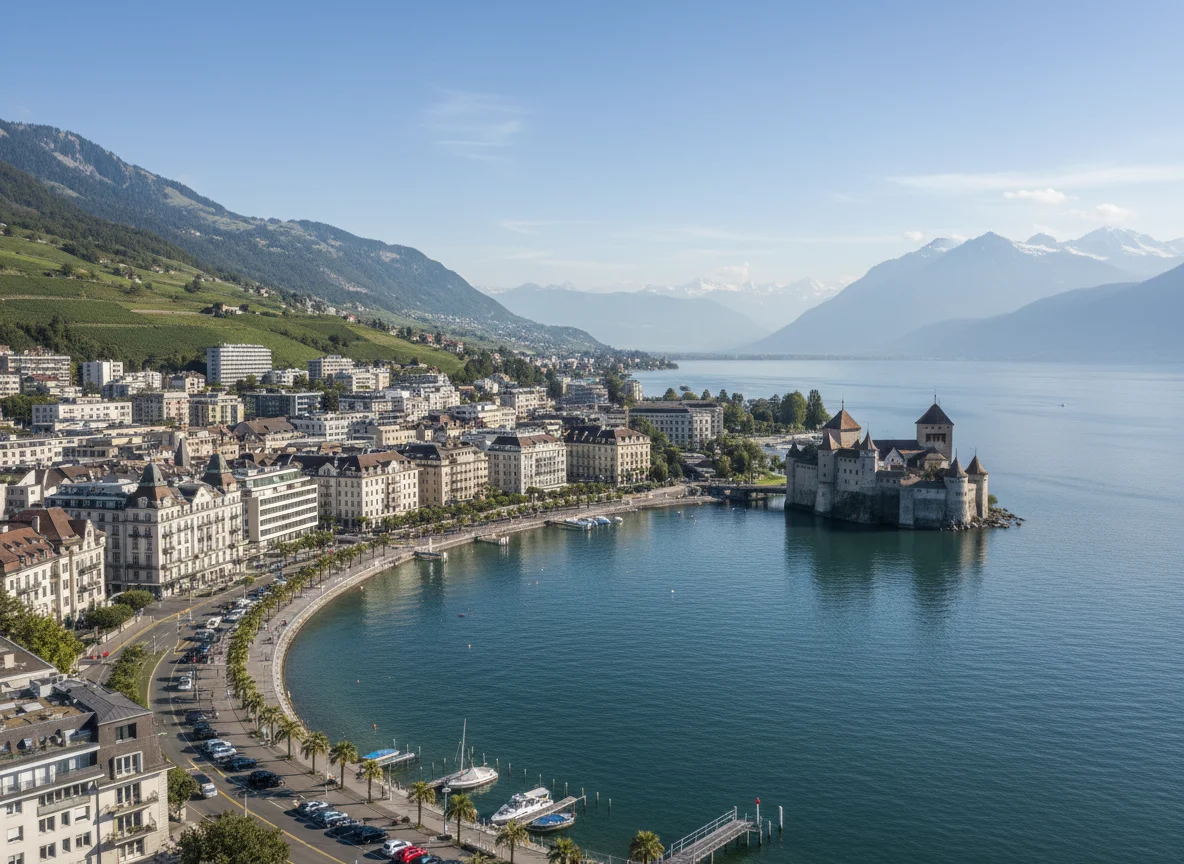
Montreux |
Week 24, 2027 14 – 18 June 2027 |
5 Days | Onsite | €7,500 | |

|
Tokyo |
Week 25, 2027 21 – 25 June 2027 |
5 Days | Onsite | €10,000 | |

|
Milan |
Week 26, 2027 28 June – 2 July 2027 |
5 Days | Onsite | €5,700 | |

|
Accra |
Week 26, 2027 4 – 8 July 2027 |
5 Days | Onsite | €4,100 | |

|
Bali |
Week 27, 2027 11 – 15 July 2027 |
5 Days | Onsite | €5,700 | |
|
|
Dubai |
Week 29, 2027 19 – 23 July 2027 |
5 Days | Onsite | €4,500 | |

|
Singapore |
Week 29, 2027 19 – 23 July 2027 |
5 Days | Onsite | €5,700 | |

|
Amsterdam |
Week 30, 2027 26 – 30 July 2027 |
5 Days | Onsite | €5,700 | |

|
Kuwait |
Week 30, 2027 1 – 5 August 2027 |
5 Days | Onsite | €5,500 | |

|
London |
Week 31, 2027 2 – 6 August 2027 |
5 Days | Onsite | €5,700 |
Frequently asked questions
What does this course cover?
OverviewNext-Generation Infrastructure Portfolio Strategy Course is a five-day advanced course for infrastructure decision teams who leave with a Next-Generation Infrastructure Portfolio Roadmap. Participants shape a next-generation infrastructure portfolio strategy by connecting resilient service outcomes, cross-sector infrastructure dependencies, digita…
Are training dates available?
Yes. Available dates and destinations are listed in the course dates section on this page.
How can I register?
Choose an available date on this page and complete the registration form, or send a programme enquiry.
Can I download the course brochure?
Yes. Use the brochure download link provided on this page.
This course by city
- Environment & Sustainability Training Courses in Abu Dhabi
- Environment & Sustainability Training Courses in Accra
- Environment & Sustainability Training Courses in Amman
- Environment & Sustainability Training Courses in Amsterdam
- Environment & Sustainability Training Courses in Athens
- Environment & Sustainability Training Courses in Baku
- Environment & Sustainability Training Courses in Bali
- Environment & Sustainability Training Courses in Bangkok
- Environment & Sustainability Training Courses in Barcelona
- Environment & Sustainability Training Courses in Berlin
- Environment & Sustainability Training Courses in Cairo
- Environment & Sustainability Training Courses in Cape town
- Environment & Sustainability Training Courses in Casablanca
- Environment & Sustainability Training Courses in Chicago
- Environment & Sustainability Training Courses in Doha
- Environment & Sustainability Training Courses in Dubai
- Environment & Sustainability Training Courses in Frankfurt
- Environment & Sustainability Training Courses in Geneva
- Environment & Sustainability Training Courses in Istanbul
- Environment & Sustainability Training Courses in Jakarta
- Environment & Sustainability Training Courses in Johannesburg
- Environment & Sustainability Training Courses in Kuala Lumpur
- Environment & Sustainability Training Courses in Kuwait
- Environment & Sustainability Training Courses in Langkawi
- Environment & Sustainability Training Courses in Lisbon
- Environment & Sustainability Training Courses in London
- Environment & Sustainability Training Courses in Madrid
- Environment & Sustainability Training Courses in Manama
- Environment & Sustainability Training Courses in Marbella
- Environment & Sustainability Training Courses in Milan
- Environment & Sustainability Training Courses in Montreux
- Environment & Sustainability Training Courses in Munich
- Environment & Sustainability Training Courses in Muscat
- Environment & Sustainability Training Courses in Nairobi
- Environment & Sustainability Training Courses in New York
- Environment & Sustainability Training Courses in Nice
- Environment & Sustainability Training Courses in Paris
- Environment & Sustainability Training Courses in Phuket
- Environment & Sustainability Training Courses in Porto
- Environment & Sustainability Training Courses in Prague
- Environment & Sustainability Training Courses in Rome
- Environment & Sustainability Training Courses in San Diego
- Environment & Sustainability Training Courses in Seoul
- Environment & Sustainability Training Courses in Sharm El-Sheikh
- Environment & Sustainability Training Courses in Singapore
- Environment & Sustainability Training Courses in Tashkent
- Environment & Sustainability Training Courses in Tbilisi
- Environment & Sustainability Training Courses in Tokyo
- Environment & Sustainability Training Courses in Toronto
- Environment & Sustainability Training Courses in Trabzon
- Environment & Sustainability Training Courses in Vienna
- Environment & Sustainability Training Courses in Zanzibar
- Environment & Sustainability Training Courses in Zoom