Pipeline Digital Twin and AI Integrity Course
At a glance
- Duration
- 5 days
- Format
- Classroom
- Cities
- Amsterdam, Abu Dhabi, Nice, Dubai, Berlin, Montreux and more
- Next session
- 12 – 16 October 2026, Amsterdam
- Average fee
- 7,550 €
Overview
Pipeline Digital Twin and AI Integrity Course is a five-day practitioner course for pipeline integrity, inspection, maintenance, reliability, asset, and data teams, who leave with a Pipeline Digital Twin Integrity Use-Case Plan. Participants connect asset models, inspection records, sensor signals, and AI-supported indicators to review condition, compare scenarios, and prioritize action while retaining engineering judgment. The course addresses oil, gas, water, and industrial pipeline contexts. Agile Leaders Training Center provides training in pipeline digital twins and AI integrity.
Who Should Attend
- Teams responsible for pipeline integrity assessment and continual evaluation
- Teams responsible for inspection planning, anomaly records, and remediation evidence
- Teams responsible for maintenance priorities and pipeline reliability
- Teams responsible for asset information, digital models, and condition visualization
- Teams responsible for data quality, analytics, and decision-support controls
The course assumes participants already work with pipeline assets or integrity data and leaves out pipeline design certification, control-room operation, autonomous control, software development, and prescriptive engineering calculations.
Departments and Industries
The course supports pipeline integrity decisions across energy, water, utilities, and process industries.
- Pipeline integrity, corrosion management, and inspection
- Maintenance, reliability, and asset management
- Oil and gas transmission, gathering, and distribution
- Water utilities and industrial pipeline networks
- Engineering data, digital transformation, and operational analytics
Learning Objectives
By the end of this course, participants will be able to:
- Build a pipeline asset and integrity data map
- Analyze inspection, sensor, corrosion, and anomaly evidence
- Apply condition and failure-risk indicators with documented uncertainty
- Compare integrity scenarios and alert thresholds
- Prioritize inspection and maintenance actions under human review
- Build a governed pipeline digital twin use-case plan
Course Agenda
Day 1: Integrity Twin Scope and Data
- Pipeline Asset Hierarchy and Integrity Data Map
- Physical-to-Digital Representation Boundary Canvas
- Pipeline Segment and Threat Classification Matrix
- Integrity Data Ownership and Review Responsibility Chart
- Digital Twin Integrity Use-Case Charter
Day 2: Inspection and Condition Evidence
- Inline Inspection and Anomaly Record Map
- Corrosion, Crack, and Deformation Data Dictionary
- Pressure, Flow, and Temperature Signal Review
- Timestamp, Location, and Data Quality Validation Checklist
- Missing and Conflicting Integrity Evidence Register
Day 3: AI-Supported Integrity Indicators
- Degradation Trend and Condition Indicator Set
- Anomaly Pattern and Alert Logic Review
- Failure Likelihood and Consequence Decision Matrix
- Model Uncertainty and Confidence Annotation Method
- AI Output-to-Integrity Evidence Traceability Map
Day 4: Scenarios, Priorities, and Assurance
- Integrity Scenario Comparison and Assumption Log
- Risk-Based Inspection Priority Decision Grid
- Maintenance Intervention Option Register
- Digital Twin Verification and Validation Review
- Human Engineering Approval and Escalation Gate
Day 5: Pipeline Integrity Twin Practice
- Suggested Exercise: Build an Asset and Integrity Data Map
- Suggested Exercise: Reconcile Inspection and Sensor Evidence
- Suggested Exercise: Evaluate Indicators and Uncertainty
- Suggested Exercise: Prioritize Inspection and Maintenance Options
- Capstone Exercise: Pipeline Digital Twin Integrity Use-Case Plan
Practical Exercises
The course uses suggested activities to turn pipeline evidence and model outputs into reviewable integrity decisions.
- Suggested activity: map pipeline segments, threats, owners, inspection records, sensor signals, and decision boundaries
- Suggested activity: reconcile corrosion and anomaly evidence while documenting missing, conflicting, and uncertain data
- Suggested activity: compare condition indicators, scenarios, alerts, and intervention options with engineering review
- Suggested activity: assemble a governed use-case plan with priorities, controls, owners, dependencies, and measures
FAQs
Who suits pipeline digital twin and AI integrity training, and what does it assume?
Pipeline digital twin and AI integrity training suits integrity, inspection, maintenance, reliability, asset, and data teams. It assumes participants already work with pipeline assets or integrity evidence and can interpret operational records within their professional responsibilities.
How does pipeline digital twin training differ from pipeline design training?
Pipeline digital twin training focuses on integrity data, condition evidence, model outputs, scenarios, priorities, validation, and human review. Pipeline design training addresses engineering design methods, specifications, calculations, and construction requirements.
Which data supports a pipeline digital twin for integrity decisions?
Pipeline digital twin data may include asset hierarchy, location, material, inspection, corrosion, anomaly, pressure, flow, temperature, maintenance, failure, and environmental records, subject to quality, access, synchronization, and engineering review.
How can AI support pipeline integrity without replacing engineering judgment?
AI can support pattern detection, condition indicators, scenario comparisons, alerts, and prioritization. Accountable professionals validate data and models, examine uncertainty, confirm context, approve actions, and escalate safety-significant findings.
How should pipeline digital twin models be validated?
Pipeline digital twin models should be checked against their intended use, data lineage, physical evidence, assumptions, performance measures, known limitations, uncertainty, change history, and qualified engineering review before outputs influence decisions.
Conclusion
Participants take back a Pipeline Digital Twin Integrity Use-Case Plan linking assets, threats, evidence, indicators, scenarios, priorities, controls, owners, and measures. It makes the proposed decision workflow and its limits visible. It supports phased use of digital twins and AI where data, validation, uncertainty treatment, and engineering accountability are defined.
credits: 5 credit per day
Course Mode: full-time
Provider: Agile Leaders Training Center
-
Events for this Course
-
Amsterdam 12 – 16 October 2026
-
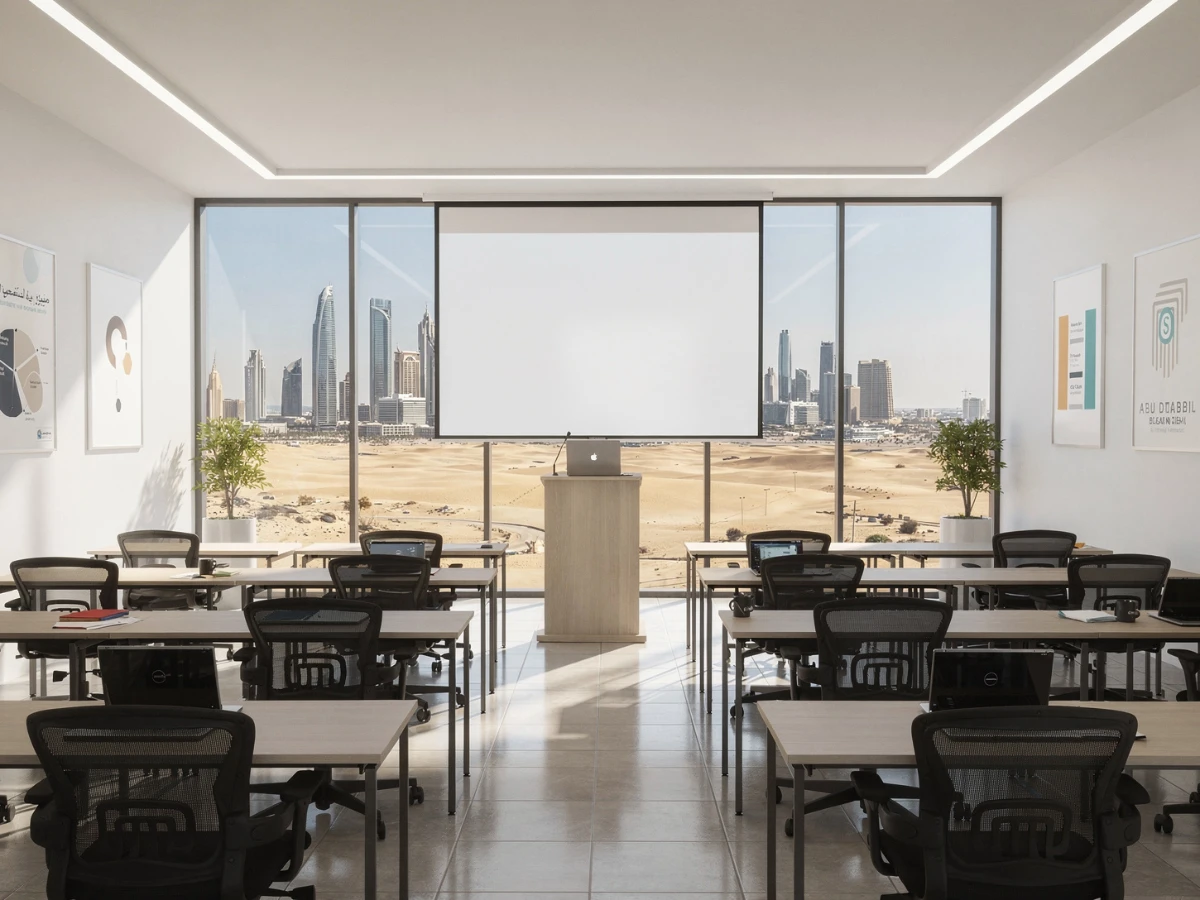
Abu Dhabi 12 – 16 October 2026
-
Nice 19 – 23 October 2026
-
Dubai 2 – 6 November 2026
-
Berlin 9 – 13 November 2026
-
Montreux 16 – 20 November 2026
-
Zoom 23 – 27 November 2026
-
Porto 23 – 27 November 2026
-
Trabzon 6 – 10 December 2026
-
Sharm El-Sheikh 7 – 11 December 2026
-
Munich 14 – 18 December 2026
-
Rome 21 – 25 December 2026
-
Frankfurt 21 – 25 December 2026
-
Jakarta 28 December 2026 – 1 January 2027
-
Doha 3 – 7 January 2027
-
London 4 – 8 January 2027
-
Tashkent 10 – 14 January 2027
-
Johannesburg 17 – 21 January 2027
-
Cape town 24 – 28 January 2027
-
Madrid 1 – 5 February 2027
-
Kuwait 7 – 11 February 2027
-
Riyadh 14 – 18 February 2027
-
Chicago 7 – 11 March 2027
-
Tbilisi 15 – 19 March 2027
-
Paris 22 – 26 March 2027
-
New York 22 – 26 March 2027
-
Amman 28 March – 1 April 2027
-
Nairobi 4 – 8 April 2027
-
Tokyo 12 – 16 April 2027
-
Prague 12 – 16 April 2027
-
Al Jubail 18 – 22 April 2027
-
Bangkok 25 – 29 April 2027
-
Seoul 3 – 7 May 2027
-
Marbella 9 – 13 May 2027
-
Abu Dhabi 17 – 21 May 2027
-
Baku 24 – 28 May 2027
-
Milan 31 May – 4 June 2027
-
Kuala Lumpur 14 – 18 June 2027
-
Athens 14 – 18 June 2027
-
Muscat 20 – 24 June 2027
-
Langkawi 27 June – 1 July 2027
-
London 28 June – 2 July 2027
-
San Diego 5 – 9 July 2027
-
Phuket 11 – 15 July 2027
-
Dubai 19 – 23 July 2027
-
Zanzibar 1 – 5 August 2027
-
Singapore 9 – 13 August 2027
-
Cairo 16 – 20 August 2027
-
Lisbon 16 – 20 August 2027
-
Manama 22 – 26 August 2027
-
Barcelona 23 – 27 August 2027
-
Geneva 29 August – 2 September 2027
-
Casablanca 30 August – 3 September 2027
-
Vienna 6 – 10 September 2027
-
Bali 12 – 16 September 2027
-
Istanbul 27 September – 1 October 2027
-
Toronto 3 – 7 October 2027
-
Accra 10 – 14 October 2027
| Image | Location | Dates | Duration | Mode | Price | Actions |
|---|---|---|---|---|---|---|

|
Amsterdam |
Week 42, 2026 12 – 16 October 2026 |
5 Days | Onsite | €6,500 | |
|
Abu Dhabi |
Week 42, 2026 12 – 16 October 2026 |
5 Days | Onsite | €6,500 | |

|
Nice |
Week 43, 2026 19 – 23 October 2026 |
5 Days | Onsite | €8,000 | |

|
Dubai |
Week 45, 2026 2 – 6 November 2026 |
5 Days | Onsite | €6,500 | |

|
Berlin |
Week 46, 2026 9 – 13 November 2026 |
5 Days | Onsite | €6,500 | |
|
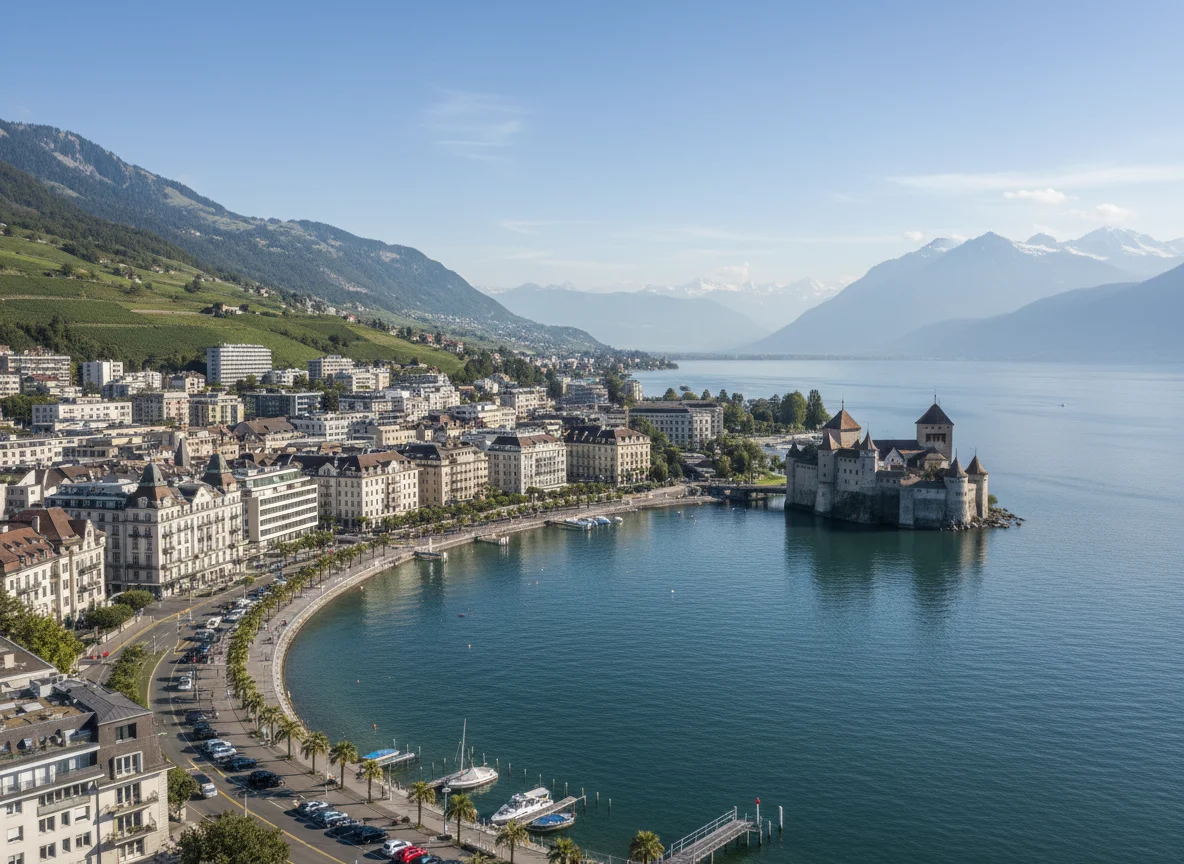
Montreux |
Week 47, 2026 16 – 20 November 2026 |
5 Days | Onsite | €8,000 | |

|
Zoom |
Week 48, 2026 23 – 27 November 2026 |
5 Days | Online | €3,000 | |

|
Porto |
Week 48, 2026 23 – 27 November 2026 |
5 Days | Onsite | €6,500 | |
|
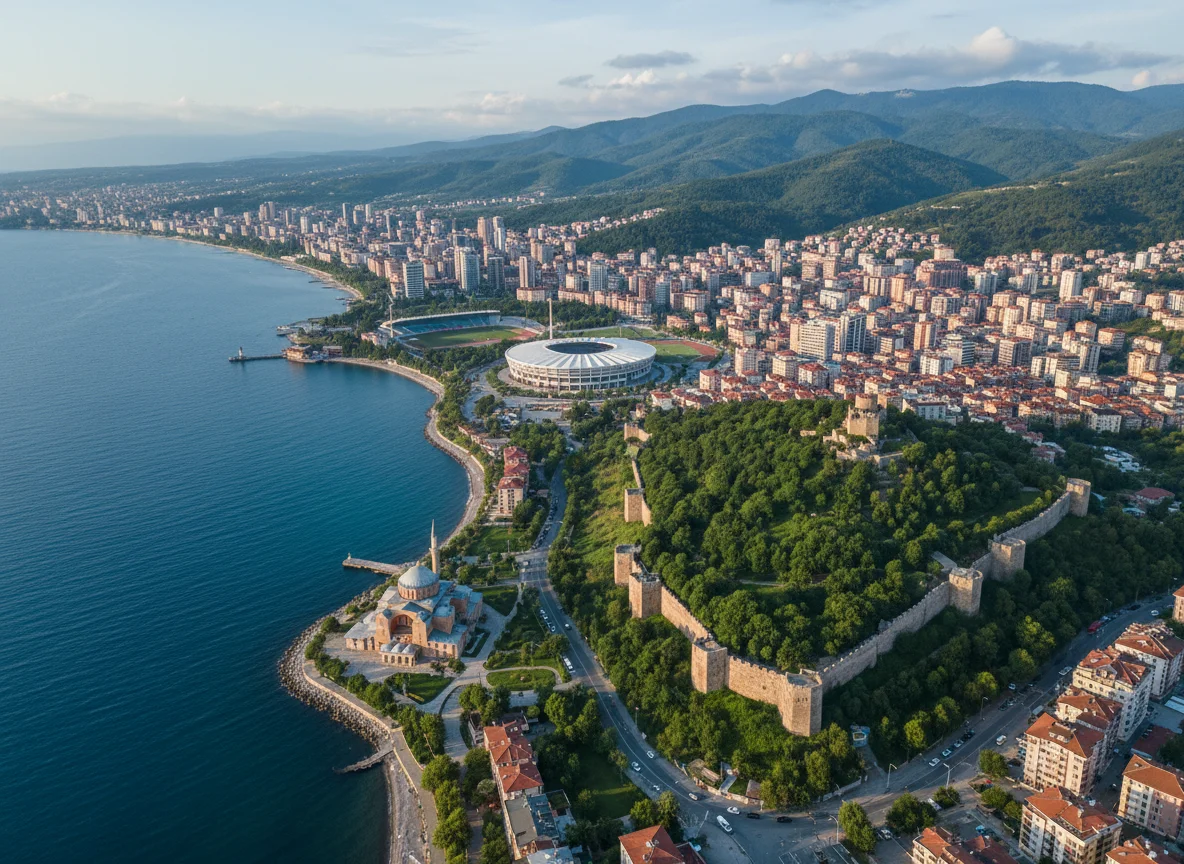
Trabzon |
Week 49, 2026 6 – 10 December 2026 |
5 Days | Onsite | €8,000 | |

|
Sharm El-Sheikh |
Week 50, 2026 7 – 11 December 2026 |
5 Days | Onsite | €5,200 | |

|
Munich |
Week 51, 2026 14 – 18 December 2026 |
5 Days | Onsite | €6,500 | |

|
Rome |
Week 52, 2026 21 – 25 December 2026 |
5 Days | Onsite | €6,500 | |

|
Frankfurt |
Week 52, 2026 21 – 25 December 2026 |
5 Days | Onsite | €6,500 | |

|
Jakarta |
Week 53, 2026 28 December 2026 – 1 January 2027 |
5 Days | Onsite | €8,000 | |

|
Doha |
Week 53, 2027 3 – 7 January 2027 |
5 Days | Onsite | €7,000 | |

|
London |
Week 01, 2027 4 – 8 January 2027 |
5 Days | Onsite | €6,500 | |

|
Tashkent |
Week 01, 2027 10 – 14 January 2027 |
5 Days | Onsite | €8,000 | |
|
Johannesburg |
Week 02, 2027 17 – 21 January 2027 |
5 Days | Onsite | €6,000 | |
|
Cape town |
Week 03, 2027 24 – 28 January 2027 |
5 Days | Onsite | €6,000 | |

|
Madrid |
Week 05, 2027 1 – 5 February 2027 |
5 Days | Onsite | €6,500 |
Frequently asked questions
What does this course cover?
OverviewPipeline Digital Twin and AI Integrity Course is a five-day practitioner course for pipeline integrity, inspection, maintenance, reliability, asset, and data teams, who leave with a Pipeline Digital Twin Integrity Use-Case Plan. Participants connect asset models, inspection records, sensor signals, and AI-supported indicators to review condition,…
Are training dates available?
Yes. Available dates and destinations are listed in the course dates section on this page.
How can I register?
Choose an available date on this page and complete the registration form, or send a programme enquiry.
Can I download the course brochure?
Yes. Use the brochure download link provided on this page.
This course by city
- Oil & Gas Training and Other Technical Courses in Abu Dhabi
- Oil & Gas Training and Other Technical Courses in Accra
- Oil & Gas Training and Other Technical Courses in Al Jubail
- Oil & Gas Training and Other Technical Courses in Amman
- Oil & Gas Training and Other Technical Courses in Amsterdam
- Oil & Gas Training and Other Technical Courses in Athens
- Oil & Gas Training and Other Technical Courses in Baku
- Oil & Gas Training and Other Technical Courses in Bali
- Oil & Gas Training and Other Technical Courses in Bangkok
- Oil & Gas Training and Other Technical Courses in Barcelona
- Oil & Gas Training and Other Technical Courses in Berlin
- Oil & Gas Training and Other Technical Courses in Cairo
- Oil & Gas Training and Other Technical Courses in Cape town
- Oil & Gas Training and Other Technical Courses in Casablanca
- Oil & Gas Training and Other Technical Courses in Chicago
- Oil & Gas Training and Other Technical Courses in Doha
- Oil & Gas Training and Other Technical Courses in Dubai
- Oil & Gas Training and Other Technical Courses in Frankfurt
- Oil & Gas Training and Other Technical Courses in Geneva
- Oil & Gas Training and Other Technical Courses in Istanbul
- Oil & Gas Training and Other Technical Courses in Jakarta
- Oil & Gas Training and Other Technical Courses in Johannesburg
- Oil & Gas Training and Other Technical Courses in Kuala Lumpur
- Oil & Gas Training and Other Technical Courses in Kuwait
- Oil & Gas Training and Other Technical Courses in Langkawi
- Oil & Gas Training and Other Technical Courses in Lisbon
- Oil & Gas Training and Other Technical Courses in London
- Oil & Gas Training and Other Technical Courses in Madrid
- Oil & Gas Training and Other Technical Courses in Manama
- Oil & Gas Training and Other Technical Courses in Marbella
- Oil & Gas Training and Other Technical Courses in Milan
- Oil & Gas Training and Other Technical Courses in Montreux
- Oil & Gas Training and Other Technical Courses in Munich
- Oil & Gas Training and Other Technical Courses in Muscat
- Oil & Gas Training and Other Technical Courses in Nairobi
- Oil & Gas Training and Other Technical Courses in New York
- Oil & Gas Training and Other Technical Courses in Nice
- Oil & Gas Training and Other Technical Courses in Paris
- Oil & Gas Training and Other Technical Courses in Phuket
- Oil & Gas Training and Other Technical Courses in Porto
- Oil & Gas Training and Other Technical Courses in Prague
- Oil & Gas Training and Other Technical Courses in Riyadh
- Oil & Gas Training and Other Technical Courses in Rome
- Oil & Gas Training and Other Technical Courses in San Diego
- Oil & Gas Training and Other Technical Courses in Seoul
- Oil & Gas Training and Other Technical Courses in Sharm El-Sheikh
- Oil & Gas Training and Other Technical Courses in Singapore
- Oil & Gas Training and Other Technical Courses in Tashkent
- Oil & Gas Training and Other Technical Courses in Tbilisi
- Oil & Gas Training and Other Technical Courses in Tokyo
- Oil & Gas Training and Other Technical Courses in Toronto
- Oil & Gas Training and Other Technical Courses in Trabzon
- Oil & Gas Training and Other Technical Courses in Vienna
- Oil & Gas Training and Other Technical Courses in Zanzibar
- Oil & Gas Training and Other Technical Courses in Zoom