Pipeline Pigging and In-Line Inspection Course
This 1-week course has 58 dates from November 2026 to November 2027 in 54 cities and live online. The next date runs 29 November – 3 December 2026 in Phuket. Fees per participant run from €5,200 (Sharm El-Sheikh) to €16,000 (New York) in a classroom, and from €3,000 live online.
- Duration
- 1 Week5 days
- Scheduled dates
- 58
- Classroom cities
- 54Phuket, Madrid, Frankfurt, Milan and more
- Format
- Classroom and live online
- Fee per participant
- €3,000–€16,000Average €7,500
What does this course cover?
Overview
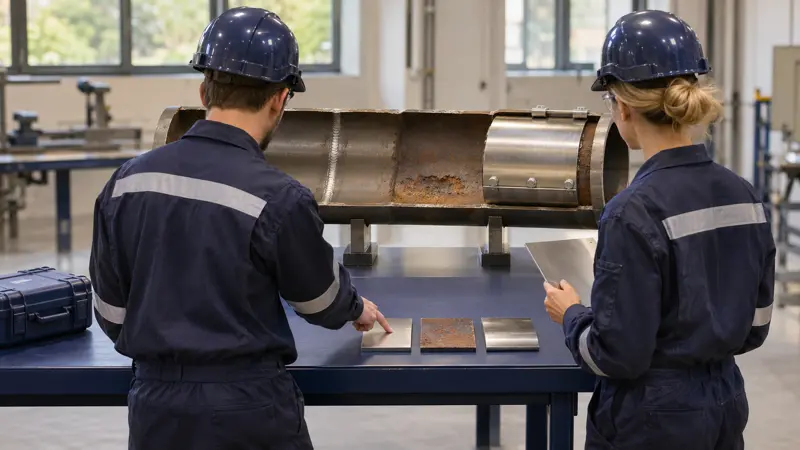
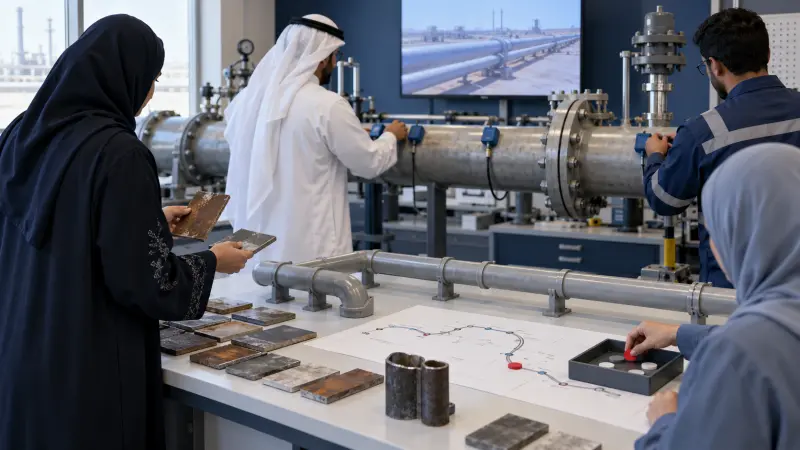
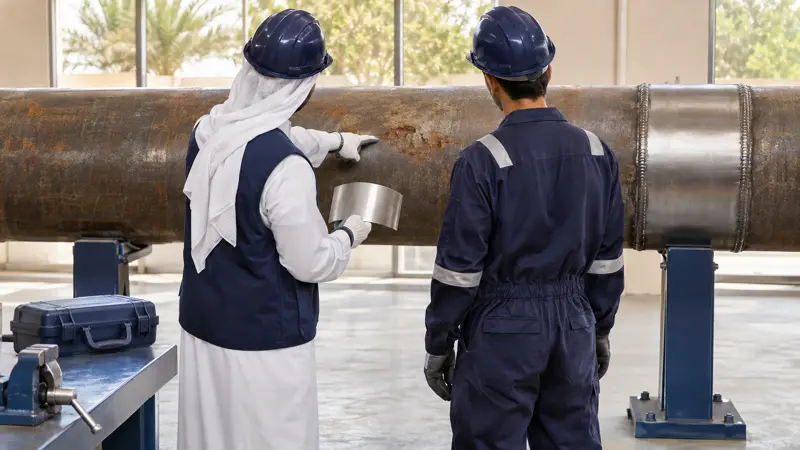
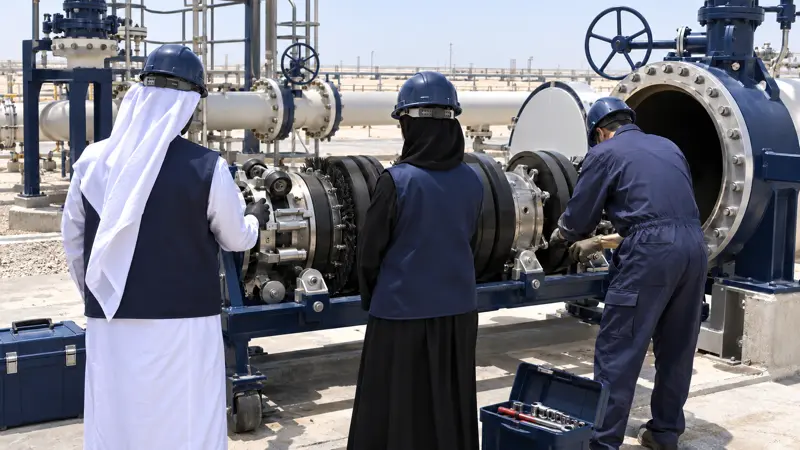
Pipeline Pigging and In-Line Inspection Training Course is a one-week practitioner course for pipeline integrity, inspection, corrosion, maintenance, and operations teams who leave with a Pipeline ILI Campaign Assurance File. The course connects pipeline pigging operations, piggability assessment, ILI tool selection, launch and receive controls, run validation, anomaly evaluation, and repair prioritization in one traceable workflow. Agile Leaders Training Center delivers this course on pipeline pigging and in-line inspection.
Who Should Attend
- Functions responsible for pipeline integrity assessment and inspection strategy
- Teams responsible for pigging campaign preparation and field coordination
- Groups responsible for corrosion threats and anomaly evaluation
- Personnel responsible for pipeline operations, maintenance, and work control
- Functions responsible for inspection data acceptance and repair priorities
The course assumes participants already support pipeline operations or integrity work and leaves out tool manufacture, proprietary data algorithms, engineering fitness-for-service calculations, and authorization for pressure-containing field tasks.
Departments and Industries
The course supports departments that plan, execute, verify, and act on internal pipeline inspection evidence.
- Oil and gas transmission and gathering systems
- Water, utility, and industrial pipeline networks
- Pipeline integrity and corrosion management
- Operations, maintenance, and reliability
- Inspection engineering and technical assurance
Learning Objectives
By the end of this course, participants will be able to:
- Analyze pipeline threats and piggability constraints.
- Compare utility, geometry, magnetic, ultrasonic, and crack-detection tools.
- Build a controlled pigging campaign plan.
- Apply launch, tracking, receiving, and contingency controls.
- Evaluate ILI data quality and anomaly records.
- Prioritize verification, repair, and follow-up actions.
Course Agenda
Day 1: Frame Pigging and Inspection
- Pipeline Threat and Inspection-Objective Matrix
- Utility, Cleaning, Gauging, and Intelligent Pig Selection Map
- Metal-Loss, Crack, Geometry, and Mapping Capability Table
- API 1163 ILI System Qualification Principles
- Operator and Service-Provider Responsibility Chart
Day 2: Establish Piggability and Readiness
- Pipeline Bore, Bend, Valve, and Fitting Compatibility Checklist
- Launcher, Receiver, Isolation, and Pressure-Relief Readiness Review
- Debris, Wax, Scale, and Liquid Management Sequence
- Cleaning and Gauging Run Acceptance Criteria
- ILI Tool Selection and Operating-Envelope Decision Sheet
Day 3: Control the Inspection Run
- Pigging Campaign Method Statement and Hold-Point Plan
- Pre-Launch Configuration and Communication Checklist
- Tool Launch, Passage, Tracking, and Speed-Control Log
- Receiver Approach, Depressurization, and Recovery Control Card
- Stalled, Lost, Damaged, or Bypassed Tool Contingency Matrix
Day 4: Validate Data and Direct Response
- Run Completeness, Coverage, and Sensor-Performance Review
- ILI Feature Matching and Location Alignment Method
- Anomaly Type, Dimension, Confidence, and Severity Register
- Dig Selection and Field-Verification Evidence Pack
- Repair Priority and Reinspection Decision Matrix
Day 5: Practice ILI Campaign Assurance
- Exercise: Match Pipeline Threats to Inspection Technologies
- Exercise: Complete a Piggability and Readiness Review
- Exercise: Resolve a Tool-Run Deviation Scenario
- Exercise: Validate and Classify an ILI Anomaly List
- Capstone Exercise: Build the Pipeline ILI Campaign Assurance File
Practical Exercises
The course uses suggested activities to connect field execution, inspection evidence, and integrity response.
- Suggested activity: compare pipeline geometry, product, flow, threat, and access constraints against candidate pig and ILI technologies.
- Suggested activity: build launch, tracking, receiving, communication, and contingency controls for a planned run.
- Suggested activity: test an inspection deliverable for coverage, location, confidence, and anomaly consistency.
- Suggested activity: convert verified findings into dig, repair, monitoring, and reinspection priorities.
FAQs
Who suits pipeline pigging and in-line inspection training, and what does it assume?
Pipeline pigging and in-line inspection training suits integrity, inspection, corrosion, maintenance, and operations personnel who already work with pipeline assets, operating records, or inspection campaigns within defined competence and work-control boundaries.
How does pipeline pigging training differ from pipeline digital twin training?
Pipeline pigging training concentrates on physical tool selection, piggability, launch and receive operations, run assurance, ILI data validation, and anomaly response; digital twin training concentrates on virtual asset models, data integration, indicators, and scenario-supported decisions.
How is an ILI tool selected for a pipeline inspection?
An ILI tool is selected by matching credible threats, pipe material, diameter, wall thickness, geometry, product, flow, access, required detection capability, sizing performance, and operating envelope to documented inspection objectives.
What makes an in-line inspection run acceptable?
An acceptable in-line inspection run meets defined coverage, tool-performance, speed, sensor, location, data-quality, and reporting criteria, with deviations documented and assessed before findings support integrity decisions.
How should pipeline ILI anomalies be prioritized?
Pipeline ILI anomalies are prioritized using feature type, size, confidence, location, interacting conditions, operating context, consequence, applicable criteria, verification needs, and qualified engineering review.
Conclusion
Participants take back a Pipeline ILI Campaign Assurance File. It connects threat selection, piggability evidence, readiness controls, run records, data acceptance, anomaly classification, and response priorities. It changes separate field and analysis activities into a traceable basis for safer execution, qualified review, and timely integrity action.
credits: 5 credit per day
Course Mode: full-time
Provider: Agile Leaders Training Center
-
Events for this Course
-
Phuket 29 November – 3 December 2026
-
Madrid 7 – 11 December 2026
-
Frankfurt 7 – 11 December 2026
-
Milan 14 – 18 December 2026
-
Bangkok 20 – 24 December 2026
-
Trabzon 20 – 24 December 2026
-
London 28 December 2026 – 1 January 2027
-
New York 28 December 2026 – 1 January 2027
-
Tbilisi 11 – 15 January 2027
-
Cape town 24 – 28 January 2027
-
Accra 1 – 5 February 2027
-
Singapore 1 – 5 February 2027
-
Vienna 8 – 12 February 2027
-
Porto 15 – 19 February 2027
-
Zanzibar 21 – 25 February 2027
-
Lagos 7 – 11 March 2027
-
London 8 – 12 March 2027
-
Istanbul 15 – 19 March 2027
-
Nairobi 21 – 25 March 2027
-
Chicago 28 March – 1 April 2027
-
Zoom 29 March – 2 April 2027
-
Barcelona 5 – 9 April 2027
-
Nice 5 – 9 April 2027
-
Montreux 19 – 23 April 2027
-
Bali 25 – 29 April 2027
-
Sharm El-Sheikh 3 – 7 May 2027
-
Baku 10 – 14 May 2027
-
Geneva 23 – 27 May 2027
-
Paris 31 May – 4 June 2027
-
Abu Dhabi 31 May – 4 June 2027
-
Seoul 7 – 11 June 2027
-
Muscat 20 – 24 June 2027
-
Dubai 28 June – 2 July 2027
-
Athens 28 June – 2 July 2027
-
Doha 11 – 15 July 2027
-
Munich 12 – 16 July 2027
-
Jakarta 19 – 23 July 2027
-
Langkawi 25 – 29 July 2027
-
Casablanca 2 – 6 August 2027
-
San Diego 2 – 6 August 2027
-
Addis Ababa 9 – 13 August 2027
-
Kuwait 15 – 19 August 2027
-
Rome 23 – 27 August 2027
-
Cairo 13 – 17 September 2027
-
Prague 20 – 24 September 2027
-
Abu Dhabi 20 – 24 September 2027
-
Dubai 27 September – 1 October 2027
-
Manama 3 – 7 October 2027
-
Toronto 3 – 7 October 2027
-
Tashkent 10 – 14 October 2027
-
Johannesburg 17 – 21 October 2027
-
Kuala Lumpur 18 – 22 October 2027
-
Amsterdam 1 – 5 November 2027
-
Lisbon 1 – 5 November 2027
-
Marbella 7 – 11 November 2027
-
Tokyo 8 – 12 November 2027
-
Amman 14 – 18 November 2027
-
Berlin 15 – 19 November 2027
When and where does this course run?
| Image | Location | Dates | Duration | Mode | Price | Actions |
|---|---|---|---|---|---|---|

|
Phuket |
Week 48, 2026 29 November – 3 December 2026 |
1 Week | Onsite | €8,000 | |

|
Madrid |
Week 50, 2026 7 – 11 December 2026 |
1 Week | Onsite | €6,500 | |

|
Frankfurt |
Week 50, 2026 7 – 11 December 2026 |
1 Week | Onsite | €6,500 | |

|
Milan |
Week 51, 2026 14 – 18 December 2026 |
1 Week | Onsite | €7,000 | |

|
Bangkok |
Week 51, 2026 20 – 24 December 2026 |
1 Week | Onsite | €8,000 | |

|
Trabzon |
Week 51, 2026 20 – 24 December 2026 |
1 Week | Onsite | €8,000 | |

|
London |
Week 53, 2026 28 December 2026 – 1 January 2027 |
1 Week | Onsite | €6,500 | |

|
New York |
Week 53, 2026 28 December 2026 – 1 January 2027 |
1 Week | Onsite | €16,000 | |

|
Tbilisi |
Week 02, 2027 11 – 15 January 2027 |
1 Week | Onsite | €5,700 | |

|
Cape town |
Week 03, 2027 24 – 28 January 2027 |
1 Week | Onsite | €6,000 | |

|
Accra |
Week 05, 2027 1 – 5 February 2027 |
1 Week | Onsite | €6,330 | |

|
Singapore |
Week 05, 2027 1 – 5 February 2027 |
1 Week | Onsite | €7,480 | |

|
Vienna |
Week 06, 2027 8 – 12 February 2027 |
1 Week | Onsite | €7,500 | |

|
Porto |
Week 07, 2027 15 – 19 February 2027 |
1 Week | Onsite | €6,500 | |

|
Zanzibar |
Week 07, 2027 21 – 25 February 2027 |
1 Week | Onsite | €6,000 | |
|
Lagos |
Week 09, 2027 7 – 11 March 2027 |
1 Week | Onsite | €6,000 | |
|
|
London |
Week 10, 2027 8 – 12 March 2027 |
1 Week | Onsite | €6,500 | |

|
Istanbul |
Week 11, 2027 15 – 19 March 2027 |
1 Week | Onsite | €6,000 | |

|
Nairobi |
Week 11, 2027 21 – 25 March 2027 |
1 Week | Onsite | €6,000 | |

|
Chicago |
Week 12, 2027 28 March – 1 April 2027 |
1 Week | Onsite | €16,000 |
Frequently asked questions
When does this course next run?
The next date runs 29 November – 3 December 2026 in Phuket. It is one of 58 dates scheduled up to November 2027.
Where is this course held?
In a classroom in 54 cities: Phuket, Madrid, Frankfurt, Milan, Bangkok, Trabzon, London, New York, and more. It is also scheduled as live online sessions.
Can I attend this course online?
Yes. One date is scheduled as a live online session: 29 March – 2 April 2027, from €3,000 per participant.
How long is the course?
1 Week. Each date shows its start and end dates.
How much does the course cost?
Fees per participant run from €5,200 (Sharm El-Sheikh) to €16,000 (New York) in a classroom, and from €3,000 live online. Each date shows its own fee.
What does this course cover?
OverviewPipeline Pigging and In-Line Inspection Training Course is a one-week practitioner course for pipeline integrity, inspection, corrosion, maintenance, and operations teams who leave with a Pipeline ILI Campaign Assurance File. The course connects pipeline pigging operations, piggability assessment, ILI tool selection, launch and receive controls, r…
Are training dates available?
Yes. Available dates and destinations are listed in the course dates section on this page.
How can I register?
Choose an available date on this page and complete the registration form, or send a programme enquiry.
Can I download the course brochure?
Yes. Use the brochure download link provided on this page.
Can this course be run for our team?
Yes. Tell us the number of participants and your preferred dates and city through our training request form.
This course by city
- Oil & Gas Training and Other Technical Courses in Abu Dhabi
- Oil & Gas Training and Other Technical Courses in Accra
- Oil & Gas Training and Other Technical Courses in Addis Ababa
- Oil & Gas Training and Other Technical Courses in Amman
- Oil & Gas Training and Other Technical Courses in Amsterdam
- Oil & Gas Training and Other Technical Courses in Athens
- Oil & Gas Training and Other Technical Courses in Baku
- Oil & Gas Training and Other Technical Courses in Bali
- Oil & Gas Training and Other Technical Courses in Bangkok
- Oil & Gas Training and Other Technical Courses in Barcelona
- Oil & Gas Training and Other Technical Courses in Berlin
- Oil & Gas Training and Other Technical Courses in Cairo
- Oil & Gas Training and Other Technical Courses in Cape town
- Oil & Gas Training and Other Technical Courses in Casablanca
- Oil & Gas Training and Other Technical Courses in Chicago
- Oil & Gas Training and Other Technical Courses in Doha
- Oil & Gas Training and Other Technical Courses in Dubai
- Oil & Gas Training and Other Technical Courses in Frankfurt
- Oil & Gas Training and Other Technical Courses in Geneva
- Oil & Gas Training and Other Technical Courses in Istanbul
- Oil & Gas Training and Other Technical Courses in Jakarta
- Oil & Gas Training and Other Technical Courses in Johannesburg
- Oil & Gas Training and Other Technical Courses in Kuala Lumpur
- Oil & Gas Training and Other Technical Courses in Kuwait
- Oil & Gas Training and Other Technical Courses in Lagos
- Oil & Gas Training and Other Technical Courses in Langkawi
- Oil & Gas Training and Other Technical Courses in Lisbon
- Oil & Gas Training and Other Technical Courses in London
- Oil & Gas Training and Other Technical Courses in Madrid
- Oil & Gas Training and Other Technical Courses in Manama
- Oil & Gas Training and Other Technical Courses in Marbella
- Oil & Gas Training and Other Technical Courses in Milan
- Oil & Gas Training and Other Technical Courses in Montreux
- Oil & Gas Training and Other Technical Courses in Munich
- Oil & Gas Training and Other Technical Courses in Muscat
- Oil & Gas Training and Other Technical Courses in Nairobi
- Oil & Gas Training and Other Technical Courses in New York
- Oil & Gas Training and Other Technical Courses in Nice
- Oil & Gas Training and Other Technical Courses in Paris
- Oil & Gas Training and Other Technical Courses in Phuket
- Oil & Gas Training and Other Technical Courses in Porto
- Oil & Gas Training and Other Technical Courses in Prague
- Oil & Gas Training and Other Technical Courses in Rome
- Oil & Gas Training and Other Technical Courses in San Diego
- Oil & Gas Training and Other Technical Courses in Seoul
- Oil & Gas Training and Other Technical Courses in Sharm El-Sheikh
- Oil & Gas Training and Other Technical Courses in Singapore
- Oil & Gas Training and Other Technical Courses in Tashkent
- Oil & Gas Training and Other Technical Courses in Tbilisi
- Oil & Gas Training and Other Technical Courses in Tokyo
- Oil & Gas Training and Other Technical Courses in Toronto
- Oil & Gas Training and Other Technical Courses in Trabzon
- Oil & Gas Training and Other Technical Courses in Vienna
- Oil & Gas Training and Other Technical Courses in Zanzibar
- Oil & Gas Training and Other Technical Courses in Zoom
More ways to train
- Every date of this courseAll cities and months, with fees
- Oil & Gas Training and Other Technical CoursesEvery course in this subject
- Live online coursesTrain from wherever you are
- Training citiesCourses in each city
- All upcoming datesThe course calendar by month
- Training for your teamTell us the course, the number of participants and your dates
- Contact usAsk us about this course