Pressure Safety Valve Test Bench Training Course

At a glance
- Duration
- 1 Week
- Format
- Classroom
- Cities
- Tbilisi, Lisbon, Barcelona, San Diego, Amsterdam, Geneva and more
- Next session
- 9 – 13 November 2026, Tbilisi
- Average fee
- 7,500 €
Overview
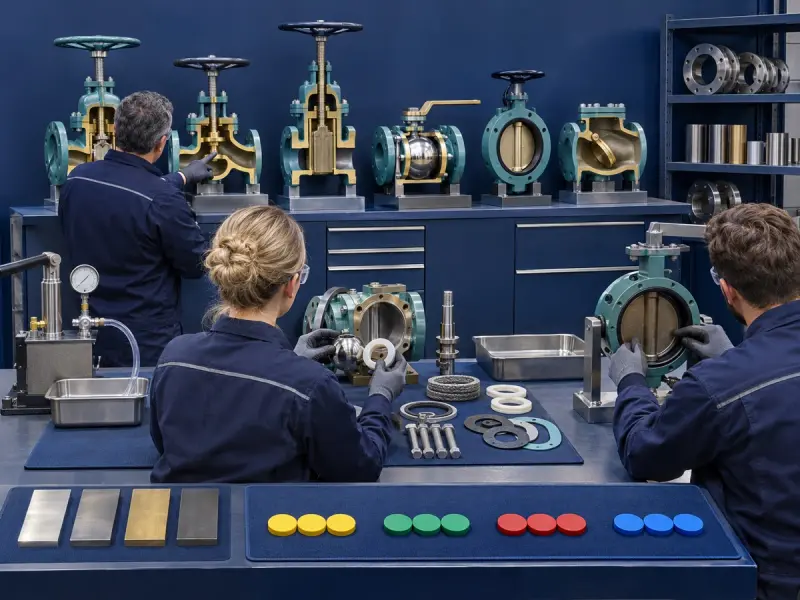
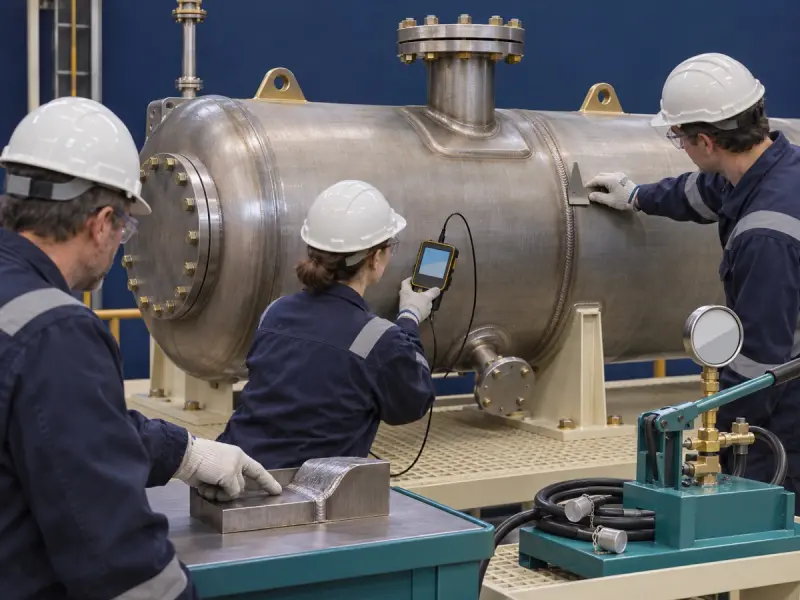
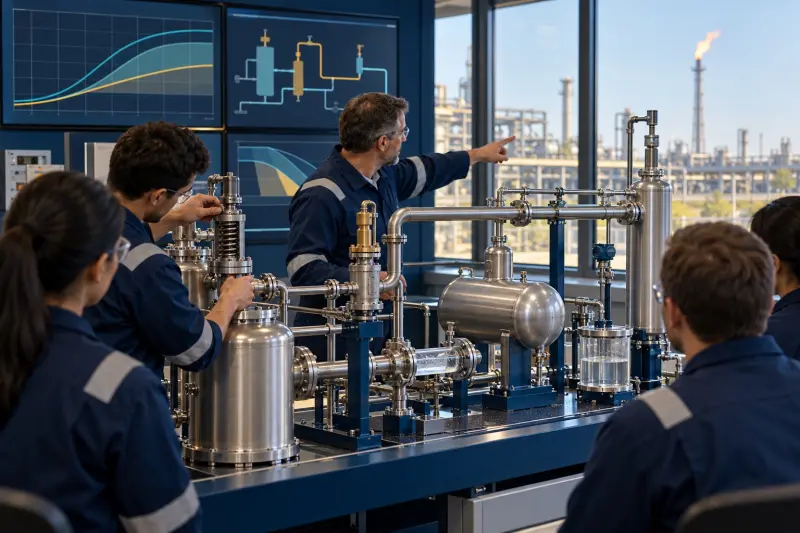
Pressure Safety Valve Test Bench Operations Training Course is a one-week practical course for valve technicians, mechanical maintenance personnel, inspection engineers, workshop supervisors, and reliability staff. Participants build a PSV Test and Release File connecting valve identification, condition evidence, controlled disassembly, bench readiness, calibrated instruments, set-pressure and seat-tightness tests, adjustment records, acceptance decisions, and return-to-service controls. Agile Leaders Training Center develops disciplined pressure safety valve workshop practice without granting code-repair authorization.
Who Should Attend
- Valve technicians who receive, inspect, dismantle, assemble, adjust, and bench-test pressure safety valves
- Mechanical maintenance personnel responsible for valve condition, parts, cleanliness, and workshop controls
- Inspection engineers who review test evidence, acceptance criteria, defects, and release records
- Workshop supervisors responsible for safe test-bench setup, instrument status, and work authorization
- Reliability personnel who analyze failure evidence, repeat test results, and maintenance history
Participants should understand basic pressure, mechanical isolation, and valve terminology. The course does not authorize code-stamped repair, capacity certification, live-system testing, or deviation from the applicable code, owner procedure, manufacturer instruction, and competent-authority requirements.
Departments and Industries
The course supports organizations that inspect, maintain, test, and manage pressure safety valves.
- Oil and gas production, refining, petrochemical, and gas-processing facilities
- Power generation, utilities, steam systems, and industrial boiler operations
- Chemical, fertilizer, pharmaceutical, and process-manufacturing plants
- Mechanical maintenance, inspection, reliability, and asset-integrity departments
- Valve workshops, service contractors, test-only organizations, and repair facilities
Learning Objectives
By the end of this course, participants will be able to:
- Identify PSV types, components, nameplate data, operating terms, and service boundaries.
- Plan safe receipt, isolation confirmation, handling, inspection, disassembly, and cleaning activities.
- Verify test-bench readiness, test medium, vessel volume, pressure source, instrument range, and calibration traceability.
- Perform controlled set-pressure, repeatability, blowdown, and seat-tightness test sequences under an approved procedure.
- Diagnose unstable opening, leakage, damaged parts, contamination, incorrect assembly, and test-system effects.
- Complete a traceable test record and support an authorized acceptance, rejection, or return-to-service decision.
Course Agenda
Day 1: Establish PSV Fundamentals and Work Boundaries
- Pressure Safety Valve Purpose and Protection Boundary
- Spring-Loaded, Balanced, Bellows, and Pilot-Operated Valve Comparison
- Body, Nozzle, Disc, Seat, Spring, Stem, Guide, and Adjustment Components
- Set Pressure, Overpressure, Accumulation, Blowdown, and Seat Tightness Terms
- Nameplate, Service Medium, Code Basis, Manufacturer Data, and Work-Scope Review
Day 2: Receive, Inspect, and Prepare the Valve
- Isolation, Depressurization, Removal, Transport, and Contamination Controls
- Incoming Valve Identification and As-Received Condition Record
- Pretest Decision and Safe Test-Gag Check
- Controlled Disassembly, Parts Segregation, and Cleaning Plan
- Corrosion, Deposits, Damage, Wear, Alignment, and Seat-Surface Inspection
Day 3: Prepare the PSV Test Bench
- Test Stand Boundary, Restraint, Shielding, Venting, and Exclusion-Zone Check
- Test Medium, Pressure Source, Receiver Volume, and Connection Selection
- Gauge Range, Resolution, Calibration Status, and Traceability Review
- Leak Check, Instrument Zero, Test Sequence, and Emergency Stop Verification
- Valve Mounting, Orientation, Secondary Pressure Zone, and Data Sheet Setup
Day 4: Execute Tests and Diagnose Results
- Controlled Pressure Increase and Set-Pressure Observation
- Repeatability, Opening Behaviour, Reseat, and Blowdown Assessment
- Seat-Tightness Test Method and Leakage Evidence
- Adjustment Control, Seal Integrity, and Retest Sequence
- Unstable Popping, Chatter, Leakage, Test-Volume, Gauge, and Assembly Troubleshooting
Day 5: Document and Control Return to Service
- Suggested Exercise: Inspect and Classify an As-Received PSV
- Suggested Exercise: Verify Test-Bench and Instrument Readiness
- Suggested Exercise: Execute and Record a PSV Test Sequence
- Suggested Exercise: Diagnose a Failed or Nonrepeatable Result
- Capstone Exercise: Present a PSV Test and Release File
Practical Exercises
The course uses suggested workshop activities and controlled simulations based on approved procedures and nonhazardous training conditions.
- Suggested activity: compare nameplate and work-order information, identify scope conflicts, and record the as-received valve condition.
- Suggested activity: select a suitable test arrangement, confirm calibrated instruments, verify the pressure boundary, and complete a readiness checklist.
- Suggested activity: record set-pressure, reseat, blowdown, repeatability, and seat-tightness evidence without exceeding the authorized test procedure.
- Suggested activity: trace an abnormal result to valve condition, assembly, contamination, instrument choice, insufficient test volume, or operating technique.
FAQs
Who suits pressure safety valve test bench training?
Pressure safety valve test bench training suits valve technicians, mechanical maintenance personnel, inspectors, workshop supervisors, and reliability staff who prepare, test, document, or review PSVs.
Does this course authorize pressure safety valve repair?
No. The course develops knowledge and controlled workshop practice. Repair, alteration, stamping, certification, and final authorization remain subject to the applicable code, jurisdiction, quality system, manufacturer requirements, and authorized organization.
Why do test-vessel volume and pressure-source capacity matter?
The test arrangement must provide sufficient pressure and stored volume for the valve to exhibit the required opening behaviour. An unsuitable stand can distort set-pressure, popping, and blowdown observations.
What belongs in a PSV test record?
A traceable record identifies the valve, work scope, procedure, test medium, bench and instrument status, calibration references, observations, repeated results, adjustments, leakage evidence, acceptance criteria, personnel, seals, and disposition.
Conclusion
Participants leave with a PSV Test and Release File for their organization. It combines valve identification, incoming condition, inspection findings, parts controls, bench readiness, calibration evidence, test results, adjustment history, troubleshooting notes, and disposition. The file supports repeatable workshop practice and defensible authorized decisions.
credits: 5 credit per day
Course Mode: full-time
Provider: Agile Leaders Training Center
-
Events for this Course
-
Tbilisi 9 – 13 November 2026
-
Lisbon 9 – 13 November 2026
-
Barcelona 16 – 20 November 2026
-
San Diego 16 – 20 November 2026
-
Amsterdam 23 – 27 November 2026
-
Geneva 29 November – 3 December 2026
-
Nairobi 29 November – 3 December 2026
-
London 7 – 11 December 2026
-
Munich 7 – 11 December 2026
-
New York 14 – 18 December 2026
-
Lagos 20 – 24 December 2026
-
Kuala Lumpur 4 – 8 January 2027
-
Athens 4 – 8 January 2027
-
Prague 11 – 15 January 2027
-
Nice 18 – 22 January 2027
-
Vienna 25 – 29 January 2027
-
Abu Dhabi 25 – 29 January 2027
-
Dubai 1 – 5 February 2027
-
Frankfurt 1 – 5 February 2027
-
Montreux 15 – 19 February 2027
-
Berlin 22 – 26 February 2027
-
Zanzibar 28 February – 4 March 2027
-
Cape town 14 – 18 March 2027
-
Cairo 15 – 19 March 2027
-
Johannesburg 21 – 25 March 2027
-
Accra 28 March – 1 April 2027
-
Madrid 29 March – 2 April 2027
-
Chicago 4 – 8 April 2027
-
Rome 5 – 9 April 2027
-
Paris 12 – 16 April 2027
-
Singapore 12 – 16 April 2027
-
London 19 – 23 April 2027
-
Tokyo 26 – 30 April 2027
-
Istanbul 3 – 7 May 2027
-
Addis Ababa 3 – 7 May 2027
-
Doha 16 – 20 May 2027
-
Phuket 23 – 27 May 2027
-
Milan 31 May – 4 June 2027
-
Seoul 14 – 18 June 2027
-
Muscat 20 – 24 June 2027
-
Langkawi 27 June – 1 July 2027
-
Tashkent 27 June – 1 July 2027
-
Trabzon 18 – 22 July 2027
-
Zoom 19 – 23 July 2027
-
Baku 26 – 30 July 2027
-
Jakarta 2 – 6 August 2027
-
Bangkok 8 – 12 August 2027
-
Manama 15 – 19 August 2027
-
Abu Dhabi 16 – 20 August 2027
-
Toronto 22 – 26 August 2027
-
Casablanca 23 – 27 August 2027
-
Bali 29 August – 2 September 2027
-
Kuwait 12 – 16 September 2027
-
Dubai 13 – 17 September 2027
-
Amman 19 – 23 September 2027
-
Marbella 26 – 30 September 2027
-
Porto 18 – 22 October 2027
-
Sharm El-Sheikh 1 – 5 November 2027
| Image | Location | Dates | Duration | Mode | Price | Actions |
|---|---|---|---|---|---|---|

|
Berlin |
Week 08, 2027 22 – 26 February 2027 |
1 Week | Onsite | €6,500 | |

|
Zanzibar |
Week 08, 2027 28 February – 4 March 2027 |
1 Week | Onsite | €6,000 | |

|
Cape town |
Week 10, 2027 14 – 18 March 2027 |
1 Week | Onsite | €6,000 | |

|
Cairo |
Week 11, 2027 15 – 19 March 2027 |
1 Week | Onsite | €5,200 | |

|
Johannesburg |
Week 11, 2027 21 – 25 March 2027 |
1 Week | Onsite | €6,000 | |

|
Accra |
Week 12, 2027 28 March – 1 April 2027 |
1 Week | Onsite | €6,000 | |

|
Madrid |
Week 13, 2027 29 March – 2 April 2027 |
1 Week | Onsite | €6,500 | |

|
Chicago |
Week 13, 2027 4 – 8 April 2027 |
1 Week | Onsite | €16,000 | |

|
Rome |
Week 14, 2027 5 – 9 April 2027 |
1 Week | Onsite | €6,500 | |

|
Paris |
Week 15, 2027 12 – 16 April 2027 |
1 Week | Onsite | €6,500 | |

|
Singapore |
Week 15, 2027 12 – 16 April 2027 |
1 Week | Onsite | €6,500 | |

|
London |
Week 16, 2027 19 – 23 April 2027 |
1 Week | Onsite | €6,500 | |

|
Tokyo |
Week 17, 2027 26 – 30 April 2027 |
1 Week | Onsite | €12,000 | |

|
Istanbul |
Week 18, 2027 3 – 7 May 2027 |
1 Week | Onsite | €6,000 | |

|
Addis Ababa |
Week 18, 2027 3 – 7 May 2027 |
1 Week | Onsite | €6,000 | |

|
Doha |
Week 19, 2027 16 – 20 May 2027 |
1 Week | Onsite | €7,000 | |

|
Phuket |
Week 20, 2027 23 – 27 May 2027 |
1 Week | Onsite | €8,000 | |

|
Milan |
Week 22, 2027 31 May – 4 June 2027 |
1 Week | Onsite | €7,000 | |

|
Seoul |
Week 24, 2027 14 – 18 June 2027 |
1 Week | Onsite | €12,000 | |

|
Muscat |
Week 24, 2027 20 – 24 June 2027 |
1 Week | Onsite | €6,500 |
Frequently asked questions
What does this course cover?
OverviewPressure Safety Valve Test Bench Operations Training Course is a one-week practical course for valve technicians, mechanical maintenance personnel, inspection engineers, workshop supervisors, and reliability staff. Participants build a PSV Test and Release File connecting valve identification, condition evidence, controlled disassembly, bench read…
Are training dates available?
Yes. Available dates and destinations are listed in the course dates section on this page.
How can I register?
Choose an available date on this page and complete the registration form, or send a programme enquiry.
Can I download the course brochure?
Yes. Use the brochure download link provided on this page.
This course by city
- Oil & Gas Training and Other Technical Courses in Abu Dhabi
- Oil & Gas Training and Other Technical Courses in Accra
- Oil & Gas Training and Other Technical Courses in Addis Ababa
- Oil & Gas Training and Other Technical Courses in Amman
- Oil & Gas Training and Other Technical Courses in Amsterdam
- Oil & Gas Training and Other Technical Courses in Athens
- Oil & Gas Training and Other Technical Courses in Baku
- Oil & Gas Training and Other Technical Courses in Bali
- Oil & Gas Training and Other Technical Courses in Bangkok
- Oil & Gas Training and Other Technical Courses in Barcelona
- Oil & Gas Training and Other Technical Courses in Berlin
- Oil & Gas Training and Other Technical Courses in Cairo
- Oil & Gas Training and Other Technical Courses in Cape town
- Oil & Gas Training and Other Technical Courses in Casablanca
- Oil & Gas Training and Other Technical Courses in Chicago
- Oil & Gas Training and Other Technical Courses in Doha
- Oil & Gas Training and Other Technical Courses in Dubai
- Oil & Gas Training and Other Technical Courses in Frankfurt
- Oil & Gas Training and Other Technical Courses in Geneva
- Oil & Gas Training and Other Technical Courses in Istanbul
- Oil & Gas Training and Other Technical Courses in Jakarta
- Oil & Gas Training and Other Technical Courses in Johannesburg
- Oil & Gas Training and Other Technical Courses in Kuala Lumpur
- Oil & Gas Training and Other Technical Courses in Kuwait
- Oil & Gas Training and Other Technical Courses in Lagos
- Oil & Gas Training and Other Technical Courses in Langkawi
- Oil & Gas Training and Other Technical Courses in Lisbon
- Oil & Gas Training and Other Technical Courses in London
- Oil & Gas Training and Other Technical Courses in Madrid
- Oil & Gas Training and Other Technical Courses in Manama
- Oil & Gas Training and Other Technical Courses in Marbella
- Oil & Gas Training and Other Technical Courses in Milan
- Oil & Gas Training and Other Technical Courses in Montreux
- Oil & Gas Training and Other Technical Courses in Munich
- Oil & Gas Training and Other Technical Courses in Muscat
- Oil & Gas Training and Other Technical Courses in Nairobi
- Oil & Gas Training and Other Technical Courses in New York
- Oil & Gas Training and Other Technical Courses in Nice
- Oil & Gas Training and Other Technical Courses in Paris
- Oil & Gas Training and Other Technical Courses in Phuket
- Oil & Gas Training and Other Technical Courses in Porto
- Oil & Gas Training and Other Technical Courses in Prague
- Oil & Gas Training and Other Technical Courses in Rome
- Oil & Gas Training and Other Technical Courses in San Diego
- Oil & Gas Training and Other Technical Courses in Seoul
- Oil & Gas Training and Other Technical Courses in Sharm El-Sheikh
- Oil & Gas Training and Other Technical Courses in Singapore
- Oil & Gas Training and Other Technical Courses in Tashkent
- Oil & Gas Training and Other Technical Courses in Tbilisi
- Oil & Gas Training and Other Technical Courses in Tokyo
- Oil & Gas Training and Other Technical Courses in Toronto
- Oil & Gas Training and Other Technical Courses in Trabzon
- Oil & Gas Training and Other Technical Courses in Vienna
- Oil & Gas Training and Other Technical Courses in Zanzibar
- Oil & Gas Training and Other Technical Courses in Zoom