Public Health Preparedness for Major Events Course

At a glance
- Duration
- 5 days
- Format
- Classroom
- Cities
- Kuala Lumpur, Geneva, Kuwait, Dubai, Istanbul, Abu Dhabi and more
- Next session
- 5 – 9 October 2026, Kuala Lumpur
- Average fee
- 5,800 €
Course Overview
“Public Health Preparedness for Major Events: Risk, Response & Safety Planning” is a comprehensive corporate training program designed to build advanced competencies in managing public health risks associated with large-scale events. The course focuses on developing strong systems for public health preparedness, major events health preparedness, mass gathering health management, and public health emergency planning. Participants learn to anticipate, detect, and respond to emerging threats by strengthening public health risk management processes and emergency preparedness for events.
Throughout the program, learners examine real-world applications of public health emergency response, mass gathering public health strategies, health security for major events, and event health risk assessment. The course emphasizes integrated planning, cross-agency collaboration, and structured decision-making using global best practices. Participants gain practical experience in public health crisis management, emergency response preparedness, mass gathering safety planning, and public health incident management.
Additional components include health system readiness training, large event emergency planning, public health surveillance for events, medical services planning for events, and operational frameworks for emergency operations for major events. By the end of the course, participants will be equipped with the knowledge and methods needed to protect communities, maintain safety, and ensure effective health coordination during major national and international events.
Target Audience
- Public Health Officers
- Emergency Preparedness Specialists
- Mass Gathering Event Organizers
- Crisis and Incident Managers
- Health and Safety Professionals
- Epidemiologists and Surveillance Analysts
- Hospital Emergency Managers
- Government Health Planners
- Security and Risk Management Staff
- Operations Managers for Large Events
Targeted Organizational Departments
- Public health departments responsible for public health preparedness and public health emergency planning
- Emergency operations and crisis units managing public health risk management and public health emergency response
- Surveillance and monitoring units overseeing public health surveillance for events and mass gathering public health
- Safety and operations departments working on mass gathering safety planning and large event emergency planning
- Medical and clinical service departments involved in medical services planning for events and health system readiness training
- Disaster management and response teams coordinating emergency preparedness for events and public health incident management
Targeted Industries
- Government ministries and public sector agencies
- National public health institutes
- Hospitals and emergency medical systems
- Transport authorities and airport operations
- International sports organizations and federations
- Cultural and religious event organizers
- NGOs working in emergency response
- Private sector event management companies
- Security and risk management firms
- Universities and research institutions
Course Offerings
By the end of this course, participants will be able to:
- Apply comprehensive public health preparedness strategies for major events
- Implement major events health preparedness measures using global best practices
- Design mass gathering health management plans that address critical risks
- Develop public health emergency planning frameworks tailored to large events
- Conduct event health risk assessment and prioritize high-impact threats
- Strengthen public health emergency response systems and decision processes
- Coordinate emergency preparedness for events across multiple stakeholders
- Apply public health crisis management principles during high-pressure scenarios
- Build mass gathering safety planning strategies aligned with operational needs
Training Methodology
This training program uses a highly interactive, scenario-driven methodology that emphasizes practical application of public health preparedness, major events health preparedness, and mass gathering health management. Participants take part in group activities, simulations, and structured decision-making exercises to strengthen their understanding of public health emergency planning and public health risk management.
Case studies based on historical and contemporary major events allow learners to practice public health emergency response techniques, event health risk assessment, and mass gathering safety planning. These exercises help participants evaluate complex environments, identify vulnerabilities, and coordinate with multiple agencies during emergencies.
Interactive workshops focus on public health crisis management, emergency response preparedness, and public health incident management. Tabletop simulations are used to replicate real-time challenges in public health surveillance for events, health system readiness training, medical services planning for events, and emergency operations for major events.
Participants also engage in collaborative planning activities that build large event emergency planning competencies and allow them to refine risk mitigation strategies. The training concludes with structured reflection and feedback sessions that help learners reinforce practical skills, enhance communication, and apply learned concepts directly to their professional roles.
Course Toolbox
Participants will receive insights and examples of:
- Public health preparedness assessment templates
- Models for mass gathering health management planning
- Public health emergency planning process maps
- Tools for public health risk management and prioritization
- Public health emergency response coordination flowcharts
- Crisis management communication templates
- Mass gathering safety planning guidelines
- Public health incident management process diagrams
Course Agenda
Day 1: Foundations of Public Health Preparedness
- Topic 1: Introduction to public health preparedness and major events health preparedness
- Topic 2: Principles of mass gathering health management and multi-agency coordination
- Topic 3: Public health emergency planning for large-scale events
- Topic 4: Frameworks for public health risk management and hazard profiling
- Topic 5: Event health risk assessment and prioritization of threats
- Topic 6: Foundations of public health emergency response for major events
- Reflection & Review: Key lessons on preparedness concepts and foundational risk planning
Day 2: Surveillance, Detection, and Early Warning Systems
- Topic 1: Public health surveillance for events and real-time monitoring
- Topic 2: Strengthening emergency preparedness for events through data-driven insights
- Topic 3: Public health incident management and operational activation
- Topic 4: Mass gathering safety planning using evidence-based approaches
- Topic 5: Health system readiness training and surge capacity strategies
- Topic 6: Emergency response preparedness for high-risk and fast-evolving scenarios
- Reflection & Review: Review of early detection systems and surveillance decision-making
Day 3: Health Security and Operational Preparedness
- Topic 1: Large event emergency planning and risk mitigation structures
- Topic 2: Integrating health security for major events into operational planning
- Topic 3: Emergency operations for major events with unified command systems
- Topic 4: Medical services planning for events, including logistics and deployment
- Topic 5: Public health crisis management and coordinated communication
- Topic 6: Enhancing public health emergency response capabilities for large gatherings
- Reflection & Review: Evaluation of health security readiness and operational planning challenges
Day 4: Response, Coordination, and Incident Management
- Topic 1: Advanced public health incident management roles and responsibilities
- Topic 2: Emergency response preparedness for crowd incidents and health threats
- Topic 3: Managing mass gathering public health disruptions in real time
- Topic 4: Integrating epidemiological and operational data in decision-making
- Topic 5: Strengthening large event emergency planning and continuity systems
- Topic 6: Cross-agency emergency operations for major events and rapid coordination
- Reflection & Review: Analysis of response coordination and incident management effectiveness
Day 5: Evaluation, Improvement, and Long-Term Public Health Readiness
- Topic 1: Post-event assessment and improving public health preparedness outcomes
- Topic 2: Sustaining mass gathering health management for recurring events
- Topic 3: Long-term development of public health emergency planning frameworks
- Topic 4: Strengthening public health surveillance for future major events
- Topic 5: Long-term medical services planning for events and system enhancement
- Topic 6: Building resilience in emergency operations for major events
- Reflection & Review: Final synthesis and long-term strategic roadmap for public health readiness
FAQ
What specific qualifications or prerequisites are needed for participants before enrolling in the course?
Participants should have basic knowledge of public health, emergency management, or event operations. Familiarity with incident management or public health systems is helpful but not mandatory.
How long is each day's session, and is there a total number of hours required for the entire course?
Each day includes 4–5 hours of training with interactive activities. The total duration is 20–25 hours across five days.
What is the most common challenge organizations face when preparing for major public health events?
The most common challenge is insufficient coordination between sectors, which limits effective public health preparedness, emergency response preparedness, and public health incident management during time-sensitive scenarios.
How This Course is Different
This course is uniquely designed to address the complex realities of public health preparedness for major events by integrating operational, strategic, and health security concepts into a single, comprehensive framework. Unlike general emergency management training, this program focuses specifically on the intersection of major events health preparedness, mass gathering health management, and public health emergency planning.
Participants receive a holistic learning experience that emphasizes public health risk management, event health risk assessment, public health emergency response, and emergency preparedness for events. The course goes beyond conceptual theory and provides hands-on practice in public health crisis management, mass gathering safety planning, public health incident management, and large event emergency planning.
The agenda is structured to build competencies progressively, from foundational knowledge to advanced emergency operations for major events, including public health surveillance for events and medical services planning for events. By combining scenario-driven learning with structured decision-making and cross-sector coordination exercises, this course equips participants with practical tools and applied methods not commonly found in conventional programs.
Professionals leave the course with actionable strategies to strengthen systems, enhance readiness, and safeguard public health during high-risk, large-scale events.
credits: 5 credit per day
Course Mode: full-time
Provider: Agile Leaders Training Center
-
Events for this Course
-
Kuala Lumpur 5 – 9 October 2026
-
Geneva 11 – 15 October 2026
-
Kuwait 18 – 22 October 2026
-
Dubai 26 – 30 October 2026
-
Istanbul 26 – 30 October 2026
-
Abu Dhabi 26 – 30 October 2026
-
Sharm El-Sheikh 2 – 6 November 2026
-
London 9 – 13 November 2026
-
Jakarta 16 – 20 November 2026
-
Amsterdam 23 – 27 November 2026
-
Manama 29 November – 3 December 2026
-
Athens 7 – 11 December 2026
-
Madrid 14 – 18 December 2026
-
Porto 14 – 18 December 2026
-
Vienna 21 – 25 December 2026
-
Abu Dhabi 21 – 25 December 2026
-
Baku 28 December 2026 – 1 January 2027
-
Barcelona 4 – 8 January 2027
-
Montreux 11 – 15 January 2027
-
Berlin 11 – 15 January 2027
-
Riyadh 17 – 21 January 2027
-
Kuala Lumpur 18 – 22 January 2027
-
Al Jubail 24 – 28 January 2027
-
Dubai 25 – 29 January 2027
-
Amsterdam 1 – 5 February 2027
-
Toronto 7 – 11 February 2027
-
Tokyo 8 – 12 February 2027
-
Vienna 15 – 19 February 2027
-
London 22 – 26 February 2027
-
Abu Dhabi 22 – 26 February 2027
-
Langkawi 28 February – 4 March 2027
-
Rome 8 – 12 March 2027
-
San Diego 15 – 19 March 2027
-
Madrid 22 – 26 March 2027
-
Milan 29 March – 2 April 2027
-
Lisbon 29 March – 2 April 2027
-
Chicago 4 – 8 April 2027
-
Cairo 12 – 16 April 2027
-
Prague 12 – 16 April 2027
-
Cape town 18 – 22 April 2027
-
Tbilisi 26 – 30 April 2027
-
Bali 2 – 6 May 2027
-
Seoul 3 – 7 May 2027
-
Paris 10 – 14 May 2027
-
Frankfurt 10 – 14 May 2027
-
Amman 16 – 20 May 2027
-
Dubai 24 – 28 May 2027
-
Casablanca 24 – 28 May 2027
-
London 31 May – 4 June 2027
-
Munich 7 – 11 June 2027
-
Abu Dhabi 7 – 11 June 2027
-
Johannesburg 13 – 17 June 2027
-
Tashkent 13 – 17 June 2027
-
Milan 21 – 25 June 2027
-
Barcelona 28 June – 2 July 2027
-
Zanzibar 4 – 8 July 2027
-
New York 5 – 9 July 2027
-
Muscat 11 – 15 July 2027
-
Istanbul 12 – 16 July 2027
-
Amsterdam 19 – 23 July 2027
-
Nice 19 – 23 July 2027
-
Zoom 26 – 30 July 2027
-
Nairobi 1 – 5 August 2027
-
Doha 8 – 12 August 2027
-
Accra 15 – 19 August 2027
-
Dubai 16 – 20 August 2027
-
Singapore 16 – 20 August 2027
-
Trabzon 22 – 26 August 2027
-
Manama 29 August – 2 September 2027
-
Phuket 5 – 9 September 2027
-
Marbella 12 – 16 September 2027
-
Cairo 13 – 17 September 2027
-
Rome 13 – 17 September 2027
-
London 20 – 24 September 2027
-
Bangkok 26 – 30 September 2027
-
Paris 4 – 8 October 2027
| Image | Location | Dates | Duration | Mode | Price | Actions |
|---|---|---|---|---|---|---|

|
Riyadh |
Week 02, 2027 17 – 21 January 2027 |
5 Days | Onsite | €5,700 | |

|
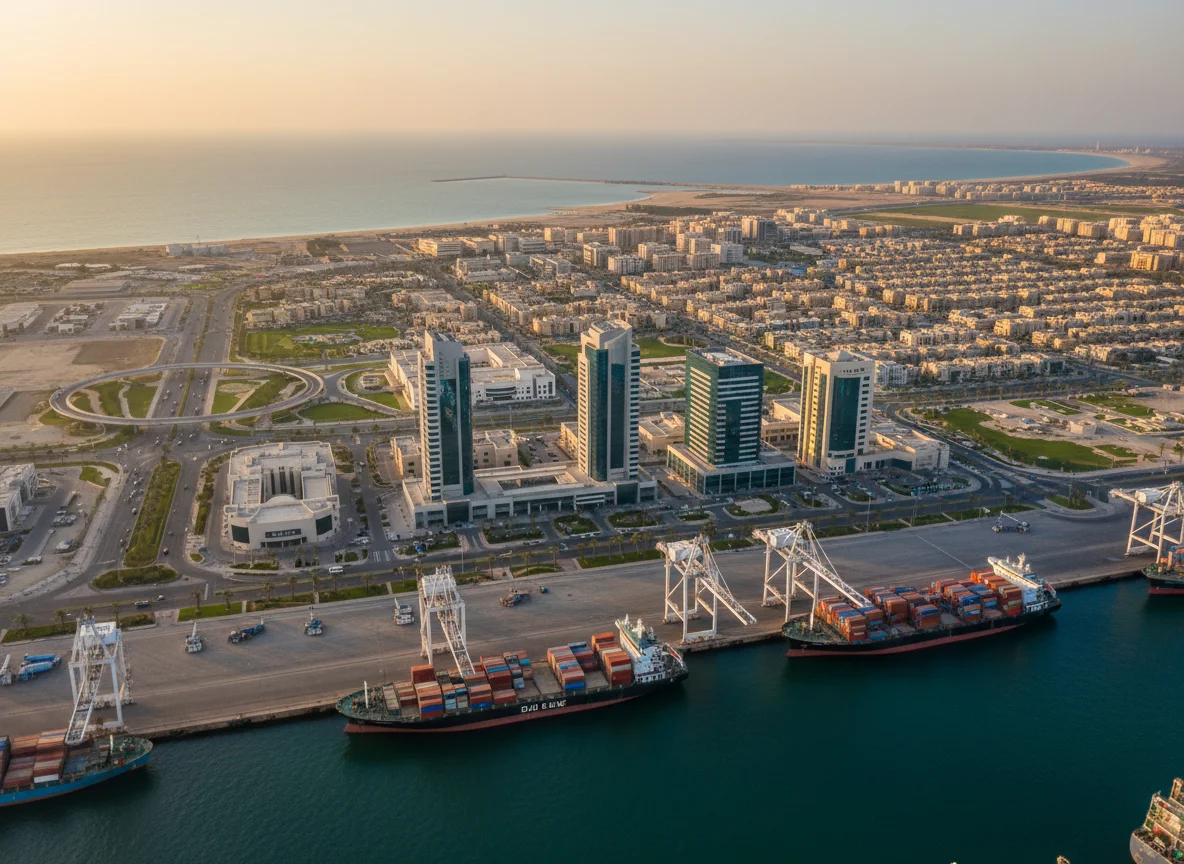
Kuala Lumpur |
Week 03, 2027 18 – 22 January 2027 |
5 Days | Onsite | €5,200 | |
|
Al Jubail |
Week 03, 2027 24 – 28 January 2027 |
5 Days | Onsite | €5,700 | |

|
Dubai |
Week 04, 2027 25 – 29 January 2027 |
5 Days | Onsite | €4,500 | |

|
Amsterdam |
Week 05, 2027 1 – 5 February 2027 |
5 Days | Onsite | €5,700 | |

|
Toronto |
Week 05, 2027 7 – 11 February 2027 |
5 Days | Onsite | €12,000 | |

|
Tokyo |
Week 06, 2027 8 – 12 February 2027 |
5 Days | Onsite | €10,000 | |

|
Vienna |
Week 07, 2027 15 – 19 February 2027 |
5 Days | Onsite | €5,700 | |

|
London |
Week 08, 2027 22 – 26 February 2027 |
5 Days | Onsite | €5,700 | |

|
Abu Dhabi |
Week 08, 2027 22 – 26 February 2027 |
5 Days | Onsite | €4,700 | |

|
Langkawi |
Week 08, 2027 28 February – 4 March 2027 |
5 Days | Onsite | €6,000 | |

|
Rome |
Week 10, 2027 8 – 12 March 2027 |
5 Days | Onsite | €5,700 | |

|
San Diego |
Week 11, 2027 15 – 19 March 2027 |
5 Days | Onsite | €14,000 | |

|
Madrid |
Week 12, 2027 22 – 26 March 2027 |
5 Days | Onsite | €5,700 | |

|
Milan |
Week 13, 2027 29 March – 2 April 2027 |
5 Days | Onsite | €5,700 | |

|
Lisbon |
Week 13, 2027 29 March – 2 April 2027 |
5 Days | Onsite | €5,700 | |
|
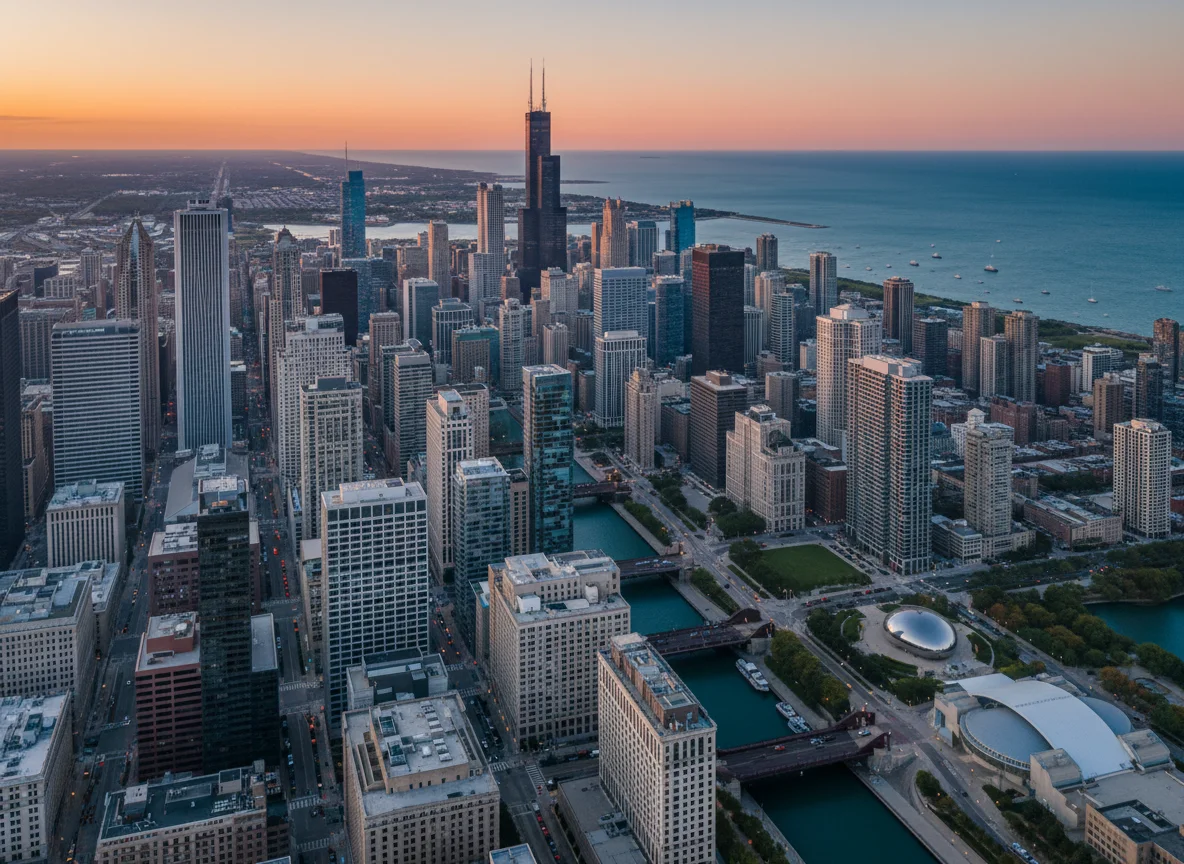
Chicago |
Week 13, 2027 4 – 8 April 2027 |
5 Days | Onsite | €12,000 | |

|
Cairo |
Week 15, 2027 12 – 16 April 2027 |
5 Days | Onsite | €4,100 | |

|
Prague |
Week 15, 2027 12 – 16 April 2027 |
5 Days | Onsite | €6,000 | |

|
Cape town |
Week 15, 2027 18 – 22 April 2027 |
5 Days | Onsite | €4,500 |
Frequently asked questions
Are training dates available?
Yes. Available dates and destinations are listed in the course dates section on this page.
How can I register?
Choose an available date on this page and complete the registration form, or send a programme enquiry.
Can I download the course brochure?
Yes. Use the brochure download link provided on this page.
This course by city
- Occupational Health, Safety and Security Training Courses in Abu Dhabi
- Occupational Health, Safety and Security Training Courses in Accra
- Occupational Health, Safety and Security Training Courses in Al Jubail
- Occupational Health, Safety and Security Training Courses in Amman
- Occupational Health, Safety and Security Training Courses in Amsterdam
- Occupational Health, Safety and Security Training Courses in Athens
- Occupational Health, Safety and Security Training Courses in Baku
- Occupational Health, Safety and Security Training Courses in Bali
- Occupational Health, Safety and Security Training Courses in Bangkok
- Occupational Health, Safety and Security Training Courses in Barcelona
- Occupational Health, Safety and Security Training Courses in Berlin
- Occupational Health, Safety and Security Training Courses in Cairo
- Occupational Health, Safety and Security Training Courses in Cape town
- Occupational Health, Safety and Security Training Courses in Casablanca
- Occupational Health, Safety and Security Training Courses in Chicago
- Occupational Health, Safety and Security Training Courses in Doha
- Occupational Health, Safety and Security Training Courses in Dubai
- Occupational Health, Safety and Security Training Courses in Frankfurt
- Occupational Health, Safety and Security Training Courses in Geneva
- Occupational Health, Safety and Security Training Courses in Istanbul
- Occupational Health, Safety and Security Training Courses in Jakarta
- Occupational Health, Safety and Security Training Courses in Johannesburg
- Occupational Health, Safety and Security Training Courses in Kuala Lumpur
- Occupational Health, Safety and Security Training Courses in Kuwait
- Occupational Health, Safety and Security Training Courses in Langkawi
- Occupational Health, Safety and Security Training Courses in Lisbon
- Occupational Health, Safety and Security Training Courses in London
- Occupational Health, Safety and Security Training Courses in Madrid
- Occupational Health, Safety and Security Training Courses in Manama
- Occupational Health, Safety and Security Training Courses in Marbella
- Occupational Health, Safety and Security Training Courses in Milan
- Occupational Health, Safety and Security Training Courses in Montreux
- Occupational Health, Safety and Security Training Courses in Munich
- Occupational Health, Safety and Security Training Courses in Muscat
- Occupational Health, Safety and Security Training Courses in Nairobi
- Occupational Health, Safety and Security Training Courses in New York
- Occupational Health, Safety and Security Training Courses in Nice
- Occupational Health, Safety and Security Training Courses in Paris
- Occupational Health, Safety and Security Training Courses in Phuket
- Occupational Health, Safety and Security Training Courses in Porto
- Occupational Health, Safety and Security Training Courses in Prague
- Occupational Health, Safety and Security Training Courses in Riyadh
- Occupational Health, Safety and Security Training Courses in Rome
- Occupational Health, Safety and Security Training Courses in San Diego
- Occupational Health, Safety and Security Training Courses in Seoul
- Occupational Health, Safety and Security Training Courses in Sharm El-Sheikh
- Occupational Health, Safety and Security Training Courses in Singapore
- Occupational Health, Safety and Security Training Courses in Tashkent
- Occupational Health, Safety and Security Training Courses in Tbilisi
- Occupational Health, Safety and Security Training Courses in Tokyo
- Occupational Health, Safety and Security Training Courses in Toronto
- Occupational Health, Safety and Security Training Courses in Trabzon
- Occupational Health, Safety and Security Training Courses in Vienna
- Occupational Health, Safety and Security Training Courses in Zanzibar
- Occupational Health, Safety and Security Training Courses in Zoom