Refinery Troubleshooting Engineering Course

At a glance
- Duration
- 1 Week
- Format
- Classroom
- Cities
- Milan, Bali, Marbella, Vienna, Frankfurt, Amman and more
- Next session
- 9 – 13 November 2026, Milan
- Average fee
- 7,500 €
Overview
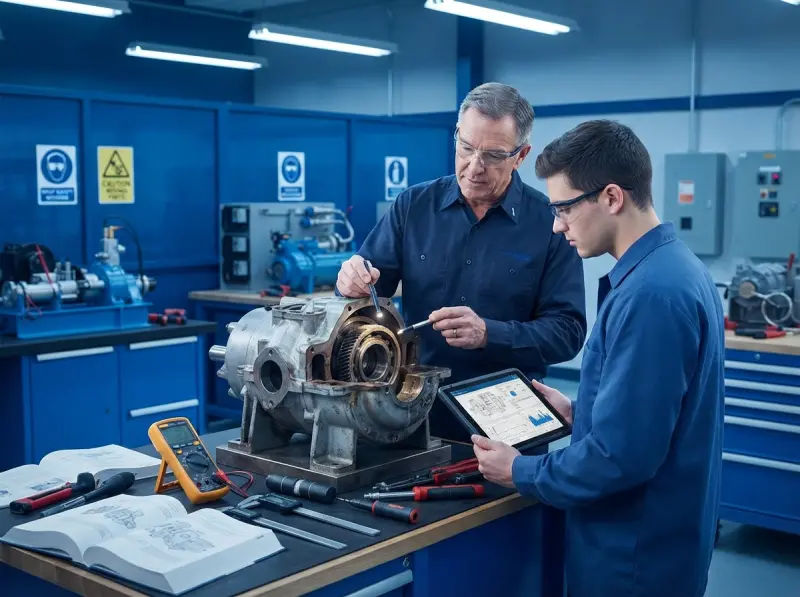
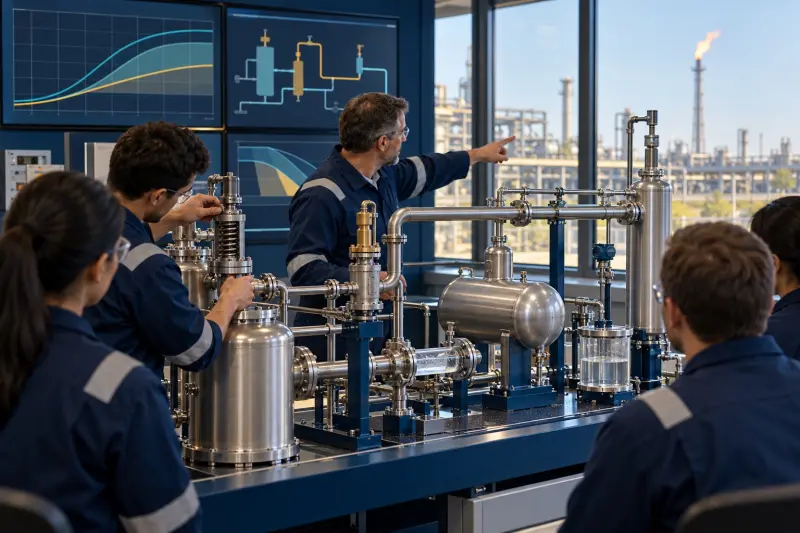
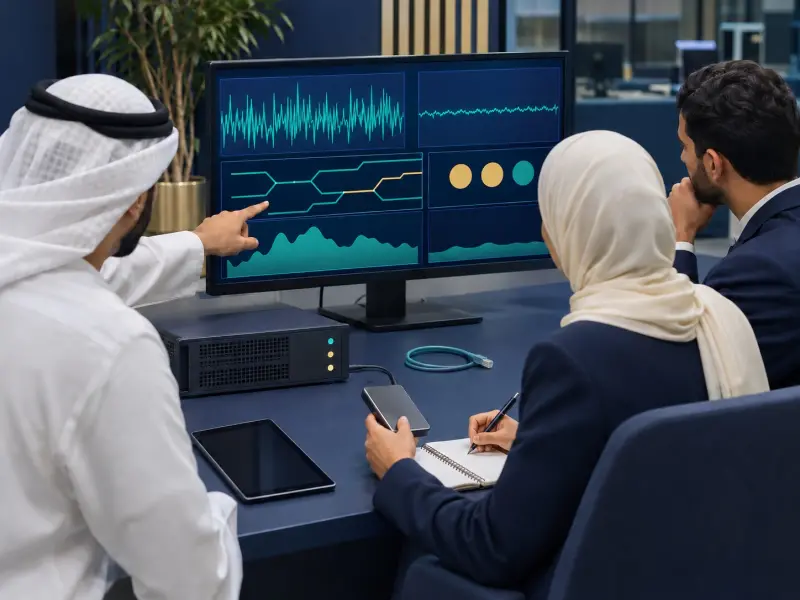
Advanced Refinery Troubleshooting Engineering Training Course is a one-week advanced course for refinery process, operations, technical-services, and reliability teams who leave with a Refinery Troubleshooting Engineering Casebook. Participants use plant-wide refinery troubleshooting, refinery upset investigation, process data validation, root cause analysis, and safe corrective action to resolve cross-unit problems. The course connects process, equipment, control, laboratory, utility, and safety evidence. Agile Leaders Training Center presents refinery troubleshooting engineering practice.
Who Should Attend
- Refinery process functions responsible for unit performance, balances, and operating constraints
- Operations functions responsible for abnormal-condition response and safe stabilization
- Technical-services functions responsible for cross-unit investigations and engineering recommendations
- Maintenance and reliability functions responsible for equipment-condition evidence and recurrence controls
- Control and instrumentation functions responsible for trends, alarms, loops, interlocks, and data quality
- Unit supervision functions responsible for escalation, change control, and corrective-action follow-through
The course assumes participants already interpret refinery process flows, operating data, control trends, laboratory results, and safe operating limits, and it leaves out introductory refining, AI model development, predictive-maintenance system design, and detailed equipment design.
Departments and Industries
The course supports departments and industries that diagnose interacting process, equipment, control, and utility problems in continuous operations.
- Petroleum refining and downstream processing
- Petrochemical and chemical manufacturing
- Gas processing and industrial energy facilities
- Operations, process engineering, and technical services
- Maintenance, reliability, inspection, and instrumentation
- Process safety, laboratory, utilities, and production planning
Learning Objectives
By the end of this course, participants will be able to:
- Apply a structured refinery troubleshooting workflow
- Analyze trends, balances, samples, alarms, and equipment evidence
- Diagnose cross-unit causes within safe operating limits
- Compare hypotheses through targeted checks and test runs
- Prioritize corrective actions, escalation, and change controls
- Build a verified engineering case and recurrence plan
Course Agenda
Day 1: Frame the Troubleshooting Case
- Refinery Symptom Definition and Boundary Sheet
- Safe Operating Envelope and Escalation Matrix
- Event Timeline and Shift Evidence Map
- Process Flow, Control, and Cross-Unit Interaction Diagram
- Troubleshooting Hypothesis and Evidence Register
Day 2: Validate Process Evidence
- DCS Trend Quality and Time-Alignment Checklist
- Mass and Energy Balance Closure Method
- Laboratory Sample and Analyzer Reconciliation Table
- Alarm, Interlock, and Control-Loop Behavior Review
- Data Confidence and Contradiction Ranking Matrix
Day 3: Diagnose Units and Equipment
- Distillation and Fractionation Deviation Decision Tree
- Fired-Heater and Heat-Exchange Constraint Analysis
- Conversion-Unit Severity, Yield, and Fouling Causal Map
- Treating, Hydrogen, and Sulfur-System Interaction Review
- Rotating-Equipment, Instrument, and Utility Failure Matrix
Day 4: Select and Control Solutions
- Root Cause Analysis and Barrier-Failure Map
- Corrective Option Safety and Feasibility Screen
- Temporary Change and Management-of-Change Decision Log
- API RP 754 Precursor and Recurrence Indicator Review
- Solution Verification and Learning Action Plan
Day 5: Practice Refinery Troubleshooting
- Suggested Exercise: Reconstruct a Cross-Unit Upset Timeline
- Suggested Exercise: Close a Balance and Challenge Instrument Data
- Suggested Exercise: Test Competing Equipment and Process Causes
- Suggested Exercise: Select, Control, and Verify a Corrective Action
- Capstone Exercise: Complete the Refinery Troubleshooting Engineering Casebook
Practical Exercises
The course uses suggested activities to turn refinery operating evidence into controlled diagnosis and documented engineering decisions.
- Suggested activity: define the symptom, boundaries, timeline, operating envelope, and escalation triggers for an abnormal condition.
- Suggested activity: reconcile trends, balances, samples, alarms, and equipment evidence before ranking causes.
- Suggested activity: test competing hypotheses, select a controlled action, and define verification evidence.
- Suggested activity: record causes, safeguards, actions, ownership, and recurrence indicators in a refinery case file.
FAQs
Who suits advanced refinery troubleshooting engineering training, and what does it assume?
Advanced refinery troubleshooting engineering training suits process, operations, technical-services, reliability, control, and unit-supervision functions. It assumes practical use of process flows, operating data, control trends, laboratory evidence, and safe operating limits.
How does refinery troubleshooting engineering differ from refinery operations fundamentals?
Refinery troubleshooting engineering tests competing causes across process, equipment, control, utilities, and connected units. Refinery operations fundamentals explain unit purposes, normal flows, routine controls, and standard operating practices.
How should a refinery upset investigation begin?
A refinery upset investigation should begin by defining the symptom, time window, affected boundary, safe operating envelope, sequence of changes, data quality, and immediate stabilization needs before assigning a cause.
How are refinery troubleshooting hypotheses verified?
Refinery troubleshooting hypotheses are verified by predicting observable evidence, checking independent data, closing balances, testing contradictions, conducting controlled checks, and confirming that the selected action removes the cause without creating another risk.
When does refinery troubleshooting require management of change?
Refinery troubleshooting requires management of change when a proposed temporary or permanent change affects process chemicals, technology, equipment, procedures, facilities, or other controlled conditions beyond an approved replacement in kind.
Conclusion
Participants take back a Refinery Troubleshooting Engineering Casebook linking symptoms, timelines, balances, trends, samples, hypotheses, causes, actions, and verification. It changes isolated observations and quick fixes into a traceable diagnostic path. The casebook supports safer decisions, stronger cross-discipline coordination, validated corrective action, recurrence monitoring, and operational learning.
credits: 5 credit per day
Course Mode: full-time
Provider: Agile Leaders Training Center
-
Events for this Course
-
Milan 9 – 13 November 2026
-
Bali 15 – 19 November 2026
-
Marbella 22 – 26 November 2026
-
Vienna 30 November – 4 December 2026
-
Frankfurt 30 November – 4 December 2026
-
Amman 20 – 24 December 2026
-
Montreux 21 – 25 December 2026
-
Tokyo 28 December 2026 – 1 January 2027
-
Athens 28 December 2026 – 1 January 2027
-
Istanbul 4 – 8 January 2027
-
Berlin 11 – 15 January 2027
-
Trabzon 17 – 21 January 2027
-
Cairo 25 – 29 January 2027
-
Singapore 25 – 29 January 2027
-
Doha 31 January – 4 February 2027
-
Accra 31 January – 4 February 2027
-
Bangkok 7 – 11 February 2027
-
Amsterdam 15 – 19 February 2027
-
Casablanca 22 – 26 February 2027
-
Cape town 28 February – 4 March 2027
-
Abu Dhabi 8 – 12 March 2027
-
Lagos 21 – 25 March 2027
-
Jakarta 29 March – 2 April 2027
-
New York 5 – 9 April 2027
-
Baku 12 – 16 April 2027
-
Seoul 19 – 23 April 2027
-
Dubai 3 – 7 May 2027
-
San Diego 3 – 7 May 2027
-
Tashkent 9 – 13 May 2027
-
Madrid 10 – 14 May 2027
-
Zoom 17 – 21 May 2027
-
Tbilisi 24 – 28 May 2027
-
Kuwait 13 – 17 June 2027
-
London 14 – 18 June 2027
-
Lisbon 21 – 25 June 2027
-
Dubai 28 June – 2 July 2027
-
Chicago 4 – 8 July 2027
-
Kuala Lumpur 5 – 9 July 2027
-
Prague 12 – 16 July 2027
-
Addis Ababa 12 – 16 July 2027
-
Nice 2 – 6 August 2027
-
Nairobi 8 – 12 August 2027
-
London 9 – 13 August 2027
-
Toronto 15 – 19 August 2027
-
Barcelona 16 – 20 August 2027
-
Muscat 29 August – 2 September 2027
-
Geneva 5 – 9 September 2027
-
Porto 6 – 10 September 2027
-
Johannesburg 12 – 16 September 2027
-
Phuket 19 – 23 September 2027
-
Zanzibar 26 – 30 September 2027
-
Paris 27 September – 1 October 2027
-
Sharm El-Sheikh 4 – 8 October 2027
-
Abu Dhabi 11 – 15 October 2027
-
Munich 18 – 22 October 2027
-
Rome 25 – 29 October 2027
-
Langkawi 31 October – 4 November 2027
-
Manama 7 – 11 November 2027
| Image | Location | Dates | Duration | Mode | Price | Actions |
|---|---|---|---|---|---|---|

|
Abu Dhabi |
Week 10, 2027 8 – 12 March 2027 |
1 Week | Onsite | €6,500 | |

|
Lagos |
Week 11, 2027 21 – 25 March 2027 |
1 Week | Onsite | €6,000 | |

|
Jakarta |
Week 13, 2027 29 March – 2 April 2027 |
1 Week | Onsite | €8,000 | |

|
New York |
Week 14, 2027 5 – 9 April 2027 |
1 Week | Onsite | €16,000 | |

|
Baku |
Week 15, 2027 12 – 16 April 2027 |
1 Week | Onsite | €8,000 | |

|
Seoul |
Week 16, 2027 19 – 23 April 2027 |
1 Week | Onsite | €12,000 | |

|
Dubai |
Week 18, 2027 3 – 7 May 2027 |
1 Week | Onsite | €6,500 | |

|
San Diego |
Week 18, 2027 3 – 7 May 2027 |
1 Week | Onsite | €16,000 | |

|
Tashkent |
Week 18, 2027 9 – 13 May 2027 |
1 Week | Onsite | €8,000 | |

|
Madrid |
Week 19, 2027 10 – 14 May 2027 |
1 Week | Onsite | €6,500 | |

|
Zoom |
Week 20, 2027 17 – 21 May 2027 |
1 Week | Online | €3,000 | |

|
Tbilisi |
Week 21, 2027 24 – 28 May 2027 |
1 Week | Onsite | €5,700 | |

|
Kuwait |
Week 23, 2027 13 – 17 June 2027 |
1 Week | Onsite | €7,000 | |

|
London |
Week 24, 2027 14 – 18 June 2027 |
1 Week | Onsite | €6,500 | |

|
Lisbon |
Week 25, 2027 21 – 25 June 2027 |
1 Week | Onsite | €6,500 | |
|
|
Dubai |
Week 26, 2027 28 June – 2 July 2027 |
1 Week | Onsite | €6,500 | |

|
Chicago |
Week 26, 2027 4 – 8 July 2027 |
1 Week | Onsite | €16,000 | |

|
Kuala Lumpur |
Week 27, 2027 5 – 9 July 2027 |
1 Week | Onsite | €6,500 | |

|
Prague |
Week 28, 2027 12 – 16 July 2027 |
1 Week | Onsite | €7,500 | |

|
Addis Ababa |
Week 28, 2027 12 – 16 July 2027 |
1 Week | Onsite | €6,000 |
Frequently asked questions
What does this course cover?
OverviewAdvanced Refinery Troubleshooting Engineering Training Course is a one-week advanced course for refinery process, operations, technical-services, and reliability teams who leave with a Refinery Troubleshooting Engineering Casebook. Participants use plant-wide refinery troubleshooting, refinery upset investigation, process data validation, root cau…
Are training dates available?
Yes. Available dates and destinations are listed in the course dates section on this page.
How can I register?
Choose an available date on this page and complete the registration form, or send a programme enquiry.
Can I download the course brochure?
Yes. Use the brochure download link provided on this page.
This course by city
- Oil & Gas Training and Other Technical Courses in Abu Dhabi
- Oil & Gas Training and Other Technical Courses in Accra
- Oil & Gas Training and Other Technical Courses in Addis Ababa
- Oil & Gas Training and Other Technical Courses in Amman
- Oil & Gas Training and Other Technical Courses in Amsterdam
- Oil & Gas Training and Other Technical Courses in Athens
- Oil & Gas Training and Other Technical Courses in Baku
- Oil & Gas Training and Other Technical Courses in Bali
- Oil & Gas Training and Other Technical Courses in Bangkok
- Oil & Gas Training and Other Technical Courses in Barcelona
- Oil & Gas Training and Other Technical Courses in Berlin
- Oil & Gas Training and Other Technical Courses in Cairo
- Oil & Gas Training and Other Technical Courses in Cape town
- Oil & Gas Training and Other Technical Courses in Casablanca
- Oil & Gas Training and Other Technical Courses in Chicago
- Oil & Gas Training and Other Technical Courses in Doha
- Oil & Gas Training and Other Technical Courses in Dubai
- Oil & Gas Training and Other Technical Courses in Frankfurt
- Oil & Gas Training and Other Technical Courses in Geneva
- Oil & Gas Training and Other Technical Courses in Istanbul
- Oil & Gas Training and Other Technical Courses in Jakarta
- Oil & Gas Training and Other Technical Courses in Johannesburg
- Oil & Gas Training and Other Technical Courses in Kuala Lumpur
- Oil & Gas Training and Other Technical Courses in Kuwait
- Oil & Gas Training and Other Technical Courses in Lagos
- Oil & Gas Training and Other Technical Courses in Langkawi
- Oil & Gas Training and Other Technical Courses in Lisbon
- Oil & Gas Training and Other Technical Courses in London
- Oil & Gas Training and Other Technical Courses in Madrid
- Oil & Gas Training and Other Technical Courses in Manama
- Oil & Gas Training and Other Technical Courses in Marbella
- Oil & Gas Training and Other Technical Courses in Milan
- Oil & Gas Training and Other Technical Courses in Montreux
- Oil & Gas Training and Other Technical Courses in Munich
- Oil & Gas Training and Other Technical Courses in Muscat
- Oil & Gas Training and Other Technical Courses in Nairobi
- Oil & Gas Training and Other Technical Courses in New York
- Oil & Gas Training and Other Technical Courses in Nice
- Oil & Gas Training and Other Technical Courses in Paris
- Oil & Gas Training and Other Technical Courses in Phuket
- Oil & Gas Training and Other Technical Courses in Porto
- Oil & Gas Training and Other Technical Courses in Prague
- Oil & Gas Training and Other Technical Courses in Rome
- Oil & Gas Training and Other Technical Courses in San Diego
- Oil & Gas Training and Other Technical Courses in Seoul
- Oil & Gas Training and Other Technical Courses in Sharm El-Sheikh
- Oil & Gas Training and Other Technical Courses in Singapore
- Oil & Gas Training and Other Technical Courses in Tashkent
- Oil & Gas Training and Other Technical Courses in Tbilisi
- Oil & Gas Training and Other Technical Courses in Tokyo
- Oil & Gas Training and Other Technical Courses in Toronto
- Oil & Gas Training and Other Technical Courses in Trabzon
- Oil & Gas Training and Other Technical Courses in Vienna
- Oil & Gas Training and Other Technical Courses in Zanzibar
- Oil & Gas Training and Other Technical Courses in Zoom