Sustainable Finance for Community Sectors Course

At a glance
- Duration
- 1 Week
- Format
- Classroom
- Cities
- Trabzon, Madrid, Athens, London, Singapore, Kuwait and more
- Next session
- 18 – 22 October 2026, Trabzon
- Average fee
- 5,800 €
Overview
Non-profit organizations, social enterprises, and municipal initiatives face tightening fiscal constraints, donor fatigue, and unpredictable grant cycles. This course provides practical methodologies for establishing sustainable finance and funding models for community sectors through blended capital structures, social impact bonds, and community investment funds. Participants evaluate revenue diversification strategies, revenue-generating enterprise models, and impact measurement frameworks to build long-term institutional resilience. Professionals leave with actionable financial models, grant assessment matrices, and blended finance term sheets. This course is delivered by Agile Leaders Training Center.
Who Should Attend
- Officers responsible for capital raising, donor relations, and philanthropic endowment management.
- Directors responsible for community development programmes, municipal partnerships, and social impact delivery.
- Managers responsible for financial sustainability, revenue diversification, and earned-income ventures in non-profit entities.
- Analysts responsible for evaluating blended finance mechanisms, green microfinance facilities, and impact investment returns.
- Coordinators responsible for social outcome measurement, grant compliance, and community fund governance.
Departments and Industries
This course serves financial and operational leaders across civil society, municipal administration, and impact-driven investment institutions.
- Community Development and Social Services Divisions in Municipal Government
- Finance and Resource Mobilization Teams in Non-Governmental Organizations
- Sustainability and Corporate Social Responsibility Units in Commercial Banking
- Impact Investing and Philanthropic Grantmaking Foundations
- Microfinance and Community Development Financial Institutions
Learning Objectives
By the end of this course, participants will be able to:
- Evaluate blended finance structures using risk-adjusted return and impact metrics.
- Build diversified funding models using earned-income and philanthropic capital streams.
- Analyse social impact bond mechanics using outcome-based payment contracts.
- Apply community endowment management principles using capital preservation guidelines.
- Prioritise social investment proposals using Social Return on Investment frameworks.
- Design impact measurement scorecards using IRIS+ and Green Bond Principles.
Course Agenda
Day 1: Foundations of Sustainable Community Finance
- Capital Structure Analysis using Blended Finance Stratification Models
- Philanthropic Capital Mapping using Grant Lifecycle Assessment Matrices
- Revenue Stream Diversification using Earned-Income Feasibility Frameworks
- Concessional Debt Structuring using Subordinated Loan Covenants
- Financial Resilience Stress-Testing using Cash Flow Sensitivity Simulations
Day 2: Outcome-Based Financing and Impact Bonds
- Social Impact Bond Structuring using Pay-for-Success Contract Templates
- Outcome Metric Selection using IRIS+ Impact Indicator Catalogs
- Intermediary Role Definition using Special Purpose Vehicle Governance Charters
- Risk Transfer Assessment using Outcome Payer Liability Models
- Performance Verification Protocols using Independent Evaluation Standards
Day 3: Community Enterprise and Debt Instruments
- Social Enterprise Business Modelling using the Mission-Market Matrix
- Community Green Bond Issuance using ICMA Green Bond Principles
- Revolving Loan Fund Administration using Credit Risk Underwriting Rubrics
- Community Share Offers using Co-operative Equity Allocation Frameworks
- Microfinance Programme Design using Grameen Methodology Lending Protocols
Day 4: Impact Valuation and Donor Alignment
- Social Value Accounting using Social Return on Investment Guidelines
- Impact Reporting Standardization using Global Reporting Initiative Standards
- Corporate Foundation Engagement using Shared Value Partnership Models
- Endowment Fund Governance using Uniform Prudent Management of Institutional Funds Protocols
- Crowdfunding Campaign Structuring using Civic Investment Platform Mechanisms
Day 5: Financial Strategy and Capstone Implementation
- Multi-Source Capital Stack Integration using Financial Modelling Spreadsheets
- Grant-to-Revenue Transition Planning using Organisational Life-Cycle Audits
- Fiduciary Risk Management using Community Investment Governance Checklists
- Long-Term Capital Campaign Design using Donor Pyramid Stewardship Roadmaps
- Capstone Sustainable Community Finance Model and Funding Pitch Simulation
Practical Exercises
Participants complete hands-on activities to resolve real-world financing challenges and structure viable community funding mechanisms.
- Suggested activity: Structure a blended finance term sheet balancing philanthropic grants, concessional debt, and equity.
- Suggested activity: Calculate the Social Return on Investment ratio for a municipal community health initiative.
- Suggested activity: Design a pay-for-success contract model defining target outcome milestones and pricing schedules.
- Suggested activity: Build a five-year revenue diversification matrix transitioning a non-profit from grant dependency.
FAQs
How do blended finance models benefit community sector organizations?
Blended finance combines concessional capital, philanthropic grants, and commercial investment to de-risk community initiatives. This structure enables non-profit entities and social enterprises to fund high-impact projects that traditional commercial lenders or single grantmakers cannot finance alone.
What impact measurement standards are utilized during the sessions?
Participants utilize globally recognized frameworks including IRIS+ core metrics, Social Return on Investment methodology, ICMA Green Bond Principles, and Global Reporting Initiative standards to quantify, verify, and report non-financial outcomes to prospective community investors.
Is this programme focused exclusively on non-profit organizations?
No, the syllabus addresses funding models for non-profit entities, social enterprises, municipal development initiatives, and community financial institutions, offering cross-sector tools for structuring diversified capital and revenue models.
Conclusion
Participants return to their organizations equipped with practical frameworks to design resilient capital stacks, launch outcome-based financing initiatives, and reduce dependency on volatile grants. By applying disciplined blended finance models and robust impact measurement tools, community leaders secure lasting investment, improve financial viability, and expand the delivery of vital social and environmental initiatives.
credits: 5 credit per day
Course Mode: full-time
Provider: Agile Leaders Training Center
-
Events for this Course
-
Trabzon 18 – 22 October 2026
-
Zoom 26 – 30 October 2026
-
Madrid 2 – 6 November 2026
-
Athens 9 – 13 November 2026
-
London 16 – 20 November 2026
-
Singapore 16 – 20 November 2026
-
Kuwait 22 – 26 November 2026
-
Geneva 29 November – 3 December 2026
-
Baku 7 – 11 December 2026
-
Bangkok 13 – 17 December 2026
-
Amsterdam 21 – 25 December 2026
-
Milan 4 – 8 January 2027
-
Manama 10 – 14 January 2027
-
Amman 17 – 21 January 2027
-
Dubai 18 – 22 January 2027
-
Barcelona 25 – 29 January 2027
-
Nice 25 – 29 January 2027
-
Abu Dhabi 1 – 5 February 2027
-
Zanzibar 7 – 11 February 2027
-
Istanbul 8 – 12 February 2027
-
London 15 – 19 February 2027
-
Munich 15 – 19 February 2027
-
San Diego 22 – 26 February 2027
-
Johannesburg 28 February – 4 March 2027
-
Kuala Lumpur 1 – 5 March 2027
-
Manama 7 – 11 March 2027
-
Rome 8 – 12 March 2027
-
Vienna 15 – 19 March 2027
-
Paris 22 – 26 March 2027
-
Jakarta 22 – 26 March 2027
-
Tashkent 28 March – 1 April 2027
-
Barcelona 29 March – 2 April 2027
-
Amsterdam 5 – 9 April 2027
-
Nairobi 11 – 15 April 2027
-
Dubai 12 – 16 April 2027
-
Sharm El-Sheikh 19 – 23 April 2027
-
New York 19 – 23 April 2027
-
London 26 – 30 April 2027
-
Prague 26 – 30 April 2027
-
Abu Dhabi 3 – 7 May 2027
-
Vienna 17 – 21 May 2027
-
Istanbul 24 – 28 May 2027
-
Tbilisi 24 – 28 May 2027
-
Madrid 31 May – 4 June 2027
-
Cairo 7 – 11 June 2027
-
Tokyo 7 – 11 June 2027
-
Bali 13 – 17 June 2027
-
Paris 14 – 18 June 2027
-
Doha 20 – 24 June 2027
-
Dubai 21 – 25 June 2027
-
Abu Dhabi 28 June – 2 July 2027
-
Langkawi 4 – 8 July 2027
-
Toronto 11 – 15 July 2027
-
Milan 12 – 16 July 2027
-
Kuala Lumpur 19 – 23 July 2027
-
Porto 19 – 23 July 2027
-
Montreux 26 – 30 July 2027
-
Cape town 1 – 5 August 2027
-
Rome 9 – 13 August 2027
-
Frankfurt 9 – 13 August 2027
-
Chicago 15 – 19 August 2027
-
Casablanca 16 – 20 August 2027
-
Seoul 23 – 27 August 2027
-
Phuket 29 August – 2 September 2027
-
London 6 – 10 September 2027
-
Lisbon 6 – 10 September 2027
-
Muscat 12 – 16 September 2027
-
Accra 19 – 23 September 2027
-
Amsterdam 27 September – 1 October 2027
-
Marbella 3 – 7 October 2027
-
Cairo 4 – 8 October 2027
-
Abu Dhabi 11 – 15 October 2027
-
Dubai 18 – 22 October 2027
-
Berlin 18 – 22 October 2027
| Image | Location | Dates | Duration | Mode | Price | Actions |
|---|---|---|---|---|---|---|
|
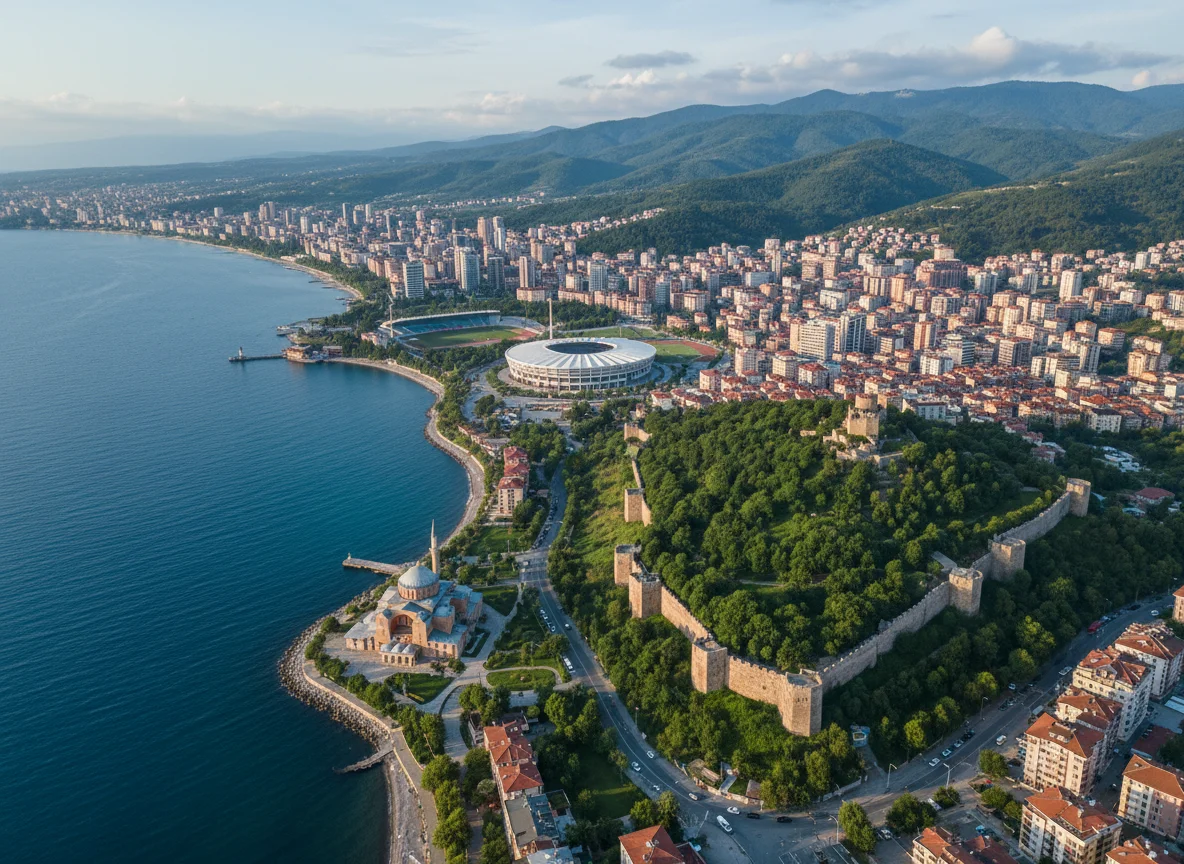
Trabzon |
Week 42, 2026 18 – 22 October 2026 |
1 Week | Onsite | €6,800 | |

|
Zoom |
Week 44, 2026 26 – 30 October 2026 |
1 Week | Online | €1,500 | |

|
Madrid |
Week 45, 2026 2 – 6 November 2026 |
1 Week | Onsite | €5,700 | |

|
Athens |
Week 46, 2026 9 – 13 November 2026 |
1 Week | Onsite | €6,700 | |

|
London |
Week 47, 2026 16 – 20 November 2026 |
1 Week | Onsite | €5,700 | |

|
Singapore |
Week 47, 2026 16 – 20 November 2026 |
1 Week | Onsite | €5,700 | |

|
Kuwait |
Week 47, 2026 22 – 26 November 2026 |
1 Week | Onsite | €5,500 | |

|
Geneva |
Week 48, 2026 29 November – 3 December 2026 |
1 Week | Onsite | €6,200 | |

|
Baku |
Week 50, 2026 7 – 11 December 2026 |
1 Week | Onsite | €5,000 | |

|
Bangkok |
Week 50, 2026 13 – 17 December 2026 |
1 Week | Onsite | €6,000 | |

|
Amsterdam |
Week 52, 2026 21 – 25 December 2026 |
1 Week | Onsite | €5,700 | |

|
Milan |
Week 01, 2027 4 – 8 January 2027 |
1 Week | Onsite | €5,700 | |
|
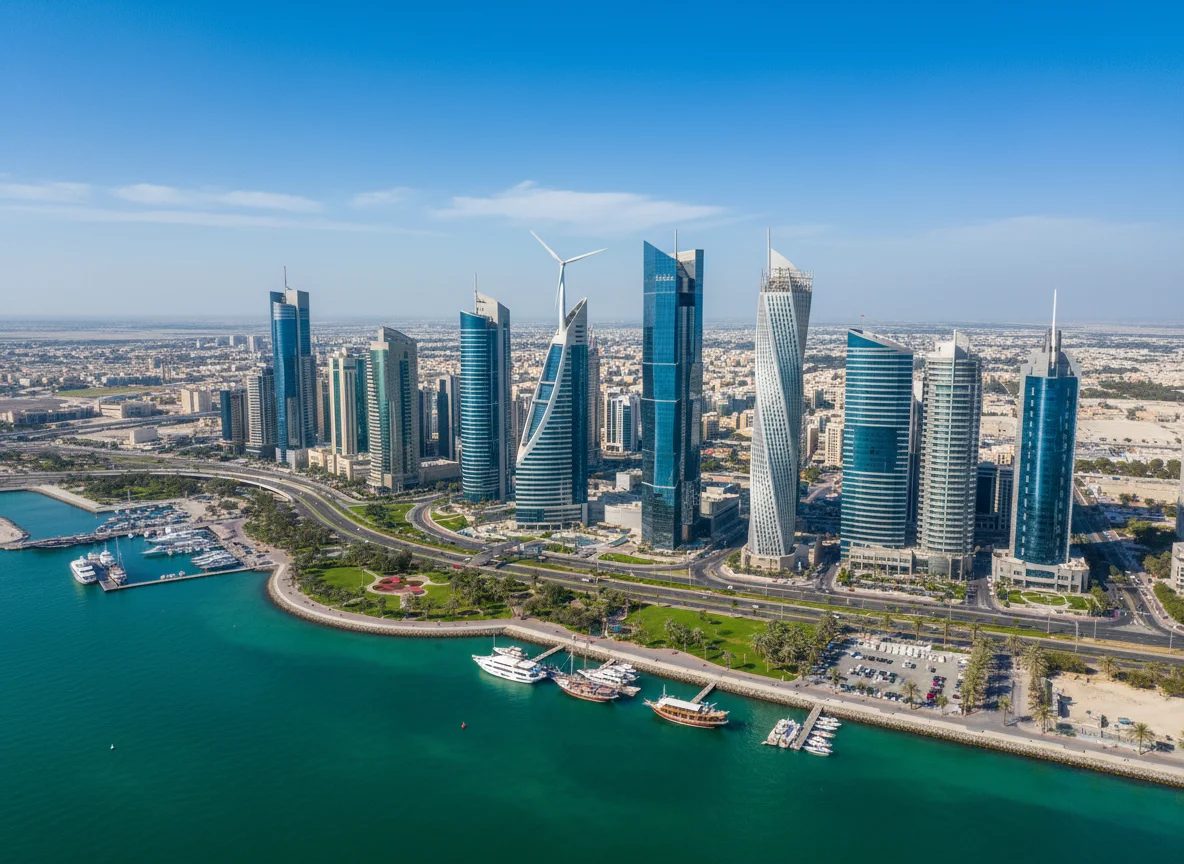
Manama |
Week 01, 2027 10 – 14 January 2027 |
1 Week | Onsite | €4,700 | |

|
Amman |
Week 02, 2027 17 – 21 January 2027 |
1 Week | Onsite | €4,100 | |

|
Dubai |
Week 03, 2027 18 – 22 January 2027 |
1 Week | Onsite | €4,500 | |

|
Barcelona |
Week 04, 2027 25 – 29 January 2027 |
1 Week | Onsite | €5,700 | |

|
Nice |
Week 04, 2027 25 – 29 January 2027 |
1 Week | Onsite | €5,700 | |

|
Abu Dhabi |
Week 05, 2027 1 – 5 February 2027 |
1 Week | Onsite | €4,700 | |

|
Zanzibar |
Week 05, 2027 7 – 11 February 2027 |
1 Week | Onsite | €5,500 | |

|
Istanbul |
Week 06, 2027 8 – 12 February 2027 |
1 Week | Onsite | €4,500 |
Frequently asked questions
What does this course cover?
OverviewNon-profit organizations, social enterprises, and municipal initiatives face tightening fiscal constraints, donor fatigue, and unpredictable grant cycles. This course provides practical methodologies for establishing sustainable finance and funding models for community sectors through blended capital structures, social impact bonds, and community…
Are training dates available?
Yes. Available dates and destinations are listed in the course dates section on this page.
How can I register?
Choose an available date on this page and complete the registration form, or send a programme enquiry.
Can I download the course brochure?
Yes. Use the brochure download link provided on this page.
This course by city
- Environment & Sustainability Training Courses in Abu Dhabi
- Environment & Sustainability Training Courses in Accra
- Environment & Sustainability Training Courses in Amman
- Environment & Sustainability Training Courses in Amsterdam
- Environment & Sustainability Training Courses in Athens
- Environment & Sustainability Training Courses in Baku
- Environment & Sustainability Training Courses in Bali
- Environment & Sustainability Training Courses in Bangkok
- Environment & Sustainability Training Courses in Barcelona
- Environment & Sustainability Training Courses in Berlin
- Environment & Sustainability Training Courses in Cairo
- Environment & Sustainability Training Courses in Cape town
- Environment & Sustainability Training Courses in Casablanca
- Environment & Sustainability Training Courses in Chicago
- Environment & Sustainability Training Courses in Doha
- Environment & Sustainability Training Courses in Dubai
- Environment & Sustainability Training Courses in Frankfurt
- Environment & Sustainability Training Courses in Geneva
- Environment & Sustainability Training Courses in Istanbul
- Environment & Sustainability Training Courses in Jakarta
- Environment & Sustainability Training Courses in Johannesburg
- Environment & Sustainability Training Courses in Kuala Lumpur
- Environment & Sustainability Training Courses in Kuwait
- Environment & Sustainability Training Courses in Langkawi
- Environment & Sustainability Training Courses in Lisbon
- Environment & Sustainability Training Courses in London
- Environment & Sustainability Training Courses in Madrid
- Environment & Sustainability Training Courses in Manama
- Environment & Sustainability Training Courses in Marbella
- Environment & Sustainability Training Courses in Milan
- Environment & Sustainability Training Courses in Montreux
- Environment & Sustainability Training Courses in Munich
- Environment & Sustainability Training Courses in Muscat
- Environment & Sustainability Training Courses in Nairobi
- Environment & Sustainability Training Courses in New York
- Environment & Sustainability Training Courses in Nice
- Environment & Sustainability Training Courses in Paris
- Environment & Sustainability Training Courses in Phuket
- Environment & Sustainability Training Courses in Porto
- Environment & Sustainability Training Courses in Prague
- Environment & Sustainability Training Courses in Rome
- Environment & Sustainability Training Courses in San Diego
- Environment & Sustainability Training Courses in Seoul
- Environment & Sustainability Training Courses in Sharm El-Sheikh
- Environment & Sustainability Training Courses in Singapore
- Environment & Sustainability Training Courses in Tashkent
- Environment & Sustainability Training Courses in Tbilisi
- Environment & Sustainability Training Courses in Tokyo
- Environment & Sustainability Training Courses in Toronto
- Environment & Sustainability Training Courses in Trabzon
- Environment & Sustainability Training Courses in Vienna
- Environment & Sustainability Training Courses in Zanzibar
- Environment & Sustainability Training Courses in Zoom