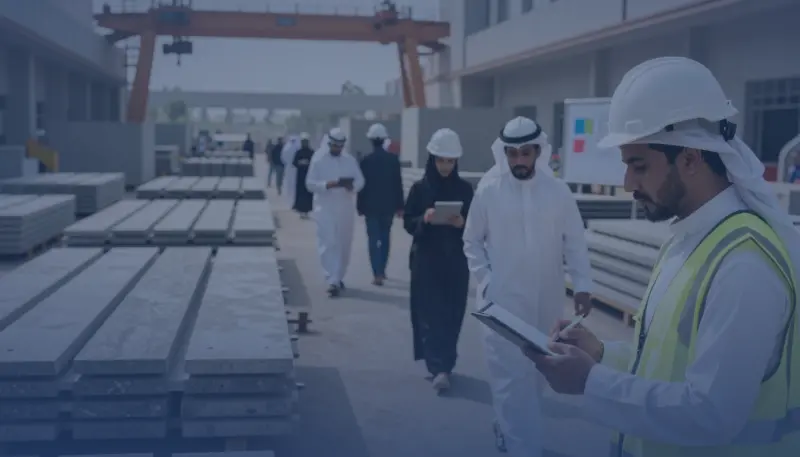
Advanced Blast-Resistant Building Design and Assurance Training Course

Course Details
-
# 1944_244231
-
8 – 12 November 2026 12.Nov.2026
-
Bali
-
6500 €
Overview
Advanced Blast-Resistant Building Design and Assurance Training Course is a one-week course for structural, civil, process safety, facility, project, EPC, and asset integrity functions who leave with a Blast-Resistant Building Design Basis and Assurance File. Participants integrate facility siting inputs, explosion scenarios, pressure-time histories, structural response limits, protective components, and independent design assurance for occupied process buildings. The course connects blast-resistant building design with constructability, inspection, maintenance, and management of change. Agile Leaders Training Center presents blast-resistant building design and assurance.
Who Should Attend
- Structural and civil engineering functions responsible for dynamic analysis, member design, detailing, and load paths
- Process safety and facility-siting functions responsible for hazard scenarios, occupancy evidence, and vulnerability inputs
- Facility design and EPC functions responsible for interdisciplinary interfaces, specifications, and constructability
- Project engineering functions responsible for design bases, reviews, decisions, and technical records
- Owner technical authority functions responsible for acceptance criteria, independent challenge, and approval
- Asset integrity functions responsible for inspection, maintenance, retrofit, and management of change
The course assumes participants can interpret structural calculations and process-hazard information at work, and it leaves out introductory structural mechanics, general fire protection, emergency response, demolition, and broad process safety.
Departments and Industries
The course supports departments and industries that specify, design, operate, or assure occupied buildings exposed to explosion hazards.
- Oil, gas, refining, petrochemical, and chemical processing facilities
- Mining, minerals, and metals processing operations
- Structural engineering, civil engineering, and architectural coordination
- Process safety, facility siting, and loss-prevention functions
- Capital projects, EPC delivery, and technical assurance
- Asset integrity, inspection, maintenance, and modification control
Learning Objectives
By the end of this course, participants will be able to:
- Build a traceable blast-resistant building design basis
- Analyze explosion scenarios and pressure-time load definitions
- Apply response criteria to concrete and steel systems
- Evaluate doors, windows, penetrations, utilities, and interfaces
- Compare modular-building and retrofit options
- Prioritize review, inspection, maintenance, and change controls
Course Agenda
Day 1: Establish Siting and Design Inputs
- Process Hazard and Occupancy Input Register
- API RP 752 Permanent-Building Siting Checklist
- API RP 753 Portable-Building Applicability Matrix
- Consequence-Based, Risk-Based, and Hybrid Siting Decision Record
- Blast-Resistant Building Design Basis
Day 2: Define Blast Actions and Criteria
- Explosion Scenario and Source Selection Sheet
- Overpressure-Impulse and Pressure-Time Load Map
- Reflected and Side-On Pressure Conversion Method
- Component Response Level and Acceptance Criteria Matrix
- ASCE 59-22 Design and Assessment Applicability Checklist
Day 3: Analyze Structural Response
- Single-Degree-of-Freedom Idealization and Response Calculation
- Dynamic and Strength Increase Factor Register
- Reinforced Concrete Wall, Roof, and Connection Design Sheet
- Structural Steel Frame, Cladding, and Connection Design Sheet
- Load-Path, Support-Reaction, and Progressive-Collapse Review
Day 4: Assure Components and Lifecycle Controls
- Blast-Resistant Door, Window, Frame, and Anchorage Specification
- Penetration, HVAC, Utility, and Interface Checklist
- Modular Building and Retrofit Option Matrix
- Independent Review, Calculation, and Documentation Register
- Inspection, Maintenance, and Management-of-Change Plan
Day 5: Practice Building Assurance
- Suggested Exercise: Audit Siting and Occupancy Evidence
- Suggested Exercise: Construct a Pressure-Time Load Definition
- Suggested Exercise: Evaluate Structural Response and Protective Components
- Suggested Exercise: Challenge Retrofit and Lifecycle Assurance Decisions
- Capstone Exercise: Complete the Blast-Resistant Building Design Basis and Assurance File
Practical Exercises
The course uses suggested activities to turn hazard and structural evidence into traceable building decisions.
- Suggested activity: screen an occupied process building using hazard, occupancy, siting, and vulnerability inputs.
- Suggested activity: define pressure-time loads and response criteria for concrete, steel, and protective components.
- Suggested activity: compare a modular replacement with structural and component retrofit options.
- Suggested activity: assemble review, inspection, maintenance, and management-of-change evidence for technical assurance.
FAQs
Who suits advanced blast-resistant building design and assurance, and what does it assume?
Advanced blast-resistant building design suits structural, civil, process safety, facility, EPC, project, technical authority, and asset integrity functions. It assumes working ability with structural calculations, design documentation, and process-hazard information.
How does blast-resistant building design differ from general structural design?
Blast-resistant building design addresses short-duration pressure-time loading, dynamic response, component response limits, protective openings, siting inputs, and assurance records. General structural design covers a wider range of conventional actions and service conditions.
How are blast loads defined for occupied process buildings?
Blast loads are defined from credible explosion scenarios, source locations, overpressure and impulse, pressure-time histories, reflected and side-on effects, geometry, orientation, shielding, and the building components being assessed.
What should a blast-resistant building design basis record?
A blast-resistant building design basis should record hazards, occupancy, siting method, load definitions, response criteria, structural systems, protective components, interfaces, assumptions, analyses, decisions, reviews, inspection requirements, and change controls.
How are existing buildings assessed for blast resistance?
Existing buildings are assessed through document review, field verification, hazard and occupancy updates, load definition, dynamic response checks, component and interface inspection, vulnerability evaluation, retrofit comparison, and recorded acceptance decisions.
Conclusion
Participants take back a Blast-Resistant Building Design Basis and Assurance File linking siting evidence, blast actions, response criteria, components, analyses, and lifecycle controls. It changes disconnected hazard studies and structural calculations into a traceable building decision. The file supports design review, retrofit prioritization, inspection planning, maintenance, and management of change.
Oil & Gas Training and Other Technical Courses
Blast-Resistant Building Design and Assurance Course (1944_244231)
Course Details
# 1944_244231
8 – 12 November 2026
Bali
Fees : 6500 €
Advanced Blast-Resistant Building Design and Assurance Training Course runs in Bali over 5 days, with 1 upcoming date in Bali. The course fee is 6,500 €.
All dates in Bali
| Dates | Price | Actions |
|---|---|---|
| 8 – 12 November 2026 | 6,500 € | Register |
Training in Bali
Sunset view over rice terraces in Bali with palm trees and mountains in the background, showcasing natural island beauty.
All courses in BaliThis course in other cities
- Abu Dhabi
- Accra
- Addis Ababa
- Amman
- Amsterdam
- Athens
- Baku
- Bangkok
- Barcelona
- Berlin
- Cairo
- Cape town
- Casablanca
- Chicago
- Doha
- Dubai
- Frankfurt
- Geneva
- Istanbul
- Jakarta
- Johannesburg
- Kuala Lumpur
- Kuwait
- Lagos
- Langkawi
- Lisbon
- London
- Madrid
- Manama
- Marbella
- Milan
- Montreux
- Munich
- Muscat
- Nairobi
- New York
- Nice
- Paris
- Phuket
- Porto
- Prague
- Rome
- San Diego
- Seoul
- Sharm El-Sheikh
- Singapore
- Tashkent
- Tbilisi
- Tokyo
- Toronto
- Trabzon
- Vienna
- Zanzibar
- Zoom