Oil and Gas Exploration and Production Fundamentals Training Course

Course Details
-
# 1986_246636
-
15 – 19 March 2027 19.Mar.2027
-
Dubai
-
6500 €
Overview
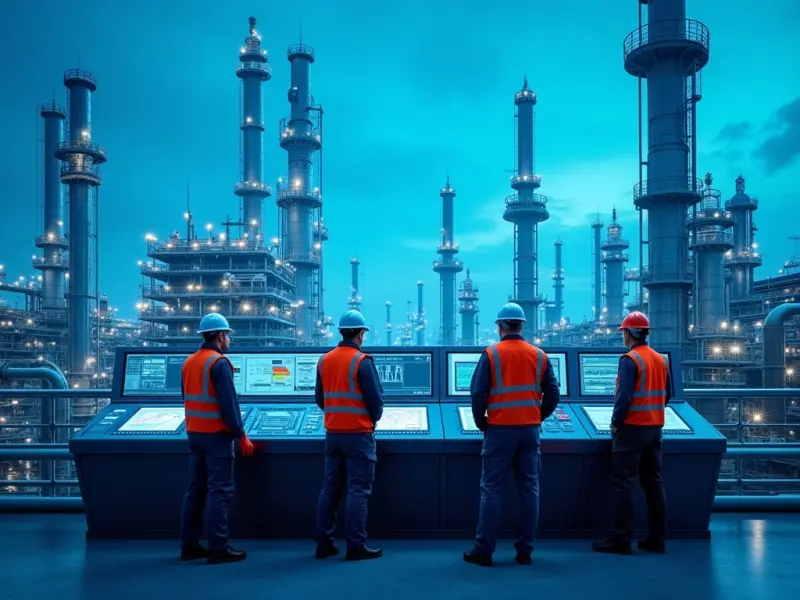
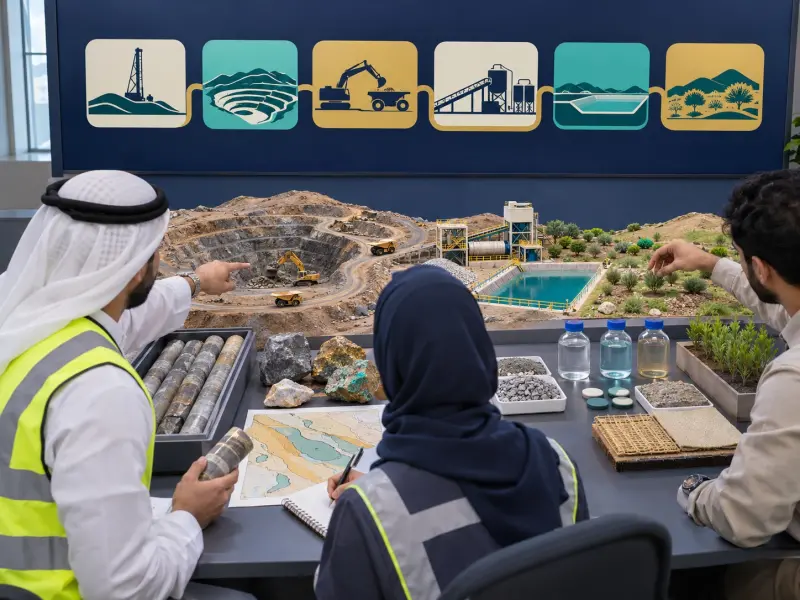
Oil and Gas Exploration and Production Fundamentals Training Course is a one-week foundation course for new professionals, nontechnical staff, support teams, contractors, and stakeholders who leave with an Upstream Exploration and Production Lifecycle Map and Decision File. Participants connect petroleum systems and exploration, appraisal and field development, drilling and well completion, reservoir and production operations, and surface processing and decommissioning to follow evidence, risks, economics, and decisions across an asset. Agile Leaders Training Center presents oil and gas exploration and production fundamentals.
Who Should Attend
- New upstream functions responsible for connecting their work with the wider asset lifecycle
- Commercial and finance functions responsible for interpreting technical stages, costs, risks, and decision gates
- Procurement and supply functions responsible for supporting wells, facilities, services, and field operations
- Human resources and administration functions responsible for workforce, contractor, and organizational support
- Public-sector and stakeholder functions responsible for reviewing upstream activities and lifecycle evidence
The course assumes participants can interpret basic business information, and it leaves out specialist drilling design, reservoir simulation, production optimization, detailed measurement engineering, trading, and financial modeling.
Departments and Industries
The course supports departments and industries that interact with upstream oil and gas assets.
- Exploration, subsurface, drilling, wells, and production organizations
- Energy commercial, finance, procurement, and project support functions
- Engineering services, equipment supply, and field contracting
- Government, investment, insurance, and professional advisory services
- Education, workforce development, and technical administration
Learning Objectives
By the end of this course, participants will be able to:
- Use an upstream lifecycle map to locate functions and decisions
- Analyze petroleum-system and exploration evidence at foundation level
- Compare appraisal, development, drilling, and completion stages
- Evaluate reservoir, production, processing, and measurement interfaces
- Apply safety, economic, and decommissioning considerations to decisions
- Build a cross-functional asset decision file
Course Agenda
Day 1: Map Petroleum Systems and Exploration
- Upstream Asset Lifecycle Stage Map
- Petroleum System Elements and Process Diagram
- Geological Basin and Play Concept Sheet
- Seismic Survey and Exploration Evidence Map
- Prospect Risk and Discovery Decision Matrix
Day 2: Move from Appraisal to Development
- Discovery Appraisal Data-Readiness Checklist
- Resource and Reserve Classification Concept Map
- Field Development Option Screening Matrix
- Development Concept and Facility Interface Diagram
- Economic Assumption and Decision-Gate Register
Day 3: Follow Drilling and Well Delivery
- Well Planning and Design Input Map
- Drilling Rig Systems and Activity Sequence
- Well Control Barrier Concept Diagram
- Casing, Cementing, and Completion Interface Chart
- Well Delivery Risk and Handover Checklist
Day 4: Connect Reservoirs to Production
- Reservoir Behavior and Depletion Concept Model
- Production Well and Artificial-Lift Interface Map
- Surface Separation and Treatment Flow Diagram
- Production Measurement and Allocation Record
- Integrity, Safety, Environment, and Decommissioning Register
Day 5: Practice Upstream Lifecycle Decisions
- Suggested Exercise: Trace Exploration Evidence to Discovery
- Suggested Exercise: Compare Appraisal and Development Options
- Suggested Exercise: Sequence Drilling, Completion, and Handover
- Suggested Exercise: Connect Reservoir, Production, and Surface Systems
- Capstone Exercise: Complete the Upstream Exploration and Production Lifecycle Map and Decision File
Practical Exercises
The course uses suggested activities to connect technical stages, operating interfaces, risks, and business decisions.
- Suggested activity: place geology, seismic, drilling, appraisal, development, production, and closure evidence on a lifecycle map.
- Suggested activity: compare field-development choices using technical, economic, safety, and interface criteria.
- Suggested activity: trace a well from planning through drilling, completion, production handover, and integrity records.
- Suggested activity: assemble decision gates, responsibilities, uncertainties, and required evidence in one asset file.
FAQs
Who suits oil and gas exploration and production fundamentals training, and what does it assume?
Oil and gas exploration and production fundamentals training suits new professionals, nontechnical teams, commercial and finance staff, support functions, contractors, and stakeholders. It assumes participants can interpret basic business information.
How does oil and gas exploration and production fundamentals training differ from advanced production operations training?
Foundation training explains the full lifecycle, roles, interfaces, evidence, risks, and decision gates. Advanced production operations training concentrates on operating methods, optimization, troubleshooting, and technical performance after wells and facilities enter service.
What are the main stages of the upstream oil and gas lifecycle?
The upstream lifecycle moves through access and exploration, discovery appraisal, field development, drilling and well completion, reservoir and production operations, and eventual decommissioning, with decision gates and assurance evidence between stages.
How do exploration and appraisal decisions affect field development?
Exploration and appraisal decisions shape the evidence available on geology, fluids, reservoir extent, uncertainty, deliverability, wells, facilities, costs, and risks used to compare development concepts.
How do reservoir, well, and surface systems connect in oil and gas production?
Reservoir behavior drives fluid movement into wells; completions and lift systems support flow; surface facilities separate, treat, measure, and transfer production; integrity and operating controls link the interfaces.
Conclusion
Participants take back an Upstream Exploration and Production Lifecycle Map and Decision File linking petroleum systems, exploration, appraisal, development, wells, reservoirs, production, processing, measurement, safety, economics, and decommissioning. The file changes isolated terminology into one traceable asset view. It supports cross-functional briefings, project reviews, procurement, workforce planning, and stakeholder discussions.
Oil & Gas Training and Other Technical Courses
Oil and Gas Exploration and Production Course (1986_246636)
Course Details
# 1986_246636
15 – 19 March 2027
Dubai
Fees : 6500 €