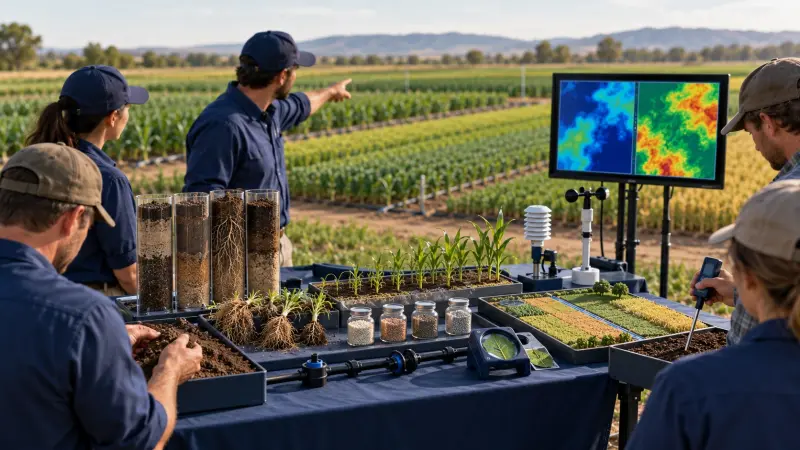
Agricultural Extension Service Management Training Course

Course Details
-
# 2115_254875
-
25 – 29 October 2027 29.Oct.2027
-
Dubai
-
4500 €
Overview
Agricultural Extension Service Management Training Course is a one-week advanced course for extension managers, field supervisors, advisory-service coordinators, and rural development professionals who leave with an Agricultural Extension Service Delivery and Performance Portfolio. Participants connect farmer needs, programme design, pluralistic delivery, field-team supervision, digital channels, inclusion, monitoring, and feedback. The course turns fragmented outreach activities into coordinated and measurable advisory services. Agile Leaders Training Center develops agricultural extension service management capability.
Who Should Attend
- Extension leadership teams responsible for service priorities, coverage, and resource allocation
- Field supervision teams responsible for agent deployment, coaching, and delivery quality
- Advisory-service teams responsible for farmer needs, technical messages, and referral pathways
- Rural development teams responsible for participation, inclusion, and producer-organization interfaces
- Monitoring teams responsible for service evidence, feedback, learning, and performance reporting
The course assumes participants manage agricultural advisory activities or field teams and leaves crop-specific diagnosis, laboratory testing, and country-specific regulation outside its scope.
Departments and Industries
The course supports departments and industries that plan, deliver, coordinate, or evaluate agricultural advisory services.
- Agricultural extension and rural development agencies
- Producer organizations, cooperatives, and commodity associations
- Agribusiness input, processing, and market-access services
- Research, education, and applied innovation organizations
- Development programmes and agricultural consulting services
Learning Objectives
By the end of this course, participants will be able to:
- Analyze farmer needs, service gaps, and coverage priorities.
- Build an extension programme logic and delivery plan.
- Compare public, private, cooperative, and digital delivery channels.
- Apply field-agent supervision and service-quality controls.
- Evaluate inclusion, participation, feedback, and referral evidence.
- Develop performance measures and improvement decisions.
Course Agenda
Day 1: Diagnose Extension Service Needs
- Farmer Segment and Livelihood Context Map
- Participatory Needs Assessment Interview Guide
- Extension Service Gap and Coverage Matrix
- Priority Problem and Advisory Demand Register
- Research-to-Farmer Knowledge Flow Map
Day 2: Design the Extension Programme
- Agricultural Extension Programme Logic Model
- Advisory Objective and Behavior-Change Statement
- Seasonal Extension Activity Planning Calendar
- Technical Message Validation and Adaptation Checklist
- Farmer Learning and Demonstration Session Plan
Day 3: Configure Delivery Channels
- Pluralistic Extension Provider Role Matrix
- Field Visit and Group Advisory Delivery Model
- Digital Advisory Channel Selection Canvas
- Producer Organization and Referral Partnership Map
- Inclusive Access and Geographic Coverage Test
Day 4: Supervise and Measure Delivery
- Extension Agent Workload and Route Plan
- Field Coaching and Observation Checklist
- Advisory Service Quality Assurance Scorecard
- Farmer Feedback and Complaint Response Loop
- Extension Output and Outcome Indicator Dashboard
Day 5: Practice Service Improvement
- Suggested Exercise: Diagnose Uneven Farmer Coverage
- Suggested Exercise: Configure a Mixed Delivery Model
- Suggested Exercise: Coach an Extension Field Team
- Suggested Exercise: Interpret Feedback and Performance Evidence
- Capstone Exercise: Complete an Agricultural Extension Service Delivery and Performance Portfolio
Practical Exercises
The course uses suggested activities based on crop, livestock, cooperative, and agribusiness advisory settings.
- Suggested activity: convert farmer interviews and service records into a needs, segmentation, and coverage map.
- Suggested activity: design a seasonal programme with objectives, messages, learning methods, channels, and referral partners.
- Suggested activity: review field-agent plans and observation evidence to identify coaching and quality-control actions.
- Suggested activity: present a service-improvement portfolio using feedback, inclusion, output, and outcome evidence.
FAQs
Who suits agricultural extension service management training, and what does it assume?
Agricultural extension service management training suits professionals who coordinate advisory programmes, field teams, farmer services, or rural-development delivery. It assumes experience with agricultural services or producer engagement.
How does agricultural extension service management differ from farm management training?
Agricultural extension service management focuses on organizing advisory services, field agents, delivery channels, feedback, and performance. Farm management training focuses on production, resources, costs, and decisions within an individual farm enterprise.
What is a pluralistic agricultural extension system?
A pluralistic agricultural extension system coordinates services from public agencies, private providers, cooperatives, producer organizations, research bodies, and other partners so that different farmer needs receive appropriate support.
How can digital channels support agricultural extension services?
Digital channels support agricultural extension services through remote consultations, alerts, knowledge libraries, multimedia messages, referrals, and service records. Channel choice should reflect farmer access, language, urgency, complexity, and the need for field verification.
How is agricultural extension service performance measured?
Agricultural extension service performance is measured through evidence on reach, coverage, timeliness, participation, service quality, referrals, farmer feedback, practice uptake, and the outcomes connected to advisory objectives.
Conclusion
Participants take back an Agricultural Extension Service Delivery and Performance Portfolio. It combines the needs map, programme logic, seasonal plan, provider matrix, channel model, supervision controls, feedback loop, and indicator dashboard. The portfolio helps teams coordinate providers, improve field delivery, expand equitable access, and turn service evidence into accountable improvement decisions.
Agribusiness & Food Security Training Courses
Agricultural Extension Service Management Course (2115_254875)
Course Details
# 2115_254875
25 – 29 October 2027
Dubai
Fees : 4500 €