Green Polyolefins and Sustainable Polymers Training Course

Course Details
-
# 2202_261149
-
22 – 26 August 2027 26.Aug.2027
-
Kuwait
-
7000 €
Overview
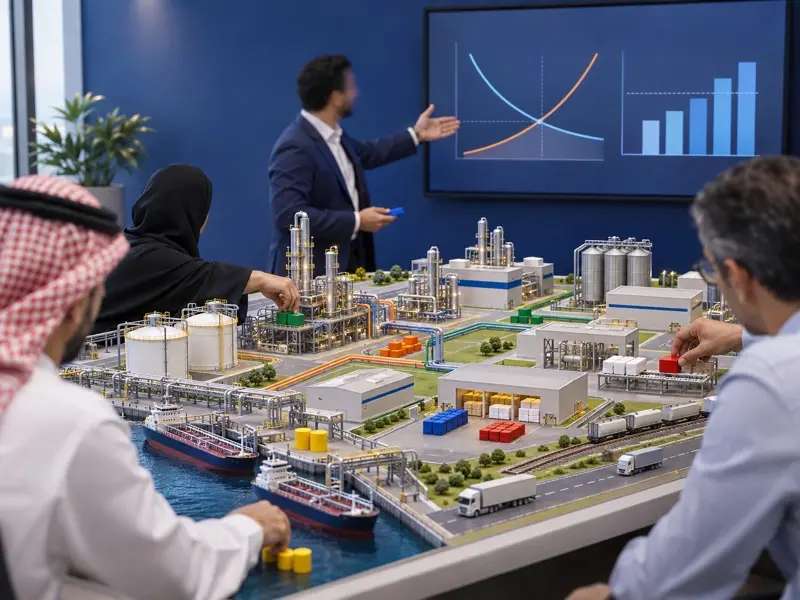
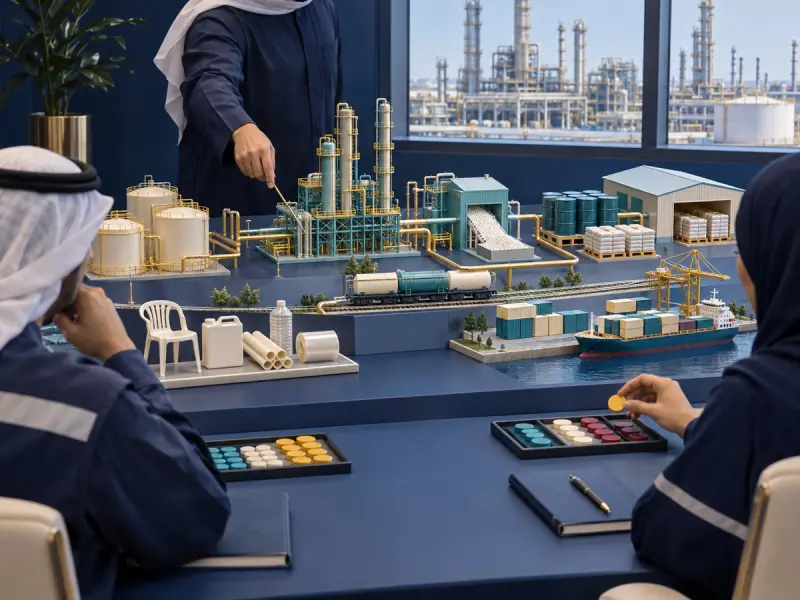
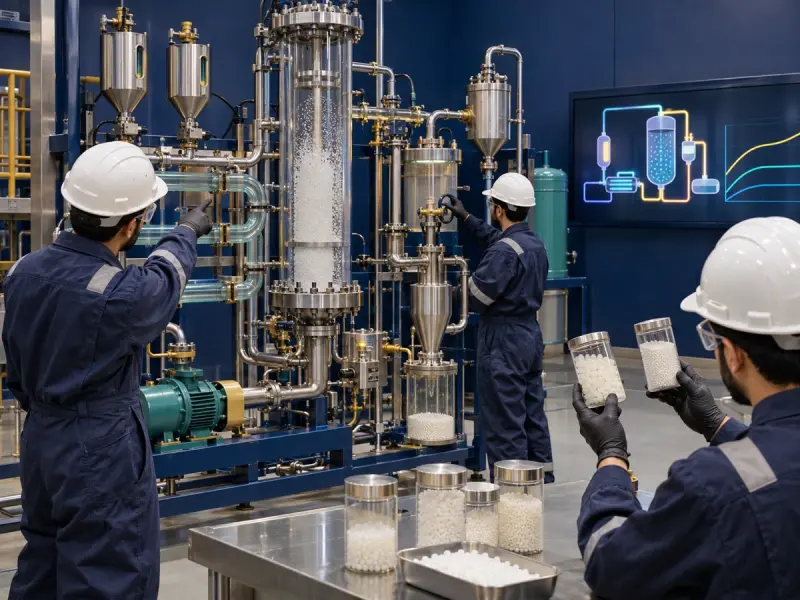
Green Polyolefins and Sustainable Polymers Training Course is a one-week professional course for polymer, petrochemical, materials, manufacturing, sustainability, quality, and supply-chain professionals, who leave with a Sustainable Polymer Transition Roadmap. The course connects circular polymer feedstocks, design for recycling, mechanical and chemical recycling, mass balance chain of custody, lifecycle evidence, and recycled content claims with material and scale-up decisions. Agile Leaders Training Center develops green polyolefins and sustainable polymers practice.
Who Should Attend
- Teams responsible for polymer and petrochemical product portfolios
- Functions responsible for materials selection and product development
- People responsible for recycling, circularity, and lifecycle evidence
- Teams responsible for quality, procurement, and supplier assurance
- Functions responsible for manufacturing scale-up and sustainability claims
The course assumes participants can work with polymer, production, quality, supplier, or environmental evidence; it leaves out general polymer chemistry, composite-material engineering, generic circular-economy introductions, and olefins commercial analysis.
Departments and Industries
The course supports polymer transition decisions across petrochemicals, packaging, consumer goods, automotive, manufacturing, recycling, and materials supply.
- Polymer production and petrochemical functions
- Materials, product development, and packaging teams
- Quality, procurement, and supply-chain functions
- Sustainability, lifecycle, and environmental teams
- Recycling, manufacturing, and conversion organizations
Learning Objectives
By the end of this course, participants will be able to:
- Analyze polyolefin value chains and lifecycle hotspots.
- Compare recycled, renewable, and mass-balance feedstocks.
- Apply design-for-recycling and performance criteria.
- Evaluate mechanical and chemical recycling interfaces.
- Build traceability, claims, and quality controls.
- Prioritize a sustainable polymer transition roadmap.
Course Agenda
Day 1: Map Polymer Lifecycle Decisions
- Polyolefin Value-Chain Boundary Map
- Polymer Lifecycle Hotspot Assessment
- Material Flow and Loss Diagram
- Stakeholder and Decision-Owner Matrix
- Transition Objective and Evidence Charter
Day 2: Compare Circular Feedstocks
- Recycled Feedstock Quality Profile
- Bio-Based and Renewable Feedstock Screen
- Circular Feedstock Pathway Comparison
- ISO 22095-2 Mass Balance Boundary Model
- Feedstock Carbon and Lifecycle Evidence Register
Day 3: Design for Recycling
- Polymer and Blend Recyclability Matrix
- Additive, Color, and Contamination Trade-Off Tool
- Material Performance Requirement Sheet
- Design-for-Recycling Compatibility Checklist
- Product and Packaging Redesign Decision Canvas
Day 4: Control Recycling and Claims
- Mechanical Recycling Interface Map
- Chemical Recycling Pathway Screen
- Chain-of-Custody and Conversion-Factor Log
- Recycled Content Claim Control Matrix
- Quality, Procurement, and Scale-Up Gate
Day 5: Practice Polymer Transition Decisions
- Exercise: Diagnose a Polymer Lifecycle Baseline
- Exercise: Compare Circular Feedstock Pathways
- Exercise: Test Recyclability and Performance Trade-Offs
- Exercise: Verify Traceability and Claims Evidence
- Capstone Exercise: Complete the Sustainable Polymer Transition Roadmap
Practical Exercises
The course uses suggested activities based on petrochemicals, packaging, consumer goods, automotive components, and recycling operations.
- Suggested activity: map a polyolefin lifecycle and identify material, carbon, and recovery hotspots.
- Suggested activity: compare recycled, renewable, and mass-balance feedstock evidence.
- Suggested activity: test design, additives, performance, and recycling compatibility.
- Suggested activity: combine traceability, claims, quality, procurement, and scale-up decisions in a roadmap.
FAQs
Who suits green polyolefins and sustainable polymers training?
Green polyolefins training suits professionals who evaluate polymer materials, feedstocks, products, recycling, quality, suppliers, lifecycle evidence, or sustainability claims and who can work with technical or operational records.
How does sustainable polymers training differ from general polymer chemistry training?
Sustainable polymers training focuses on lifecycle hotspots, circular feedstocks, recyclability, traceability, claims, quality, and transition decisions, while general polymer chemistry training focuses on molecular structure, synthesis, and properties.
How does mass balance support sustainable polymer claims?
Mass balance supports claims by defining system boundaries, material inputs, conversion factors, allocation methods, records, controls, and transparent communication for attributed characteristics.
How should mechanical and chemical recycling pathways be compared?
Recycling pathways should be compared using feedstock suitability, contamination tolerance, output quality, material performance, infrastructure, energy and carbon evidence, traceability, cost, and intended application.
What evidence supports a sustainable polymer transition?
A sustainable polymer transition uses material-flow data, lifecycle and carbon evidence, recyclability tests, feedstock records, chain-of-custody controls, quality results, supplier evidence, claims review, and scale-up gates.
Conclusion
Participants take back a Sustainable Polymer Transition Roadmap connecting lifecycle hotspots, feedstocks, design choices, recycling pathways, traceability, claims, quality, procurement, and scale-up. It makes material assumptions, evidence gaps, trade-offs, and ownership traceable. The roadmap supports coordinated decisions across polymer production, product development, manufacturing, sustainability, quality, and supply chains.
Oil & Gas Training and Other Technical Courses
Green Polyolefins and Sustainable Polymers Course (2202_261149)
Course Details
# 2202_261149
22 – 26 August 2027
Kuwait
Fees : 7000 €
Green Polyolefins and Sustainable Polymers Training Course runs in Kuwait over 5 days, with 1 upcoming date in Kuwait. The course fee is 7,000 €.
All dates in Kuwait
| Dates | Price | Actions |
|---|---|---|
| 22 – 26 August 2027 | 7,000 € | Register |
Training in Kuwait
Experience our top-notch training courses in Kuwait, Join one of our training courses in Kuwait Today!
All courses in KuwaitThis course in other cities
- Abu Dhabi
- Accra
- Addis Ababa
- Amman
- Amsterdam
- Athens
- Baku
- Bali
- Bangkok
- Barcelona
- Berlin
- Cairo
- Cape town
- Casablanca
- Chicago
- Doha
- Dubai
- Frankfurt
- Geneva
- Istanbul
- Jakarta
- Johannesburg
- Kuala Lumpur
- Lagos
- Langkawi
- Lisbon
- London
- Madrid
- Manama
- Marbella
- Milan
- Montreux
- Munich
- Muscat
- Nairobi
- New York
- Nice
- Paris
- Phuket
- Porto
- Prague
- Rome
- San Diego
- Seoul
- Sharm El-Sheikh
- Singapore
- Tashkent
- Tbilisi
- Tokyo
- Toronto
- Trabzon
- Vienna
- Zanzibar
- Zoom