Biomass and Biofuels Conversion Training Course

At a glance
- Duration
- 1 Week
- Format
- Classroom
- Cities
- Rome, Nairobi, Sharm El-Sheikh, Jakarta, Dubai, Singapore and more
- Next session
- 9 – 13 November 2026, Rome
- Average fee
- 5,750 €
Overview
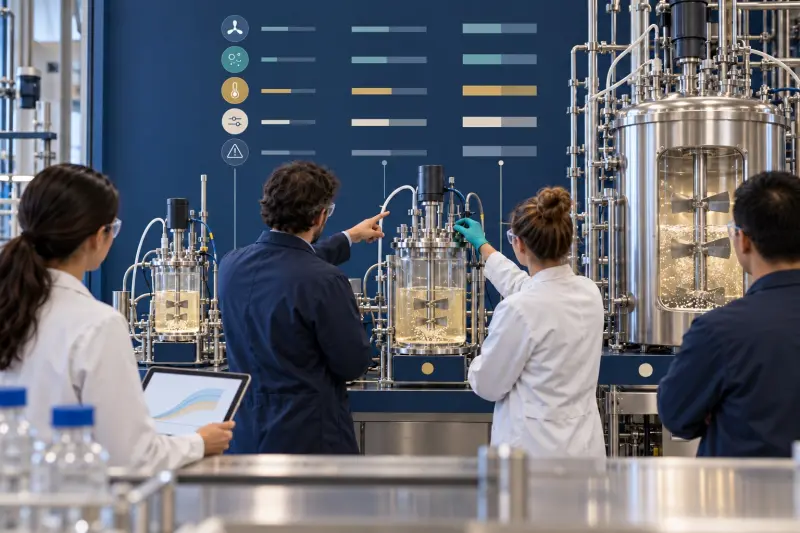
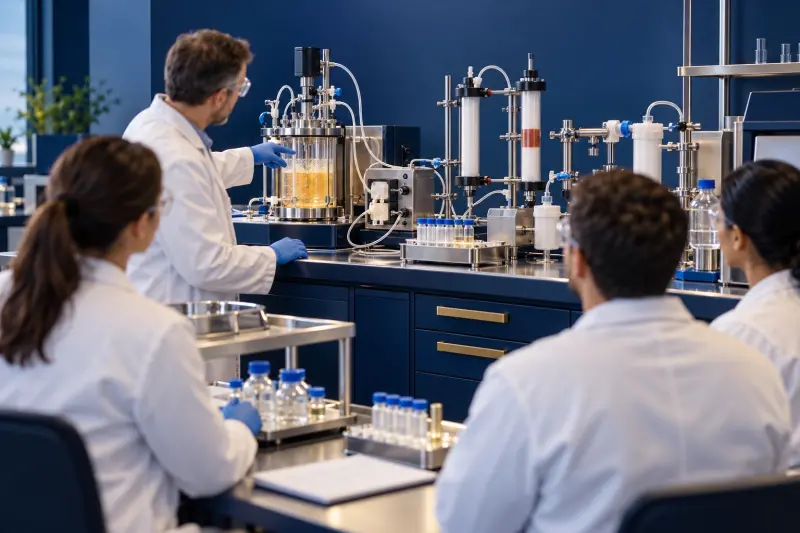
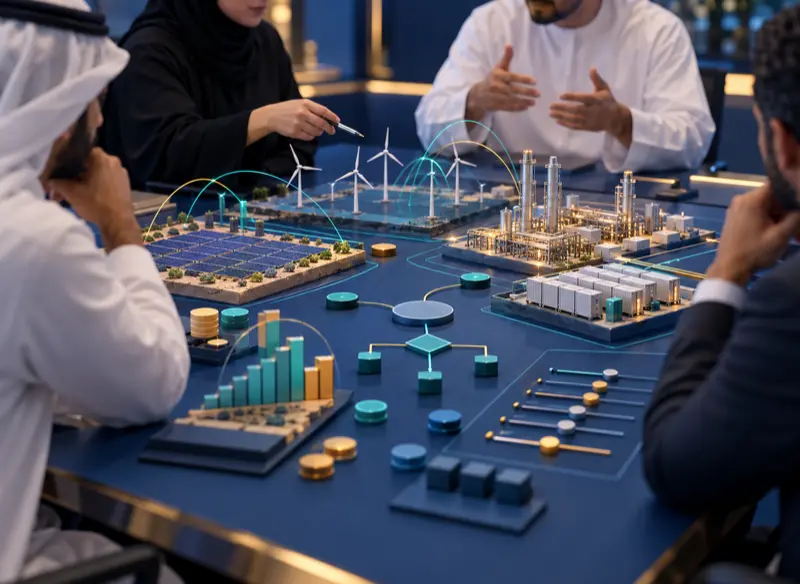
Biomass and Biofuels Conversion and Project Training Course is a one-week foundation course for energy, sustainability, engineering, resource, development, and investment functions who leave with a Biomass and Biofuels Project Concept. Participants connect biomass resource types and feedstock characterization with supply chains, pretreatment, conversion pathways, product quality, lifecycle emissions, safety, economics, and project screening. The course turns site and feedstock evidence into a structured technology choice. Agile Leaders Training Center develops biomass and biofuels project capability.
Who Should Attend
- Energy functions responsible for evaluating heat, power, gas, and liquid-fuel pathways
- Sustainability functions responsible for lifecycle emissions, land use, and resource safeguards
- Engineering and operations functions responsible for process selection, balances, safety, and operability
- Project development functions responsible for site screening, infrastructure, economics, and risk
- Agricultural and waste-resource functions responsible for feedstock supply, storage, and handling
- Investment functions responsible for comparing project assumptions and decision evidence
The course assumes participants contribute to energy, resource, process, sustainability, or investment decisions and leaves out detailed plant design, laboratory certification, fuel trading, and renewable-energy portfolio finance.
Departments and Industries
The course supports departments and industries that evaluate biological resources and conversion projects.
- Energy, sustainability, engineering, operations, and project development departments
- Agriculture, forestry, food processing, and municipal resource management
- Utilities, power generation, district energy, and renewable fuels
- Manufacturing, pulp and paper, chemicals, and process industries
- Transport fuels, infrastructure, investment, and advisory services
Learning Objectives
By the end of this course, participants will be able to:
- Analyze biomass resources, properties, availability, and supply constraints
- Build feedstock storage, handling, and pretreatment flows
- Compare thermal, biological, and liquid biofuel conversion pathways
- Apply mass and energy balances to preliminary process screening
- Evaluate sustainability, emissions, safety, quality, and economic evidence
- Prioritize technology and project options using a structured selection matrix
Course Agenda
Day 1: Biomass Resources and Feedstock Supply
- Biomass Resource Classification and Sampling Plan
- Feedstock Moisture, Ash, Density, and Energy-Value Record
- Seasonal Availability and Supply-Radius Map
- Storage, Handling, and Pretreatment Flow Diagram
- Feedstock Sustainability and Land-Use Screen
Day 2: Thermal Conversion Pathways
- Mass and Energy Balance Worksheet
- Combustion and Cogeneration Configuration Map
- Gasification and Syngas Process Flow
- Pyrolysis Product-Yield Comparison
- Thermal Conversion Safety and Emissions Checklist
Day 3: Biological Conversion and Liquid Biofuels
- Anaerobic Digestion Feedstock and Process Map
- Biogas Cleaning and Biomethane Upgrading Options Grid
- Fermentation and Bioethanol Conversion Flow
- Biodiesel Feedstock and Transesterification Map
- Biofuel Quality and Product Specification Record
Day 4: Project Screening and Selection
- Conversion Technology Selection Matrix
- Lifecycle Emissions and Carbon-Intensity Screen
- Site Utilities and Infrastructure Requirement Map
- Capital, Operating, and Feedstock Cost Model
- Project Risk and Sensitivity Register
Day 5: Biomass and Biofuels Project Practice
- Exercise: Characterize Biomass and Map Feedstock Supply
- Exercise: Build a Conversion Mass and Energy Balance
- Exercise: Compare Sustainability, Emissions, and Safety Evidence
- Exercise: Test Project Economics and Risk Sensitivities
- Capstone Exercise: Biomass and Biofuels Project Concept
Practical Exercises
The course uses suggested activities to connect feedstock evidence with conversion and project decisions.
- Suggested activity: characterize agricultural residues and food-processing by-products in a feedstock record.
- Suggested activity: compare combustion, gasification, pyrolysis, digestion, and fermentation for a site case.
- Suggested activity: screen lifecycle emissions, land use, storage hazards, product quality, and operability.
- Suggested activity: assemble supply, process, infrastructure, cost, risk, and decision evidence in a project concept.
FAQs
Who suits biomass and biofuels project training, and what does it assume?
Energy, sustainability, engineering, operations, resource, development, and investment functions suit the training. It assumes involvement in resource, process, project, or investment decisions.
How does biomass and biofuels training differ from general energy transition training?
Biomass and biofuels training focuses on feedstock properties, logistics, conversion processes, product quality, and site-level project screening, while general energy transition training compares broader system pathways, technologies, policies, and organizational actions.
How are biomass conversion technologies selected?
Biomass conversion technologies are selected by comparing feedstock composition, moisture, scale, product needs, utilities, logistics, emissions, safety, costs, and operating constraints.
What does a biomass feedstock assessment examine?
A biomass feedstock assessment examines resource type, quantity, seasonality, composition, moisture, ash, energy value, collection radius, storage behavior, pretreatment needs, competing uses, and sustainability considerations.
How are biofuel project economics screened?
Biofuel project economics are screened through feedstock, capital, operating, logistics, utility, product, and risk assumptions, followed by sensitivity tests on the variables that most affect feasibility.
Conclusion
Participants take a Biomass and Biofuels Project Concept back to work. It connects feedstock evidence, conversion selection, balances, infrastructure, sustainability, emissions, safety, quality, costs, and risks. It changes an early bioenergy idea into a structured basis for screening, comparison, and further technical investigation.
credits: 5 credit per day
Course Mode: full-time
Provider: Agile Leaders Training Center
-
Events for this Course
-
Rome 9 – 13 November 2026
-
Nairobi 15 – 19 November 2026
-
Sharm El-Sheikh 23 – 27 November 2026
-
Zoom 23 – 27 November 2026
-
Jakarta 30 November – 4 December 2026
-
Dubai 7 – 11 December 2026
-
Singapore 7 – 11 December 2026
-
Istanbul 14 – 18 December 2026
-
Abu Dhabi 14 – 18 December 2026
-
Barcelona 21 – 25 December 2026
-
Amman 27 – 31 December 2026
-
Kuala Lumpur 28 December 2026 – 1 January 2027
-
Accra 3 – 7 January 2027
-
Cairo 4 – 8 January 2027
-
Manama 10 – 14 January 2027
-
Montreux 18 – 22 January 2027
-
London 25 – 29 January 2027
-
Abu Dhabi 25 – 29 January 2027
-
Vienna 1 – 5 February 2027
-
Langkawi 7 – 11 February 2027
-
Bangkok 14 – 18 February 2027
-
Seoul 22 – 26 February 2027
-
Madrid 1 – 5 March 2027
-
Manama 7 – 11 March 2027
-
Cairo 8 – 12 March 2027
-
Amsterdam 15 – 19 March 2027
-
Dubai 22 – 26 March 2027
-
Prague 22 – 26 March 2027
-
Cape town 28 March – 1 April 2027
-
Barcelona 5 – 9 April 2027
-
Rome 12 – 16 April 2027
-
Toronto 18 – 22 April 2027
-
Casablanca 19 – 23 April 2027
-
Milan 19 – 23 April 2027
-
Paris 26 – 30 April 2027
-
Abu Dhabi 26 – 30 April 2027
-
Kuwait 2 – 6 May 2027
-
Frankfurt 3 – 7 May 2027
-
Zanzibar 9 – 13 May 2027
-
Porto 17 – 21 May 2027
-
Marbella 23 – 27 May 2027
-
Berlin 24 – 28 May 2027
-
Athens 31 May – 4 June 2027
-
London 7 – 11 June 2027
-
San Diego 7 – 11 June 2027
-
Addis Ababa 7 – 11 June 2027
-
Kuala Lumpur 14 – 18 June 2027
-
Nice 14 – 18 June 2027
-
Dubai 21 – 25 June 2027
-
Abu Dhabi 21 – 25 June 2027
-
Geneva 27 June – 1 July 2027
-
Lagos 27 June – 1 July 2027
-
Amsterdam 5 – 9 July 2027
-
Milan 12 – 16 July 2027
-
Madrid 19 – 23 July 2027
-
Johannesburg 25 – 29 July 2027
-
Baku 2 – 6 August 2027
-
Phuket 8 – 12 August 2027
-
Lisbon 9 – 13 August 2027
-
Tashkent 15 – 19 August 2027
-
Muscat 22 – 26 August 2027
-
Dubai 23 – 27 August 2027
-
Chicago 29 August – 2 September 2027
-
Istanbul 30 August – 3 September 2027
-
London 6 – 10 September 2027
-
Munich 6 – 10 September 2027
-
Tbilisi 13 – 17 September 2027
-
Amsterdam 20 – 24 September 2027
-
Vienna 27 September – 1 October 2027
-
Doha 3 – 7 October 2027
-
Tokyo 11 – 15 October 2027
-
Paris 18 – 22 October 2027
-
Trabzon 24 – 28 October 2027
-
London 1 – 5 November 2027
-
New York 1 – 5 November 2027
-
Bali 7 – 11 November 2027
| Image | Location | Dates | Duration | Mode | Price | Actions |
|---|---|---|---|---|---|---|

|
Bangkok |
Week 06, 2027 14 – 18 February 2027 |
1 Week | Onsite | €6,000 | |

|
Seoul |
Week 08, 2027 22 – 26 February 2027 |
1 Week | Onsite | €10,000 | |

|
Madrid |
Week 09, 2027 1 – 5 March 2027 |
1 Week | Onsite | €5,700 | |

|
Manama |
Week 09, 2027 7 – 11 March 2027 |
1 Week | Onsite | €4,700 | |

|
Cairo |
Week 10, 2027 8 – 12 March 2027 |
1 Week | Onsite | €4,100 | |

|
Amsterdam |
Week 11, 2027 15 – 19 March 2027 |
1 Week | Onsite | €5,700 | |

|
Dubai |
Week 12, 2027 22 – 26 March 2027 |
1 Week | Onsite | €4,500 | |

|
Prague |
Week 12, 2027 22 – 26 March 2027 |
1 Week | Onsite | €6,000 | |

|
Cape town |
Week 12, 2027 28 March – 1 April 2027 |
1 Week | Onsite | €4,500 | |

|
Barcelona |
Week 14, 2027 5 – 9 April 2027 |
1 Week | Onsite | €5,700 | |

|
Rome |
Week 15, 2027 12 – 16 April 2027 |
1 Week | Onsite | €5,700 | |

|
Toronto |
Week 15, 2027 18 – 22 April 2027 |
1 Week | Onsite | €12,000 | |

|
Casablanca |
Week 16, 2027 19 – 23 April 2027 |
1 Week | Onsite | €4,100 | |

|
Milan |
Week 16, 2027 19 – 23 April 2027 |
1 Week | Onsite | €5,700 | |

|
Paris |
Week 17, 2027 26 – 30 April 2027 |
1 Week | Onsite | €5,700 | |

|
Abu Dhabi |
Week 17, 2027 26 – 30 April 2027 |
1 Week | Onsite | €4,700 | |

|
Kuwait |
Week 17, 2027 2 – 6 May 2027 |
1 Week | Onsite | €5,500 | |

|
Frankfurt |
Week 18, 2027 3 – 7 May 2027 |
1 Week | Onsite | €5,700 | |

|
Zanzibar |
Week 18, 2027 9 – 13 May 2027 |
1 Week | Onsite | €5,500 | |

|
Porto |
Week 20, 2027 17 – 21 May 2027 |
1 Week | Onsite | €5,700 |
Frequently asked questions
What does this course cover?
OverviewBiomass and Biofuels Conversion and Project Training Course is a one-week foundation course for energy, sustainability, engineering, resource, development, and investment functions who leave with a Biomass and Biofuels Project Concept. Participants connect biomass resource types and feedstock characterization with supply chains, pretreatment, conv…
Are training dates available?
Yes. Available dates and destinations are listed in the course dates section on this page.
How can I register?
Choose an available date on this page and complete the registration form, or send a programme enquiry.
Can I download the course brochure?
Yes. Use the brochure download link provided on this page.
This course by city
- Environment & Sustainability Training Courses in Abu Dhabi
- Environment & Sustainability Training Courses in Accra
- Environment & Sustainability Training Courses in Addis Ababa
- Environment & Sustainability Training Courses in Amman
- Environment & Sustainability Training Courses in Amsterdam
- Environment & Sustainability Training Courses in Athens
- Environment & Sustainability Training Courses in Baku
- Environment & Sustainability Training Courses in Bali
- Environment & Sustainability Training Courses in Bangkok
- Environment & Sustainability Training Courses in Barcelona
- Environment & Sustainability Training Courses in Berlin
- Environment & Sustainability Training Courses in Cairo
- Environment & Sustainability Training Courses in Cape town
- Environment & Sustainability Training Courses in Casablanca
- Environment & Sustainability Training Courses in Chicago
- Environment & Sustainability Training Courses in Doha
- Environment & Sustainability Training Courses in Dubai
- Environment & Sustainability Training Courses in Frankfurt
- Environment & Sustainability Training Courses in Geneva
- Environment & Sustainability Training Courses in Istanbul
- Environment & Sustainability Training Courses in Jakarta
- Environment & Sustainability Training Courses in Johannesburg
- Environment & Sustainability Training Courses in Kuala Lumpur
- Environment & Sustainability Training Courses in Kuwait
- Environment & Sustainability Training Courses in Lagos
- Environment & Sustainability Training Courses in Langkawi
- Environment & Sustainability Training Courses in Lisbon
- Environment & Sustainability Training Courses in London
- Environment & Sustainability Training Courses in Madrid
- Environment & Sustainability Training Courses in Manama
- Environment & Sustainability Training Courses in Marbella
- Environment & Sustainability Training Courses in Milan
- Environment & Sustainability Training Courses in Montreux
- Environment & Sustainability Training Courses in Munich
- Environment & Sustainability Training Courses in Muscat
- Environment & Sustainability Training Courses in Nairobi
- Environment & Sustainability Training Courses in New York
- Environment & Sustainability Training Courses in Nice
- Environment & Sustainability Training Courses in Paris
- Environment & Sustainability Training Courses in Phuket
- Environment & Sustainability Training Courses in Porto
- Environment & Sustainability Training Courses in Prague
- Environment & Sustainability Training Courses in Rome
- Environment & Sustainability Training Courses in San Diego
- Environment & Sustainability Training Courses in Seoul
- Environment & Sustainability Training Courses in Sharm El-Sheikh
- Environment & Sustainability Training Courses in Singapore
- Environment & Sustainability Training Courses in Tashkent
- Environment & Sustainability Training Courses in Tbilisi
- Environment & Sustainability Training Courses in Tokyo
- Environment & Sustainability Training Courses in Toronto
- Environment & Sustainability Training Courses in Trabzon
- Environment & Sustainability Training Courses in Vienna
- Environment & Sustainability Training Courses in Zanzibar
- Environment & Sustainability Training Courses in Zoom