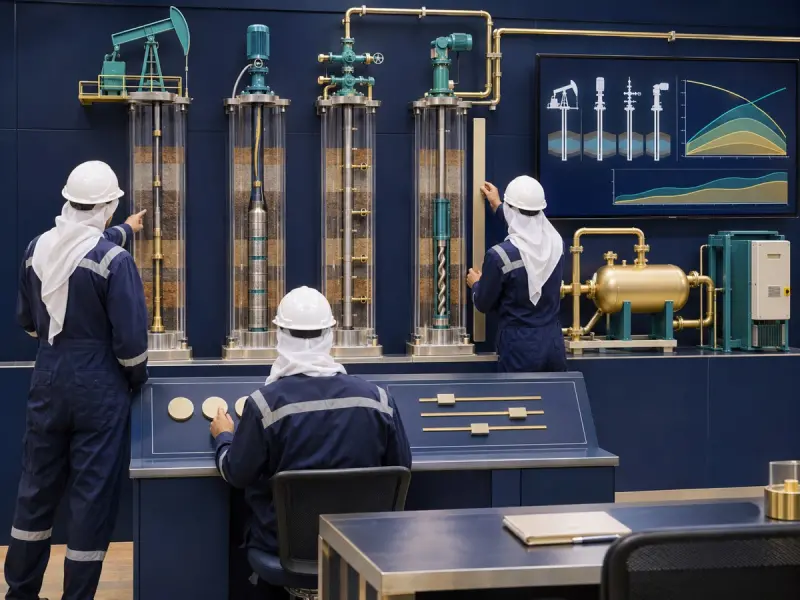
Heavy Oil Production Optimization Training Course

At a glance
- Duration
- 1 Week
- Format
- Classroom
- Cities
- Cape town, Montreux, Lagos, Dubai, Nice, San Diego and more
- Next session
- 8 – 12 November 2026, Cape town
- Average fee
- 7,500 €
Overview
Advanced Heavy Oil Production Optimization Training Course is a one-week advanced course for reservoir, production, thermal recovery, field development, and operations teams who leave with a Heavy Oil Production Optimization File. Participants connect heavy oil reservoir behavior, viscosity and mobility constraints, cold production, thermal recovery, artificial lift, surface handling, and production surveillance to diagnose well and pattern performance. The course turns operating evidence into integrated decisions on rates, steam, fluids, energy intensity, and limits. Agile Leaders Training Center presents heavy oil production optimization practice.
Who Should Attend
- Reservoir teams responsible for heavy oil recovery screening, pattern performance, and depletion decisions
- Production teams responsible for well deliverability, artificial lift, diagnostics, and intervention priorities
- Thermal recovery teams responsible for steam injection, CSS cycles, SAGD performance, and heat management
- Field development teams responsible for integrated subsurface, well, and facility decisions
- Operations leadership responsible for production targets, operating limits, energy use, and asset coordination
The course assumes participants analyze reservoir, well, facility, or operating data at work, and it leaves out refinery conversion, introductory fluid modeling, standalone lift selection, and general production operations.
Departments and Industries
The course supports departments and industries that develop, operate, monitor, or improve viscous hydrocarbon production systems.
- Heavy oil, extra-heavy oil, and oil sands field operations
- Reservoir engineering, production technology, and field development departments
- Thermal recovery, steam generation, water treatment, and energy management teams
- Well operations, artificial lift, flow assurance, and production chemistry functions
- Engineering consultancies, technical service companies, and applied energy research groups
Learning Objectives
By the end of this course, participants will be able to:
- Analyze viscosity, mobility, reservoir, and operating constraints
- Compare cold production and thermal recovery methods
- Diagnose well, lift, fluid, and pattern underperformance
- Evaluate steam, water, gas, sand, and emulsion controls
- Prioritize surveillance and production optimization actions
- Build a Heavy Oil Production Optimization File
Course Agenda
Day 1: Define Heavy Oil Production Constraints
- Heavy Oil Classification and Viscosity-Temperature Curve
- Reservoir Mobility and Deliverability Constraint Map
- Fluid, Rock, Sand, and Foamy-Oil Behavior Review
- Cold-versus-Thermal Recovery Screening Matrix
- Field Production Basis and Operating-Limit Register
Day 2: Optimize Cold Production and Well Delivery
- Cold Heavy Oil Production with Sand Performance Model
- Horizontal-Well Inflow and Pressure-Loss Diagnostic
- Viscous-Fluid Artificial Lift Operating Envelope
- Gas Interference and Water Loading Decision Tree
- Well Deliverability and Intervention Priority Table
Day 3: Evaluate Thermal Recovery Performance
- Cyclic Steam Stimulation Injection-Soak-Production Cycle
- Steamflood Pattern Balance and Heat-Loss Review
- SAGD Steam-Chamber Growth Interpretation Method
- Steam-Oil Ratio and Energy-Intensity Performance Dashboard
- Thermal Breakthrough and Conformance Response Matrix
Day 4: Integrate Surveillance and Surface Controls
- Well and Pattern Production Surveillance Plan
- Rate, Pressure, Temperature, and Fluid Trend Diagnostic
- Sand Production and Erosion Control Checklist
- Heavy Oil Emulsion and Surface Handling Decision Map
- Produced Water, Gas, Diluent, and Heat Integration Sheet
Day 5: Practice Heavy Oil Optimization Decisions
- Suggested Exercise: Screen Cold and Thermal Recovery Options
- Suggested Exercise: Diagnose a Viscous-Well Production Decline
- Suggested Exercise: Evaluate SAGD and CSS Performance Evidence
- Suggested Exercise: Prioritize Surface and Surveillance Actions
- Capstone Exercise: Complete the Heavy Oil Production Optimization File
Practical Exercises
The course uses suggested activities to convert reservoir-to-surface evidence into bounded production decisions.
- Suggested activity: build a constraint map from viscosity, mobility, pressure, temperature, sand, water, gas, and facility evidence.
- Suggested activity: compare cold production, CSS, steamflood, and SAGD against reservoir fit, energy intensity, and operating limits.
- Suggested activity: diagnose well and pattern trends and assign surveillance, lift, steam, fluid, or surface responses.
- Suggested activity: defend an integrated optimization file with priorities, triggers, responsibilities, and follow-up measures.
FAQs
Who suits advanced heavy oil production optimization training, and what does it assume?
Reservoir, production, thermal recovery, field development, and operations professionals suit the course. It assumes experience interpreting field, well, reservoir, facility, or operating evidence and does not teach introductory petroleum engineering.
How does heavy oil production optimization differ from general production operations training?
Heavy oil production optimization addresses viscosity, sand, emulsions, thermal recovery, steam efficiency, and pattern behavior as linked constraints. General production operations training covers broader routine production systems without this heavy-oil decision focus.
How are CSS and SAGD compared in heavy oil production optimization?
CSS is evaluated as a repeated injection, soak, and production cycle, while SAGD is evaluated through paired wells and steam-chamber development. The comparison uses reservoir fit, thermal response, production evidence, steam use, and operating limits.
What evidence supports heavy oil well and pattern optimization?
Rate, pressure, temperature, fluid composition, steam, water, gas, sand, lift behavior, energy intensity, and facility constraints support optimization. Their trends and relationships matter more than a single production-rate observation.
Why does steam-oil ratio matter in thermal heavy oil production?
Steam-oil ratio links injected steam to produced oil and helps teams examine thermal efficiency, water demand, fuel exposure, heat losses, and changing reservoir response. It must be interpreted with operating conditions and production trends.
Conclusion
Participants take back a Heavy Oil Production Optimization File linking reservoir behavior, wells, recovery methods, surveillance, surface controls, energy intensity, and operating limits. It changes separate technical observations into one prioritized field-decision record. Teams can update it as production evidence, thermal response, fluid behavior, and asset constraints change.
credits: 5 credit per day
Course Mode: full-time
Provider: Agile Leaders Training Center
-
Events for this Course
-
Cape town 8 – 12 November 2026
-
Montreux 9 – 13 November 2026
-
Lagos 22 – 26 November 2026
-
Dubai 23 – 27 November 2026
-
Nice 30 November – 4 December 2026
-
San Diego 7 – 11 December 2026
-
Nairobi 20 – 24 December 2026
-
Tashkent 20 – 24 December 2026
-
Paris 11 – 15 January 2027
-
Tbilisi 18 – 22 January 2027
-
Zanzibar 24 – 28 January 2027
-
Athens 25 – 29 January 2027
-
Rome 1 – 5 February 2027
-
Chicago 7 – 11 February 2027
-
Barcelona 8 – 12 February 2027
-
Jakarta 15 – 19 February 2027
-
Abu Dhabi 15 – 19 February 2027
-
Kuala Lumpur 22 – 26 February 2027
-
New York 22 – 26 February 2027
-
Muscat 28 February – 4 March 2027
-
Milan 8 – 12 March 2027
-
Munich 8 – 12 March 2027
-
Trabzon 14 – 18 March 2027
-
Istanbul 15 – 19 March 2027
-
Cairo 12 – 16 April 2027
-
Berlin 12 – 16 April 2027
-
Langkawi 18 – 22 April 2027
-
Lisbon 19 – 23 April 2027
-
Geneva 25 – 29 April 2027
-
Johannesburg 9 – 13 May 2027
-
Accra 16 – 20 May 2027
-
Madrid 24 – 28 May 2027
-
London 31 May – 4 June 2027
-
Porto 31 May – 4 June 2027
-
Dubai 7 – 11 June 2027
-
Tokyo 14 – 18 June 2027
-
Zoom 28 June – 2 July 2027
-
Frankfurt 28 June – 2 July 2027
-
Prague 5 – 9 July 2027
-
Baku 12 – 16 July 2027
-
Phuket 18 – 22 July 2027
-
Sharm El-Sheikh 26 – 30 July 2027
-
Bangkok 1 – 5 August 2027
-
Manama 8 – 12 August 2027
-
Addis Ababa 9 – 13 August 2027
-
Amman 15 – 19 August 2027
-
Seoul 23 – 27 August 2027
-
Amsterdam 30 August – 3 September 2027
-
Kuwait 5 – 9 September 2027
-
Bali 19 – 23 September 2027
-
Abu Dhabi 20 – 24 September 2027
-
Vienna 27 September – 1 October 2027
-
Singapore 4 – 8 October 2027
-
London 18 – 22 October 2027
-
Marbella 24 – 28 October 2027
-
Casablanca 25 – 29 October 2027
-
Doha 7 – 11 November 2027
-
Toronto 7 – 11 November 2027
| Image | Location | Dates | Duration | Mode | Price | Actions |
|---|---|---|---|---|---|---|

|
Milan |
Week 10, 2027 8 – 12 March 2027 |
1 Week | Onsite | €7,000 | |

|
Munich |
Week 10, 2027 8 – 12 March 2027 |
1 Week | Onsite | €6,500 | |

|
Trabzon |
Week 10, 2027 14 – 18 March 2027 |
1 Week | Onsite | €8,000 | |

|
Istanbul |
Week 11, 2027 15 – 19 March 2027 |
1 Week | Onsite | €6,000 | |

|
Cairo |
Week 15, 2027 12 – 16 April 2027 |
1 Week | Onsite | €5,200 | |

|
Berlin |
Week 15, 2027 12 – 16 April 2027 |
1 Week | Onsite | €6,500 | |

|
Langkawi |
Week 15, 2027 18 – 22 April 2027 |
1 Week | Onsite | €8,000 | |

|
Lisbon |
Week 16, 2027 19 – 23 April 2027 |
1 Week | Onsite | €6,500 | |

|
Geneva |
Week 16, 2027 25 – 29 April 2027 |
1 Week | Onsite | €8,000 | |

|
Johannesburg |
Week 18, 2027 9 – 13 May 2027 |
1 Week | Onsite | €6,000 | |

|
Accra |
Week 19, 2027 16 – 20 May 2027 |
1 Week | Onsite | €6,000 | |

|
Madrid |
Week 21, 2027 24 – 28 May 2027 |
1 Week | Onsite | €6,500 | |

|
London |
Week 22, 2027 31 May – 4 June 2027 |
1 Week | Onsite | €6,500 | |

|
Porto |
Week 22, 2027 31 May – 4 June 2027 |
1 Week | Onsite | €6,500 | |

|
Dubai |
Week 23, 2027 7 – 11 June 2027 |
1 Week | Onsite | €6,500 | |

|
Tokyo |
Week 24, 2027 14 – 18 June 2027 |
1 Week | Onsite | €12,000 | |

|
Zoom |
Week 26, 2027 28 June – 2 July 2027 |
1 Week | Online | €3,000 | |

|
Frankfurt |
Week 26, 2027 28 June – 2 July 2027 |
1 Week | Onsite | €6,500 | |

|
Prague |
Week 27, 2027 5 – 9 July 2027 |
1 Week | Onsite | €7,500 | |

|
Baku |
Week 28, 2027 12 – 16 July 2027 |
1 Week | Onsite | €8,000 |
Frequently asked questions
What does this course cover?
OverviewAdvanced Heavy Oil Production Optimization Training Course is a one-week advanced course for reservoir, production, thermal recovery, field development, and operations teams who leave with a Heavy Oil Production Optimization File. Participants connect heavy oil reservoir behavior, viscosity and mobility constraints, cold production, thermal recove…
Are training dates available?
Yes. Available dates and destinations are listed in the course dates section on this page.
How can I register?
Choose an available date on this page and complete the registration form, or send a programme enquiry.
Can I download the course brochure?
Yes. Use the brochure download link provided on this page.
This course by city
- Oil & Gas Training and Other Technical Courses in Abu Dhabi
- Oil & Gas Training and Other Technical Courses in Accra
- Oil & Gas Training and Other Technical Courses in Addis Ababa
- Oil & Gas Training and Other Technical Courses in Amman
- Oil & Gas Training and Other Technical Courses in Amsterdam
- Oil & Gas Training and Other Technical Courses in Athens
- Oil & Gas Training and Other Technical Courses in Baku
- Oil & Gas Training and Other Technical Courses in Bali
- Oil & Gas Training and Other Technical Courses in Bangkok
- Oil & Gas Training and Other Technical Courses in Barcelona
- Oil & Gas Training and Other Technical Courses in Berlin
- Oil & Gas Training and Other Technical Courses in Cairo
- Oil & Gas Training and Other Technical Courses in Cape town
- Oil & Gas Training and Other Technical Courses in Casablanca
- Oil & Gas Training and Other Technical Courses in Chicago
- Oil & Gas Training and Other Technical Courses in Doha
- Oil & Gas Training and Other Technical Courses in Dubai
- Oil & Gas Training and Other Technical Courses in Frankfurt
- Oil & Gas Training and Other Technical Courses in Geneva
- Oil & Gas Training and Other Technical Courses in Istanbul
- Oil & Gas Training and Other Technical Courses in Jakarta
- Oil & Gas Training and Other Technical Courses in Johannesburg
- Oil & Gas Training and Other Technical Courses in Kuala Lumpur
- Oil & Gas Training and Other Technical Courses in Kuwait
- Oil & Gas Training and Other Technical Courses in Lagos
- Oil & Gas Training and Other Technical Courses in Langkawi
- Oil & Gas Training and Other Technical Courses in Lisbon
- Oil & Gas Training and Other Technical Courses in London
- Oil & Gas Training and Other Technical Courses in Madrid
- Oil & Gas Training and Other Technical Courses in Manama
- Oil & Gas Training and Other Technical Courses in Marbella
- Oil & Gas Training and Other Technical Courses in Milan
- Oil & Gas Training and Other Technical Courses in Montreux
- Oil & Gas Training and Other Technical Courses in Munich
- Oil & Gas Training and Other Technical Courses in Muscat
- Oil & Gas Training and Other Technical Courses in Nairobi
- Oil & Gas Training and Other Technical Courses in New York
- Oil & Gas Training and Other Technical Courses in Nice
- Oil & Gas Training and Other Technical Courses in Paris
- Oil & Gas Training and Other Technical Courses in Phuket
- Oil & Gas Training and Other Technical Courses in Porto
- Oil & Gas Training and Other Technical Courses in Prague
- Oil & Gas Training and Other Technical Courses in Rome
- Oil & Gas Training and Other Technical Courses in San Diego
- Oil & Gas Training and Other Technical Courses in Seoul
- Oil & Gas Training and Other Technical Courses in Sharm El-Sheikh
- Oil & Gas Training and Other Technical Courses in Singapore
- Oil & Gas Training and Other Technical Courses in Tashkent
- Oil & Gas Training and Other Technical Courses in Tbilisi
- Oil & Gas Training and Other Technical Courses in Tokyo
- Oil & Gas Training and Other Technical Courses in Toronto
- Oil & Gas Training and Other Technical Courses in Trabzon
- Oil & Gas Training and Other Technical Courses in Vienna
- Oil & Gas Training and Other Technical Courses in Zanzibar
- Oil & Gas Training and Other Technical Courses in Zoom