Industrial Process Utility Systems Training Course

At a glance
- Duration
- 1 Week
- Format
- Classroom
- Cities
- Milan, Addis Ababa, London, Amman, Kuala Lumpur, Dubai and more
- Next session
- 9 – 13 November 2026, Milan
- Average fee
- 7,500 €
Overview
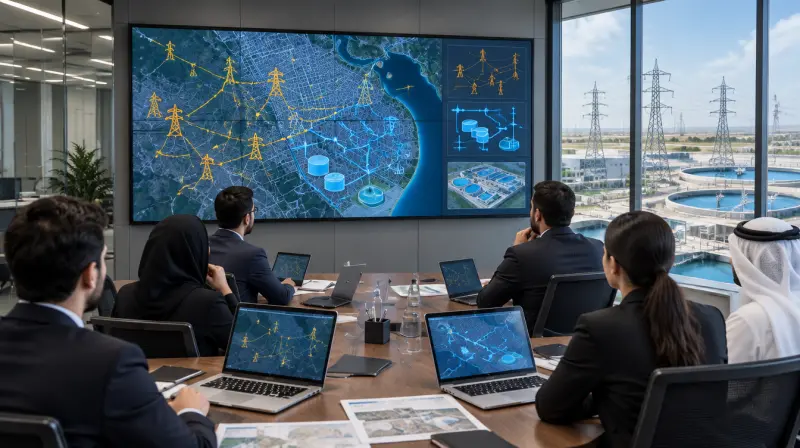
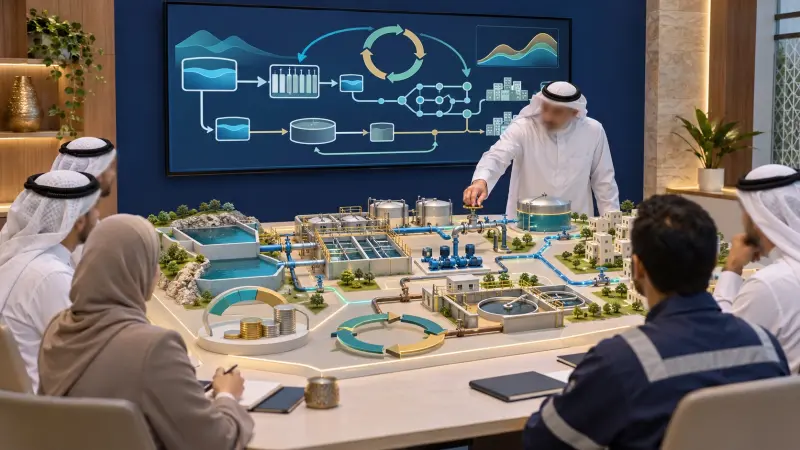
Industrial Process Utility Systems Training Course is a one-week course for plant professionals who leave with a Utility Systems Operations and Reliability File. Participants map industrial process utility systems, steam and condensate networks, cooling water systems, compressed air and nitrogen services, fuel supply, refrigeration, and utility energy performance as one operating network. The course uses balances, header trends, interface checks, performance indicators, and loss-of-utility scenarios while excluding specialist equipment design. Agile Leaders Training Center delivers this course on process utilities and industrial refrigeration.
Who Should Attend
- Teams responsible for operating and balancing plant utility headers
- Functions responsible for utility equipment maintenance and service continuity
- Process groups responsible for utility demand and production interfaces
- Energy teams responsible for metering, performance indicators, and loss reduction
- Project groups responsible for utility capacity, tie-ins, and commissioning support
The course assumes participants can read basic process diagrams and operating trends, and it leaves out specialist boiler operation, water-treatment chemistry, compressor design, electrical distribution, and detailed refrigeration design.
Departments and Industries
The course supports utility operations across process facilities and industrial manufacturing sites.
- Utilities, operations, maintenance, and reliability departments
- Process, energy, project, and technical-service functions
- Oil, gas, refining, petrochemical, and chemical processing
- Food, pharmaceutical, paper, and industrial manufacturing
- Power, water, district cooling, and infrastructure services
Learning Objectives
By the end of this course, participants will be able to:
- Build a utility generation, distribution, and consumer map
- Analyze steam, water, air, gas, and refrigeration operating evidence
- Use balances and header indicators to evaluate capacity
- Compare utility energy and reliability performance
- Diagnose cross-system disturbances and loss-of-utility events
- Prioritize operating, maintenance, and recovery actions
Course Agenda
Day 1: Utility Network Mapping and Demand
- Utility Generation-Distribution-Consumer Block Diagram
- Site Utility Balance and Demand Register
- Header Pressure, Temperature, Flow, and Quality Indicator Matrix
- Process Unit Interface and Tie-In Map
- Utility Criticality and Loss-Impact Ranking
Day 2: Steam, Condensate, and Cooling Water
- Steam Header, Letdown, and End-Use Flow Map
- Steam Trap, Distribution Loss, and Condensate Return Checklist
- Cooling Water Supply-Return Temperature Balance
- Cooling Tower, Heat Exchanger, and Pump Interface Review
- Thermal Utility Performance and Fouling Indicator Sheet
Day 3: Compressed Air, Nitrogen, and Fuel Services
- ISO 11011 Supply-Transmission-Demand Assessment Map
- Compressed Air Pressure, Dew Point, Leak, and Storage Review
- Nitrogen Generation, Purity, Blanketing, and Purging Checklist
- Inert Gas Storage and Distribution Capacity Worksheet
- Fuel Gas Conditioning, Header Stability, and Consumer Register
Day 4: Refrigeration, Monitoring, and Integration
- Refrigeration Cycle and Process Cooling Interface Diagram
- Evaporator, Condenser, Compressor, and Heat-Rejection Performance Review
- Utility Metering and Specific Energy Indicator Dashboard
- Cross-Utility Dependency and Disturbance Propagation Matrix
- Standby Capacity, Load Shedding, and Recovery Sequence Plan
Day 5: Utility Troubleshooting and Recovery Practice
- Suggested Exercise: Reconcile a Site Utility Balance and Demand Peak
- Suggested Exercise: Diagnose Steam and Cooling Water Performance Loss
- Suggested Exercise: Trace an Air or Nitrogen Header Disturbance
- Suggested Exercise: Evaluate Refrigeration and Fuel-Service Recovery Options
- Capstone Exercise: Complete the Utility Systems Operations and Reliability File
Practical Exercises
The course uses suggested activities to connect utility maps, trends, balances, and operating decisions.
- Suggested activity: map generation assets, headers, consumers, tie-ins, and standby capacity
- Suggested activity: compare steam, cooling-water, and compressed-air supply against demand evidence
- Suggested activity: trace a utility disturbance through process dependencies and recovery priorities
- Suggested activity: assemble performance indicators, findings, owners, and actions into a utility review file
FAQs
Who suits industrial process utility systems training, and what does it assume?
Utility, process, operations, maintenance, energy, and project personnel suit the course. It assumes basic diagram and trend-reading ability, while specialist equipment design and water-treatment chemistry remain outside scope.
How does industrial process utility systems training differ from boiler operation training?
Industrial process utility systems training connects steam, water, air, gases, fuel, and refrigeration across plant interfaces. Boiler operation training concentrates on steam-generation equipment, combustion, boiler controls, and operating procedures.
How are process utility capacity and demand balanced?
Capacity and demand are balanced by documenting generation, distribution constraints, consumers, peak loads, quality requirements, spare capacity, standby assets, and loss allowances for each utility header.
What indicators reveal utility energy and reliability problems?
Useful indicators include specific energy use, header pressure and temperature, return rates, leak estimates, dew point, purity, approach temperatures, equipment loading, standby availability, interruptions, and recovery time.
How are loss-of-utility events diagnosed across plant systems?
Diagnosis compares header trends, equipment status, consumer demand, control actions, dependency maps, alarms, and recovery sequences. The evidence identifies the initiating disturbance, affected units, protective actions, and restoration priorities.
Conclusion
Participants take back a Utility Systems Operations and Reliability File containing maps, balances, indicators, disturbance findings, and recovery actions. It gives plant teams a shared view of utility supply, demand, dependencies, and performance. The file supports operating decisions, maintenance priorities, energy reviews, and coordinated recovery from utility interruptions.
credits: 5 credit per day
Course Mode: full-time
Provider: Agile Leaders Training Center
-
Events for this Course
-
Milan 9 – 13 November 2026
-
Addis Ababa 9 – 13 November 2026
-
London 23 – 27 November 2026
-
Amman 29 November – 3 December 2026
-
Kuala Lumpur 7 – 11 December 2026
-
Dubai 21 – 25 December 2026
-
Rome 28 December 2026 – 1 January 2027
-
Abu Dhabi 28 December 2026 – 1 January 2027
-
Accra 3 – 7 January 2027
-
Muscat 3 – 7 January 2027
-
Madrid 11 – 15 January 2027
-
Lisbon 18 – 22 January 2027
-
Bali 24 – 28 January 2027
-
Johannesburg 31 January – 4 February 2027
-
Doha 7 – 11 February 2027
-
Geneva 21 – 25 February 2027
-
Lagos 21 – 25 February 2027
-
Chicago 28 February – 4 March 2027
-
Porto 1 – 5 March 2027
-
London 8 – 12 March 2027
-
Montreux 22 – 26 March 2027
-
New York 29 March – 2 April 2027
-
Tbilisi 19 – 23 April 2027
-
Munich 3 – 7 May 2027
-
Berlin 3 – 7 May 2027
-
Istanbul 10 – 14 May 2027
-
Frankfurt 10 – 14 May 2027
-
Baku 17 – 21 May 2027
-
Prague 24 – 28 May 2027
-
Singapore 24 – 28 May 2027
-
Jakarta 31 May – 4 June 2027
-
Sharm El-Sheikh 7 – 11 June 2027
-
Zoom 14 – 18 June 2027
-
San Diego 28 June – 2 July 2027
-
Nairobi 4 – 8 July 2027
-
Amsterdam 12 – 16 July 2027
-
Tokyo 19 – 23 July 2027
-
Seoul 19 – 23 July 2027
-
Manama 25 – 29 July 2027
-
Toronto 25 – 29 July 2027
-
Kuwait 1 – 5 August 2027
-
Cape town 8 – 12 August 2027
-
Barcelona 16 – 20 August 2027
-
Dubai 23 – 27 August 2027
-
Casablanca 30 August – 3 September 2027
-
Zanzibar 5 – 9 September 2027
-
Langkawi 12 – 16 September 2027
-
Nice 13 – 17 September 2027
-
Phuket 19 – 23 September 2027
-
Marbella 19 – 23 September 2027
-
Bangkok 26 – 30 September 2027
-
Paris 4 – 8 October 2027
-
Tashkent 10 – 14 October 2027
-
Vienna 11 – 15 October 2027
-
Cairo 18 – 22 October 2027
-
Trabzon 31 October – 4 November 2027
-
Abu Dhabi 1 – 5 November 2027
-
Athens 8 – 12 November 2027
| Image | Location | Dates | Duration | Mode | Price | Actions |
|---|---|---|---|---|---|---|

|
Montreux |
Week 12, 2027 22 – 26 March 2027 |
1 Week | Onsite | €8,000 | |

|
New York |
Week 13, 2027 29 March – 2 April 2027 |
1 Week | Onsite | €16,000 | |

|
Tbilisi |
Week 16, 2027 19 – 23 April 2027 |
1 Week | Onsite | €5,700 | |

|
Munich |
Week 18, 2027 3 – 7 May 2027 |
1 Week | Onsite | €6,500 | |

|
Berlin |
Week 18, 2027 3 – 7 May 2027 |
1 Week | Onsite | €6,500 | |

|
Istanbul |
Week 19, 2027 10 – 14 May 2027 |
1 Week | Onsite | €6,000 | |

|
Frankfurt |
Week 19, 2027 10 – 14 May 2027 |
1 Week | Onsite | €6,500 | |

|
Baku |
Week 20, 2027 17 – 21 May 2027 |
1 Week | Onsite | €8,000 | |

|
Prague |
Week 21, 2027 24 – 28 May 2027 |
1 Week | Onsite | €7,500 | |

|
Singapore |
Week 21, 2027 24 – 28 May 2027 |
1 Week | Onsite | €6,500 | |

|
Jakarta |
Week 22, 2027 31 May – 4 June 2027 |
1 Week | Onsite | €8,000 | |

|
Sharm El-Sheikh |
Week 23, 2027 7 – 11 June 2027 |
1 Week | Onsite | €5,200 | |

|
Zoom |
Week 24, 2027 14 – 18 June 2027 |
1 Week | Online | €3,000 | |

|
San Diego |
Week 26, 2027 28 June – 2 July 2027 |
1 Week | Onsite | €16,000 | |

|
Nairobi |
Week 26, 2027 4 – 8 July 2027 |
1 Week | Onsite | €6,000 | |

|
Amsterdam |
Week 28, 2027 12 – 16 July 2027 |
1 Week | Onsite | €6,500 | |

|
Tokyo |
Week 29, 2027 19 – 23 July 2027 |
1 Week | Onsite | €12,000 | |

|
Seoul |
Week 29, 2027 19 – 23 July 2027 |
1 Week | Onsite | €12,000 | |

|
Manama |
Week 29, 2027 25 – 29 July 2027 |
1 Week | Onsite | €6,500 | |

|
Toronto |
Week 29, 2027 25 – 29 July 2027 |
1 Week | Onsite | €16,000 |
Frequently asked questions
What does this course cover?
OverviewIndustrial Process Utility Systems Training Course is a one-week course for plant professionals who leave with a Utility Systems Operations and Reliability File. Participants map industrial process utility systems, steam and condensate networks, cooling water systems, compressed air and nitrogen services, fuel supply, refrigeration, and utility en…
Are training dates available?
Yes. Available dates and destinations are listed in the course dates section on this page.
How can I register?
Choose an available date on this page and complete the registration form, or send a programme enquiry.
Can I download the course brochure?
Yes. Use the brochure download link provided on this page.
This course by city
- Oil & Gas Training and Other Technical Courses in Abu Dhabi
- Oil & Gas Training and Other Technical Courses in Accra
- Oil & Gas Training and Other Technical Courses in Addis Ababa
- Oil & Gas Training and Other Technical Courses in Amman
- Oil & Gas Training and Other Technical Courses in Amsterdam
- Oil & Gas Training and Other Technical Courses in Athens
- Oil & Gas Training and Other Technical Courses in Baku
- Oil & Gas Training and Other Technical Courses in Bali
- Oil & Gas Training and Other Technical Courses in Bangkok
- Oil & Gas Training and Other Technical Courses in Barcelona
- Oil & Gas Training and Other Technical Courses in Berlin
- Oil & Gas Training and Other Technical Courses in Cairo
- Oil & Gas Training and Other Technical Courses in Cape town
- Oil & Gas Training and Other Technical Courses in Casablanca
- Oil & Gas Training and Other Technical Courses in Chicago
- Oil & Gas Training and Other Technical Courses in Doha
- Oil & Gas Training and Other Technical Courses in Dubai
- Oil & Gas Training and Other Technical Courses in Frankfurt
- Oil & Gas Training and Other Technical Courses in Geneva
- Oil & Gas Training and Other Technical Courses in Istanbul
- Oil & Gas Training and Other Technical Courses in Jakarta
- Oil & Gas Training and Other Technical Courses in Johannesburg
- Oil & Gas Training and Other Technical Courses in Kuala Lumpur
- Oil & Gas Training and Other Technical Courses in Kuwait
- Oil & Gas Training and Other Technical Courses in Lagos
- Oil & Gas Training and Other Technical Courses in Langkawi
- Oil & Gas Training and Other Technical Courses in Lisbon
- Oil & Gas Training and Other Technical Courses in London
- Oil & Gas Training and Other Technical Courses in Madrid
- Oil & Gas Training and Other Technical Courses in Manama
- Oil & Gas Training and Other Technical Courses in Marbella
- Oil & Gas Training and Other Technical Courses in Milan
- Oil & Gas Training and Other Technical Courses in Montreux
- Oil & Gas Training and Other Technical Courses in Munich
- Oil & Gas Training and Other Technical Courses in Muscat
- Oil & Gas Training and Other Technical Courses in Nairobi
- Oil & Gas Training and Other Technical Courses in New York
- Oil & Gas Training and Other Technical Courses in Nice
- Oil & Gas Training and Other Technical Courses in Paris
- Oil & Gas Training and Other Technical Courses in Phuket
- Oil & Gas Training and Other Technical Courses in Porto
- Oil & Gas Training and Other Technical Courses in Prague
- Oil & Gas Training and Other Technical Courses in Rome
- Oil & Gas Training and Other Technical Courses in San Diego
- Oil & Gas Training and Other Technical Courses in Seoul
- Oil & Gas Training and Other Technical Courses in Sharm El-Sheikh
- Oil & Gas Training and Other Technical Courses in Singapore
- Oil & Gas Training and Other Technical Courses in Tashkent
- Oil & Gas Training and Other Technical Courses in Tbilisi
- Oil & Gas Training and Other Technical Courses in Tokyo
- Oil & Gas Training and Other Technical Courses in Toronto
- Oil & Gas Training and Other Technical Courses in Trabzon
- Oil & Gas Training and Other Technical Courses in Vienna
- Oil & Gas Training and Other Technical Courses in Zanzibar
- Oil & Gas Training and Other Technical Courses in Zoom