Master Historic Preservation: Techniques & Best Practices

At a glance
- Duration
- 5 days
- Format
- Classroom
- Cities
- Lisbon, Istanbul, London, Nice, Kuwait, Abu Dhabi and more
- Next session
- 12 – 16 October 2026, Lisbon
- Average fee
- 7,550 €
Course Overview
This course is the ultimate guide to the best practices in heritage preservation. It covers critical areas such as historic building restoration, preservation techniques, and the rehabilitation of historic buildings. Participants will gain complete knowledge of historical building materials, site setting, and masonry preservation. The course also includes wood preservation, architectural metal restoration, and the restoration of historic roofs and windows. Detailed sessions on entrances and porch preservation, storefront rehabilitation, and structural systems in historic buildings will equip attendees with essential skills. Additionally, the course addresses interior features restoration, historic mechanical systems, building site preservation, energy efficiency in historic buildings, and accessibility in historic preservation. Health and safety considerations, technical guidance on historic preservation, and preservation project management are key components. This course ensures that participants are fully equipped to implement sustainable preservation practices and manage historic district preservation projects effectively.
Target Audience
- Preservation Architects
- Conservation Specialists
- Historic Building Contractors
- Restoration Project Managers
- Urban Planners
- Cultural Heritage Officers
- Government Officials in Preservation Departments
- Museum Curators
- Academic Researchers in Heritage Studies
- Facilities Managers in Historic Sites
Targeted Organizational Departments
- Cultural Heritage Departments
- Urban Planning and Development Departments
- Museum and Gallery Management
- Historic Preservation Agencies
- Facilities Management in Historic Buildings
- Architecture Firms with a Focus on Restoration
- Construction Companies Specializing in Rehabilitation
Targeted Industries
- Architecture and Construction
- Cultural Heritage and Conservation
- Urban Planning and Development
- Museum and Gallery Management
- Government and Public Administration
- Education and Research in Historic Preservation
Course Offerings
By the end of this course, participants will be able to:
- Assess and apply preservation techniques for historic buildings
- Develop strategies for the restoration of historic architecture
- Implement rehabilitation projects for historic buildings
- Utilize preservation standards and guidelines effectively
- Conduct masonry, wood, and architectural metal restoration
- Manage historic roofs, windows, and storefront restorations
- Ensure energy efficiency and accessibility in historic preservation projects
- Address health and safety considerations in preservation projects
- Execute preservation project management successfully
Training Methodology
This course utilizes various training methods to create an engaging and effective learning experience. Participants will benefit from case studies that provide real-world examples of heritage preservation projects, allowing them to see how the course concepts are applied in practice. Group work and interactive sessions will encourage collaboration and idea-sharing among participants. Feedback sessions will be conducted to address individual challenges and ensure comprehension. The course also includes hands-on workshops where participants can practice preservation techniques and project management skills. By combining theoretical instruction and practical exercises, attendees will gain a comprehensive understanding of the preservation, rehabilitation, restoration, and reconstruction of historic buildings.
Course Toolbox
- complete workbooks on preservation techniques
- Reading materials on preservation standards and guidelines
- Online resources for historic building restoration
- Checklists for masonry, wood, and metal restoration projects
- Templates for preservation project management
Course Agenda
Day 1: Foundations of Heritage Preservation
- Topic 1: Introduction to Heritage Preservation
- Topic 2: Choosing an Appropriate Treatment for the Historic Building
- Topic 3: Using the Standards and Guidelines for a Preservation, Rehabilitation, Restoration, or Reconstruction Project
- Topic 4: Historical Overview: Building Materials, Building Features, Site, Setting, Special Requirements
- Topic 5: Standards for Preservation and Guidelines for Preserving Historic Buildings
- Topic 6: Introduction to Preservation Techniques
- Reflection & Review: Reflect on foundational concepts and review key points
Day 2: Material-Specific Preservation Techniques
- Topic 1: Building Exterior: Materials
- Topic 2: Masonry Preservation Techniques
- Topic 3: Wood Preservation in Historic Buildings
- Topic 4: Architectural Metal Restoration
- Topic 5: Historic Roofs Restoration
- Topic 6: Window Restoration in Historic Buildings
- Reflection & Review: Discuss material-specific preservation techniques and review the day's learnings
Day 3: Exterior Features and Structural Systems
- Topic 1: Entrances and Porches Preservation
- Topic 2: Storefront Rehabilitation
- Topic 3: Building Interior: Structural Systems
- Topic 4: Spaces, Features, and Finishes Restoration
- Topic 5: Historic Mechanical Systems
- Topic 6: Building Site Preservation
- Reflection & Review: Reflect on the preservation of exterior features and structural systems
Day 4: complete Preservation Practices
- Topic 1: Setting (District/Neighborhood) Preservation
- Topic 2: Special Requirements in Historic Preservation
- Topic 3: Energy Efficiency in Historic Buildings
- Topic 4: Accessibility Considerations in Historic Preservation
- Topic 5: Health and Safety Considerations in Heritage Preservation
- Topic 6: Technical Guidance on Historic Preservation
- Reflection & Review: Review complete preservation practices and reflect on key insights
Day 5: Project Management and Practical Application
- Topic 1: Standards for Rehabilitation and Guidelines for Rehabilitating Historic Buildings
- Topic 2: Research and Documentation for Historic Preservation Projects
- Topic 3: Preservation Project Management
- Topic 4: Conservation of Heritage Buildings
- Topic 5: Sustainable Preservation Practices
- Topic 6: Historic District Preservation
- Reflection & Review: Discuss project management in preservation and review the entire course content
How This Course is Different from Other Heritage Preservation Courses
The course stands out due to its holistic approach to heritage preservation. Unlike other courses, it covers the entire spectrum of preservation activities, from initial assessment and selection of preservation techniques to the execution of complex restoration projects. The course emphasizes hands-on experience through workshops and interactive sessions, ensuring that participants not only learn theoretical concepts but also gain practical skills. Additionally, the course provides complete resources and tools, such as checklists, and templates to support participants in their preservation projects. The focus on sustainability and energy efficiency in historic buildings, as well as accessibility and health and safety considerations, ensures that participants are prepared to handle contemporary challenges in heritage preservation. This course also includes extensive coverage of preservation standards and guidelines, making it an essential training program for professionals aiming to excel in the field of historic preservation.
credits: 5 credit per day
Course Mode: full-time
Provider: Agile Leaders Training Center
-
Events for this Course
-
Lisbon 12 – 16 October 2026
-
Istanbul 2 – 6 November 2026
-
London 9 – 13 November 2026
-
Nice 16 – 20 November 2026
-
Kuwait 22 – 26 November 2026
-
Abu Dhabi 23 – 27 November 2026
-
Montreux 14 – 18 December 2026
-
Kuala Lumpur 21 – 25 December 2026
-
Dubai 28 December 2026 – 1 January 2027
-
Zanzibar 3 – 7 January 2027
-
Berlin 4 – 8 January 2027
-
Rome 11 – 15 January 2027
-
Muscat 17 – 21 January 2027
-
Jakarta 18 – 22 January 2027
-
Sharm El-Sheikh 25 – 29 January 2027
-
Manama 7 – 11 February 2027
-
Toronto 7 – 11 February 2027
-
Johannesburg 14 – 18 February 2027
-
Bangkok 21 – 25 February 2027
-
Porto 22 – 26 February 2027
-
Cape town 28 February – 4 March 2027
-
Madrid 8 – 12 March 2027
-
Accra 14 – 18 March 2027
-
Marbella 14 – 18 March 2027
-
Barcelona 22 – 26 March 2027
-
Frankfurt 22 – 26 March 2027
-
Dubai 29 March – 2 April 2027
-
Zoom 29 March – 2 April 2027
-
London 5 – 9 April 2027
-
Bali 11 – 15 April 2027
-
Geneva 18 – 22 April 2027
-
New York 19 – 23 April 2027
-
Chicago 25 – 29 April 2027
-
San Diego 3 – 7 May 2027
-
Amsterdam 10 – 14 May 2027
-
Seoul 10 – 14 May 2027
-
Vienna 17 – 21 May 2027
-
Phuket 30 May – 3 June 2027
-
Al Jubail 6 – 10 June 2027
-
Milan 7 – 11 June 2027
-
Tokyo 14 – 18 June 2027
-
Tbilisi 21 – 25 June 2027
-
Doha 27 June – 1 July 2027
-
Athens 28 June – 2 July 2027
-
Tashkent 4 – 8 July 2027
-
Nairobi 11 – 15 July 2027
-
Cairo 12 – 16 July 2027
-
Prague 19 – 23 July 2027
-
Trabzon 25 – 29 July 2027
-
Baku 9 – 13 August 2027
-
Paris 16 – 20 August 2027
-
Riyadh 29 August – 2 September 2027
-
Munich 6 – 10 September 2027
-
Amman 26 – 30 September 2027
-
Casablanca 27 September – 1 October 2027
-
Singapore 27 September – 1 October 2027
-
Abu Dhabi 4 – 8 October 2027
-
Langkawi 10 – 14 October 2027
| Image | Location | Dates | Duration | Mode | Price | Actions |
|---|---|---|---|---|---|---|

|
Tokyo |
Week 24, 2027 14 – 18 June 2027 |
5 Days | Onsite | €12,000 | |

|
Tbilisi |
Week 25, 2027 21 – 25 June 2027 |
5 Days | Onsite | €5,700 | |

|
Doha |
Week 25, 2027 27 June – 1 July 2027 |
5 Days | Onsite | €7,000 | |
|
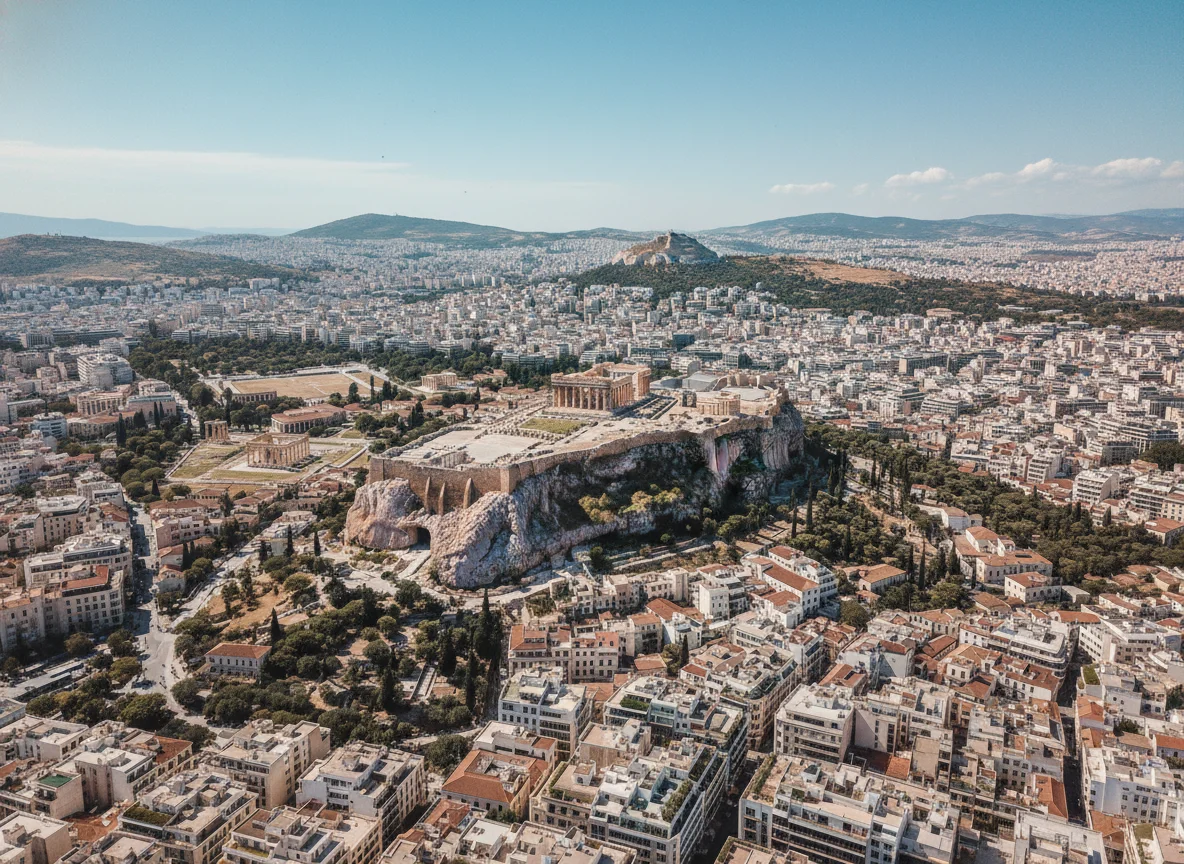
Athens |
Week 26, 2027 28 June – 2 July 2027 |
5 Days | Onsite | €7,500 | |

|
Tashkent |
Week 26, 2027 4 – 8 July 2027 |
5 Days | Onsite | €8,000 | |

|
Nairobi |
Week 27, 2027 11 – 15 July 2027 |
5 Days | Onsite | €6,000 | |

|
Cairo |
Week 28, 2027 12 – 16 July 2027 |
5 Days | Onsite | €5,200 | |

|
Prague |
Week 29, 2027 19 – 23 July 2027 |
5 Days | Onsite | €7,500 | |
|
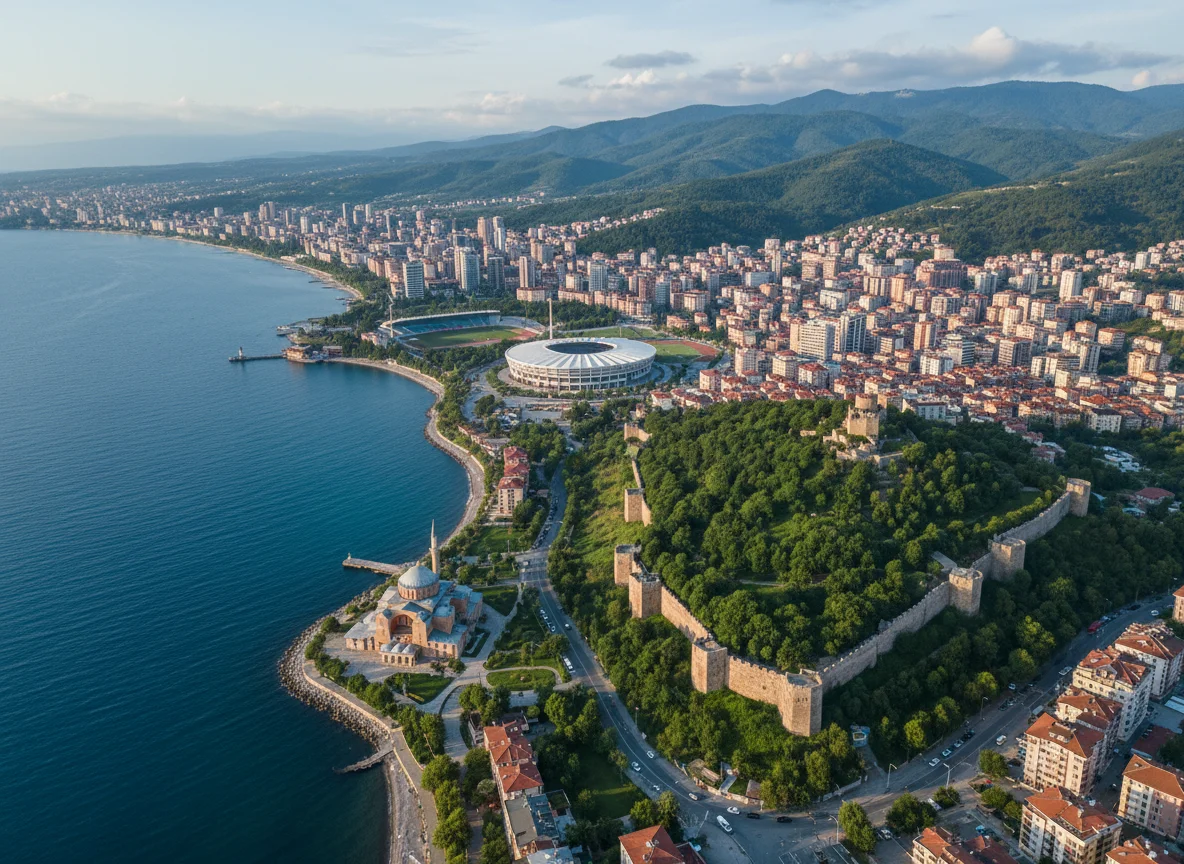
Trabzon |
Week 29, 2027 25 – 29 July 2027 |
5 Days | Onsite | €8,000 | |

|
Baku |
Week 32, 2027 9 – 13 August 2027 |
5 Days | Onsite | €8,000 | |

|
Paris |
Week 33, 2027 16 – 20 August 2027 |
5 Days | Onsite | €6,500 | |

|
Riyadh |
Week 34, 2027 29 August – 2 September 2027 |
5 Days | Onsite | €7,500 | |

|
Munich |
Week 36, 2027 6 – 10 September 2027 |
5 Days | Onsite | €6,500 | |

|
Amman |
Week 38, 2027 26 – 30 September 2027 |
5 Days | Onsite | €6,000 | |

|
Casablanca |
Week 39, 2027 27 September – 1 October 2027 |
5 Days | Onsite | €6,000 | |

|
Singapore |
Week 39, 2027 27 September – 1 October 2027 |
5 Days | Onsite | €6,500 | |
|
Abu Dhabi |
Week 40, 2027 4 – 8 October 2027 |
5 Days | Onsite | €6,500 | |

|
Langkawi |
Week 40, 2027 10 – 14 October 2027 |
5 Days | Onsite | €8,000 |
Frequently asked questions
Are training dates available?
Yes. Available dates and destinations are listed in the course dates section on this page.
How can I register?
Choose an available date on this page and complete the registration form, or send a programme enquiry.
Can I download the course brochure?
Yes. Use the brochure download link provided on this page.
This course by city
- Maintenance Training and Engineering Training Courses in Abu Dhabi
- Maintenance Training and Engineering Training Courses in Accra
- Maintenance Training and Engineering Training Courses in Al Jubail
- Maintenance Training and Engineering Training Courses in Amman
- Maintenance Training and Engineering Training Courses in Amsterdam
- Maintenance Training and Engineering Training Courses in Athens
- Maintenance Training and Engineering Training Courses in Baku
- Maintenance Training and Engineering Training Courses in Bali
- Maintenance Training and Engineering Training Courses in Bangkok
- Maintenance Training and Engineering Training Courses in Barcelona
- Maintenance Training and Engineering Training Courses in Berlin
- Maintenance Training and Engineering Training Courses in Cairo
- Maintenance Training and Engineering Training Courses in Cape town
- Maintenance Training and Engineering Training Courses in Casablanca
- Maintenance Training and Engineering Training Courses in Chicago
- Maintenance Training and Engineering Training Courses in Doha
- Maintenance Training and Engineering Training Courses in Dubai
- Maintenance Training and Engineering Training Courses in Frankfurt
- Maintenance Training and Engineering Training Courses in Geneva
- Maintenance Training and Engineering Training Courses in Istanbul
- Maintenance Training and Engineering Training Courses in Jakarta
- Maintenance Training and Engineering Training Courses in Johannesburg
- Maintenance Training and Engineering Training Courses in Kuala Lumpur
- Maintenance Training and Engineering Training Courses in Kuwait
- Maintenance Training and Engineering Training Courses in Langkawi
- Maintenance Training and Engineering Training Courses in Lisbon
- Maintenance Training and Engineering Training Courses in London
- Maintenance Training and Engineering Training Courses in Madrid
- Maintenance Training and Engineering Training Courses in Manama
- Maintenance Training and Engineering Training Courses in Marbella
- Maintenance Training and Engineering Training Courses in Milan
- Maintenance Training and Engineering Training Courses in Montreux
- Maintenance Training and Engineering Training Courses in Munich
- Maintenance Training and Engineering Training Courses in Muscat
- Maintenance Training and Engineering Training Courses in Nairobi
- Maintenance Training and Engineering Training Courses in New York
- Maintenance Training and Engineering Training Courses in Nice
- Maintenance Training and Engineering Training Courses in Paris
- Maintenance Training and Engineering Training Courses in Phuket
- Maintenance Training and Engineering Training Courses in Porto
- Maintenance Training and Engineering Training Courses in Prague
- Maintenance Training and Engineering Training Courses in Riyadh
- Maintenance Training and Engineering Training Courses in Rome
- Maintenance Training and Engineering Training Courses in San Diego
- Maintenance Training and Engineering Training Courses in Seoul
- Maintenance Training and Engineering Training Courses in Sharm El-Sheikh
- Maintenance Training and Engineering Training Courses in Singapore
- Maintenance Training and Engineering Training Courses in Tashkent
- Maintenance Training and Engineering Training Courses in Tbilisi
- Maintenance Training and Engineering Training Courses in Tokyo
- Maintenance Training and Engineering Training Courses in Toronto
- Maintenance Training and Engineering Training Courses in Trabzon
- Maintenance Training and Engineering Training Courses in Vienna
- Maintenance Training and Engineering Training Courses in Zanzibar
- Maintenance Training and Engineering Training Courses in Zoom