NFPA 1041 Fire Instructor Level I Training Course
This 1-week course has 76 dates from November 2026 to November 2027 in 54 cities and live online. The next date runs 29 November – 3 December 2026 in Johannesburg. Fees per participant run from €4,100 (Cairo) to €14,000 (San Diego) in a classroom, and from €1,500 live online.
- Duration
- 1 Week5 days
- Scheduled dates
- 76
- Classroom cities
- 54Johannesburg, Addis Ababa, Cairo, Montreux and more
- Format
- Classroom and live online
- Fee per participant
- €1,500–€14,000Average €5,750
What does this course cover?
Overview
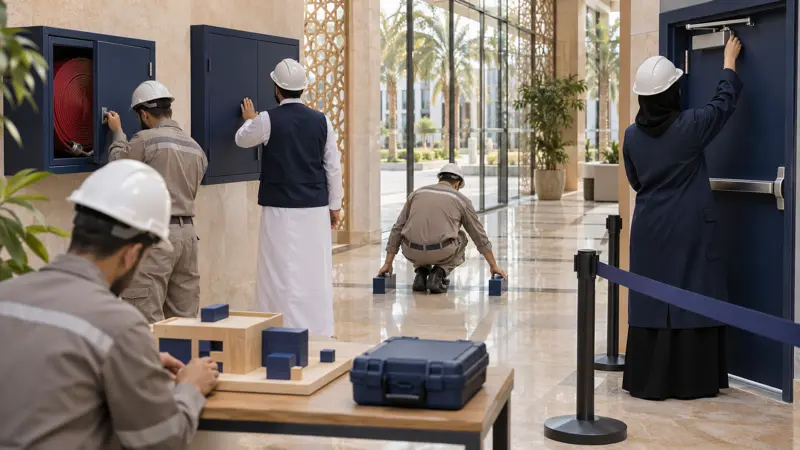
NFPA 1041 Fire Instructor Level I Training Course is a one-week course for emergency response officers, safety trainers, and industrial fire team leaders who need an Instructional Delivery Portfolio. Inconsistent training delivery, subjective skill testing, and unmanaged drill hazards expose organizations to operational accidents and audit findings. The course equips instructors to adapt standard lesson plans, manage training environments, and run objective evaluations using NFPA 1041 Chapter 4 competencies and the four-step instructional method. Agile Leaders Training Center delivers this course on fire and emergency services instruction.
Who Should Attend
- Emergency response officers responsible for conducting company-level fire and rescue drills
- Occupational safety specialists responsible for delivering workplace fire prevention modules
- Industrial fire brigade leaders responsible for qualifying emergency response personnel
- Training coordinators responsible for managing training records and safety compliance audits
- Facility safety engineers responsible for designing evacuation exercises and practical demonstrations
The course assumes participants have practical experience in fire safety or emergency response, and it leaves out initial recruit firefighting skills, advanced curriculum design, and live fire evolution supervision under NFPA 1403.
Departments and Industries
The course supports emergency readiness and safety instruction across multiple operational environments.
- Emergency response and plant fire brigades
- Health, safety, and environment departments
- Operational workforce training divisions
- Petrochemical refining and hazardous processing plants
- Airport ground operations and logistics hubs
- Commercial facility management operations
Learning Objectives
By the end of this course, participants will be able to:
- Apply adult learning principles and the four-step instructional method to technical drills
- Adapt approved lesson plans to match facility conditions and resource constraints
- Evaluate participant performance using standardized criterion-referenced skill sheets
- Diagnose classroom, audio-visual, and training ground environmental hazards
- Prioritize safety controls during psychomotor skill demonstrations and practical exercises
- Build an administrative training record package that fulfills organizational documentation standards
Course Agenda
Day 1: Adult Learning Principles and Instructor Responsibilities
- NFPA 1041 Chapter 4 Job Performance Requirements
- Adult Learning Characteristics and Motivation Drivers
- Instructor Legal Roles and Safety Liabilities
- Four-Step Instructional Delivery Method
- Classroom Learning Environment Setup Checklist
Day 2: Lesson Plan Adaptation and Instructional Resources
- IFSTA Fire and Emergency Services Instructor Curriculum Review
- Learning Objectives and Domain Taxonomy Analysis
- Lesson Plan Adjustment and Resource Requisition Form
- Audiovisual Technology and Training Aid Integration
- Multilingual Workforce Drill Communication Methods
Day 3: Delivery Techniques and Classroom Management
- Classroom Presentation Delivery Rubric
- Interactive Questioning and Student Engagement Techniques
- Instructional Adjustment for Environmental Distractions
- Psychomotor Skill Demonstration Protocol
- Training Safety Plan and Emergency Action Guide
Day 4: Performance Evaluation and Record Administration
- Criterion-Referenced Assessment Scoring Tool
- Formative and Summative Practical Skill Sheets
- Objective Written Test Administration Guidelines
- Post-Exercise Feedback and Performance Coaching Model
- Training Documentation and Audit Record Matrix
Day 5: Practical Instructional Delivery Practice
- Suggested Exercise: Deliver a Classroom Presentation Using Adapted Lesson Plans
- Suggested Exercise: Conduct a Psychomotor Skill Drill Using Objective Evaluation Tools
- Suggested Exercise: Administer a Practical Skill Sheet and Student Feedback Session
- Suggested Exercise: Assemble Training Logistics and Environmental Safety Logs
- Capstone Exercise: Finalize the Instructional Delivery Portfolio
Practical Exercises
The course uses structured practice sessions to turn theoretical teaching principles into repeatable instructional habits.
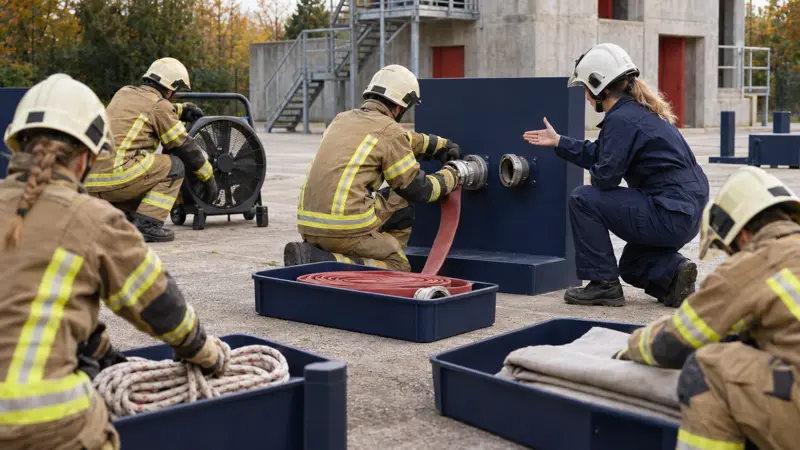
- Suggested activity: adapt a standard emergency drill lesson plan to match industrial facility constraints
- Suggested activity: present a fifteen-minute safety topic utilizing the four-step delivery process
- Suggested activity: evaluate peer performance using a standardized criterion-referenced practical skill sheet
- Suggested activity: complete an end-of-course training report and attendance record file
FAQs
Who suits the NFPA 1041 Fire Instructor Level I Training Course and what does it assume?
The course suits fire officers, safety trainers, and industrial brigade leaders preparing to deliver emergency training. It assumes baseline emergency response knowledge and workplace safety familiarity, leaving out basic recruit skills, live burn command, and advanced curriculum design.
How does the NFPA 1041 Fire Instructor Level I Training Course differ from higher-level instructor courses?
Level I concentrates on delivering existing lesson plans, conducting skill demonstrations, and scoring standardized tests. Level II and Level III address program development, budget management, facility design, instructor supervision, and overall training division administration.
What is the four-step instructional method emphasized in the NFPA 1041 Fire Instructor Level I Training Course?
The four-step method consists of Preparation, Presentation, Application, and Evaluation. It provides a structured framework that ensures learners grasp theoretical concepts before demonstrating hands-on competencies during practical emergency response drills.
How does the NFPA 1041 Fire Instructor Level I Training Course support objective student evaluations?
The course teaches criterion-referenced assessment techniques using structured practical skill sheets. Instructors evaluate learner performance against measurable criteria rather than personal impressions, ensuring defensible, consistent scoring across all drills.
Conclusion
Participants take back a complete Instructional Delivery Portfolio containing adapted lesson plans, safety checklists, evaluation rubrics, and training administration records. This toolkit establishes a defensible, standardized framework for conducting technical presentations and hands-on skill sessions. It eliminates subjective evaluations and reinforces workplace safety readiness across facility emergency teams.
credits: 5 credit per day
Course Mode: full-time
Provider: Agile Leaders Training Center
-
Events for this Course
-
Johannesburg 29 November – 3 December 2026
-
Addis Ababa 30 November – 4 December 2026
-
Cairo 7 – 11 December 2026
-
Montreux 7 – 11 December 2026
-
Abu Dhabi 14 – 18 December 2026
-
Tbilisi 21 – 25 December 2026
-
Berlin 21 – 25 December 2026
-
Rome 28 December 2026 – 1 January 2027
-
Madrid 4 – 8 January 2027
-
Munich 11 – 15 January 2027
-
Paris 18 – 22 January 2027
-
Nairobi 24 – 28 January 2027
-
Abu Dhabi 25 – 29 January 2027
-
Phuket 31 January – 4 February 2027
-
Barcelona 8 – 12 February 2027
-
Chicago 14 – 18 February 2027
-
Toronto 14 – 18 February 2027
-
London 15 – 19 February 2027
-
Langkawi 21 – 25 February 2027
-
Muscat 28 February – 4 March 2027
-
Bali 7 – 11 March 2027
-
Dubai 8 – 12 March 2027
-
Amsterdam 15 – 19 March 2027
-
Seoul 22 – 26 March 2027
-
Trabzon 28 March – 1 April 2027
-
Kuala Lumpur 29 March – 2 April 2027
-
Athens 5 – 9 April 2027
-
Casablanca 12 – 16 April 2027
-
Barcelona 12 – 16 April 2027
-
Manama 18 – 22 April 2027
-
Cape town 25 – 29 April 2027
-
Dubai 3 – 7 May 2027
-
Abu Dhabi 3 – 7 May 2027
-
Bangkok 9 – 13 May 2027
-
London 10 – 14 May 2027
-
Lisbon 10 – 14 May 2027
-
Prague 17 – 21 May 2027
-
San Diego 24 – 28 May 2027
-
Marbella 30 May – 3 June 2027
-
Jakarta 7 – 11 June 2027
-
Amsterdam 14 – 18 June 2027
-
Amman 20 – 24 June 2027
-
Cairo 21 – 25 June 2027
-
Zanzibar 27 June – 1 July 2027
-
Tashkent 4 – 8 July 2027
-
Rome 12 – 16 July 2027
-
Baku 19 – 23 July 2027
-
Dubai 26 – 30 July 2027
-
Milan 26 – 30 July 2027
-
Nice 2 – 6 August 2027
-
Zoom 9 – 13 August 2027
-
Lagos 15 – 19 August 2027
-
Istanbul 16 – 20 August 2027
-
Tokyo 16 – 20 August 2027
-
Manama 22 – 26 August 2027
-
Porto 23 – 27 August 2027
-
Kuwait 29 August – 2 September 2027
-
Geneva 5 – 9 September 2027
-
Kuala Lumpur 6 – 10 September 2027
-
Accra 13 – 17 September 2027
-
London 20 – 24 September 2027
-
Amsterdam 20 – 24 September 2027
-
Abu Dhabi 27 September – 1 October 2027
-
Vienna 4 – 8 October 2027
-
Doha 10 – 14 October 2027
-
Sharm El-Sheikh 11 – 15 October 2027
-
Dubai 18 – 22 October 2027
-
Paris 18 – 22 October 2027
-
Singapore 25 – 29 October 2027
-
Milan 1 – 5 November 2027
-
Frankfurt 1 – 5 November 2027
-
Istanbul 8 – 12 November 2027
-
London 15 – 19 November 2027
-
Madrid 15 – 19 November 2027
-
New York 22 – 26 November 2027
-
Vienna 29 November – 3 December 2027
When and where does this course run?
| Image | Location | Dates | Duration | Mode | Price | Actions |
|---|---|---|---|---|---|---|

|
Johannesburg |
Week 48, 2026 29 November – 3 December 2026 |
1 Week | Onsite | €4,500 | |

|
Addis Ababa |
Week 49, 2026 30 November – 4 December 2026 |
1 Week | Onsite | €4,500 | |

|
Cairo |
Week 50, 2026 7 – 11 December 2026 |
1 Week | Onsite | €4,100 | |

|
Montreux |
Week 50, 2026 7 – 11 December 2026 |
1 Week | Onsite | €7,500 | |

|
Abu Dhabi |
Week 51, 2026 14 – 18 December 2026 |
1 Week | Onsite | €4,700 | |

|
Tbilisi |
Week 52, 2026 21 – 25 December 2026 |
1 Week | Onsite | €5,000 | |

|
Berlin |
Week 52, 2026 21 – 25 December 2026 |
1 Week | Onsite | €5,700 | |

|
Rome |
Week 53, 2026 28 December 2026 – 1 January 2027 |
1 Week | Onsite | €5,700 | |

|
Madrid |
Week 01, 2027 4 – 8 January 2027 |
1 Week | Onsite | €5,700 | |

|
Munich |
Week 02, 2027 11 – 15 January 2027 |
1 Week | Onsite | €5,700 | |

|
Paris |
Week 03, 2027 18 – 22 January 2027 |
1 Week | Onsite | €5,700 | |

|
Nairobi |
Week 03, 2027 24 – 28 January 2027 |
1 Week | Onsite | €4,500 | |
|
|
Abu Dhabi |
Week 04, 2027 25 – 29 January 2027 |
1 Week | Onsite | €4,700 | |

|
Phuket |
Week 04, 2027 31 January – 4 February 2027 |
1 Week | Onsite | €6,000 | |

|
Barcelona |
Week 06, 2027 8 – 12 February 2027 |
1 Week | Onsite | €5,700 | |

|
Chicago |
Week 06, 2027 14 – 18 February 2027 |
1 Week | Onsite | €12,000 | |

|
Toronto |
Week 06, 2027 14 – 18 February 2027 |
1 Week | Onsite | €12,000 | |

|
London |
Week 07, 2027 15 – 19 February 2027 |
1 Week | Onsite | €5,700 | |

|
Langkawi |
Week 07, 2027 21 – 25 February 2027 |
1 Week | Onsite | €6,000 | |

|
Muscat |
Week 08, 2027 28 February – 4 March 2027 |
1 Week | Onsite | €5,700 |
Frequently asked questions
When does this course next run?
The next date runs 29 November – 3 December 2026 in Johannesburg. It is one of 76 dates scheduled up to November 2027.
Where is this course held?
In a classroom in 54 cities: Johannesburg, Addis Ababa, Cairo, Montreux, Abu Dhabi, Tbilisi, Berlin, Rome, and more. It is also scheduled as live online sessions.
Can I attend this course online?
Yes. One date is scheduled as a live online session: 9 – 13 August 2027, from €1,500 per participant.
How long is the course?
1 Week. Each date shows its start and end dates.
How much does the course cost?
Fees per participant run from €4,100 (Cairo) to €14,000 (San Diego) in a classroom, and from €1,500 live online. Each date shows its own fee.
What does this course cover?
OverviewNFPA 1041 Fire Instructor Level I Training Course is a one-week course for emergency response officers, safety trainers, and industrial fire team leaders who need an Instructional Delivery Portfolio. Inconsistent training delivery, subjective skill testing, and unmanaged drill hazards expose organizations to operational accidents and audit finding…
Are training dates available?
Yes. Available dates and destinations are listed in the course dates section on this page.
How can I register?
Choose an available date on this page and complete the registration form, or send a programme enquiry.
Can I download the course brochure?
Yes. Use the brochure download link provided on this page.
Can this course be run for our team?
Yes. Tell us the number of participants and your preferred dates and city through our training request form.
This course by city
- Occupational Health, Safety and Security Training Courses in Abu Dhabi
- Occupational Health, Safety and Security Training Courses in Accra
- Occupational Health, Safety and Security Training Courses in Addis Ababa
- Occupational Health, Safety and Security Training Courses in Amman
- Occupational Health, Safety and Security Training Courses in Amsterdam
- Occupational Health, Safety and Security Training Courses in Athens
- Occupational Health, Safety and Security Training Courses in Baku
- Occupational Health, Safety and Security Training Courses in Bali
- Occupational Health, Safety and Security Training Courses in Bangkok
- Occupational Health, Safety and Security Training Courses in Barcelona
- Occupational Health, Safety and Security Training Courses in Berlin
- Occupational Health, Safety and Security Training Courses in Cairo
- Occupational Health, Safety and Security Training Courses in Cape town
- Occupational Health, Safety and Security Training Courses in Casablanca
- Occupational Health, Safety and Security Training Courses in Chicago
- Occupational Health, Safety and Security Training Courses in Doha
- Occupational Health, Safety and Security Training Courses in Dubai
- Occupational Health, Safety and Security Training Courses in Frankfurt
- Occupational Health, Safety and Security Training Courses in Geneva
- Occupational Health, Safety and Security Training Courses in Istanbul
- Occupational Health, Safety and Security Training Courses in Jakarta
- Occupational Health, Safety and Security Training Courses in Johannesburg
- Occupational Health, Safety and Security Training Courses in Kuala Lumpur
- Occupational Health, Safety and Security Training Courses in Kuwait
- Occupational Health, Safety and Security Training Courses in Lagos
- Occupational Health, Safety and Security Training Courses in Langkawi
- Occupational Health, Safety and Security Training Courses in Lisbon
- Occupational Health, Safety and Security Training Courses in London
- Occupational Health, Safety and Security Training Courses in Madrid
- Occupational Health, Safety and Security Training Courses in Manama
- Occupational Health, Safety and Security Training Courses in Marbella
- Occupational Health, Safety and Security Training Courses in Milan
- Occupational Health, Safety and Security Training Courses in Montreux
- Occupational Health, Safety and Security Training Courses in Munich
- Occupational Health, Safety and Security Training Courses in Muscat
- Occupational Health, Safety and Security Training Courses in Nairobi
- Occupational Health, Safety and Security Training Courses in New York
- Occupational Health, Safety and Security Training Courses in Nice
- Occupational Health, Safety and Security Training Courses in Paris
- Occupational Health, Safety and Security Training Courses in Phuket
- Occupational Health, Safety and Security Training Courses in Porto
- Occupational Health, Safety and Security Training Courses in Prague
- Occupational Health, Safety and Security Training Courses in Rome
- Occupational Health, Safety and Security Training Courses in San Diego
- Occupational Health, Safety and Security Training Courses in Seoul
- Occupational Health, Safety and Security Training Courses in Sharm El-Sheikh
- Occupational Health, Safety and Security Training Courses in Singapore
- Occupational Health, Safety and Security Training Courses in Tashkent
- Occupational Health, Safety and Security Training Courses in Tbilisi
- Occupational Health, Safety and Security Training Courses in Tokyo
- Occupational Health, Safety and Security Training Courses in Toronto
- Occupational Health, Safety and Security Training Courses in Trabzon
- Occupational Health, Safety and Security Training Courses in Vienna
- Occupational Health, Safety and Security Training Courses in Zanzibar
- Occupational Health, Safety and Security Training Courses in Zoom
More ways to train
- Every date of this courseAll cities and months, with fees
- Occupational Health, Safety and Security Training CoursesEvery course in this subject
- Live online coursesTrain from wherever you are
- Training citiesCourses in each city
- All upcoming datesThe course calendar by month
- Training for your teamTell us the course, the number of participants and your dates
- Contact usAsk us about this course