NFPA 1041 Fire Instructor Level I Training Course

Course Details
-
# 1908_242045
-
15 – 19 March 2027 19.Mar.2027
-
Amsterdam
-
5700 €
Overview
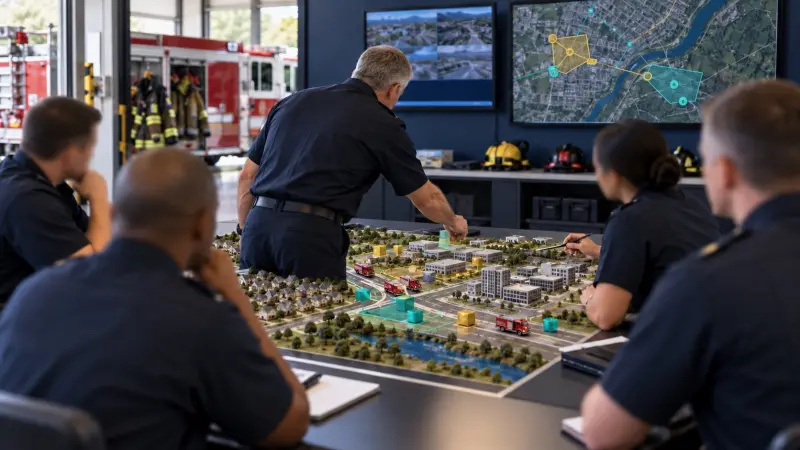
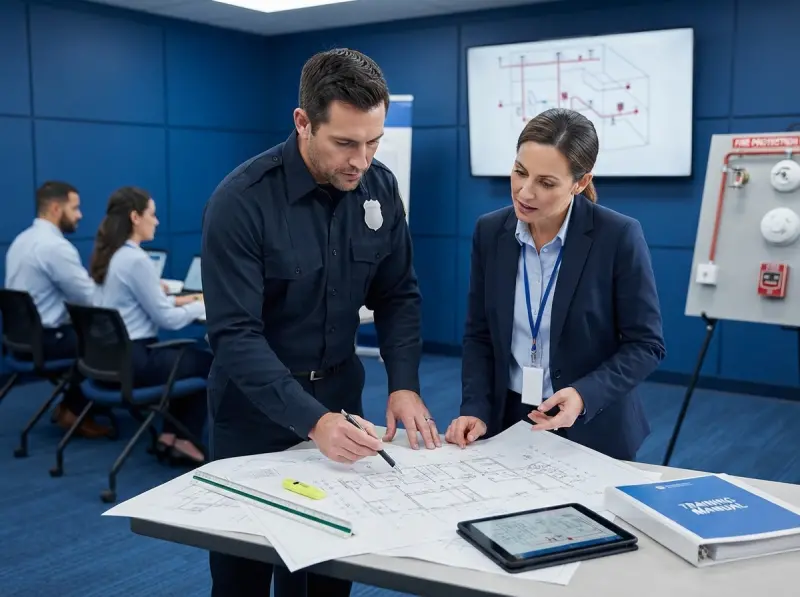
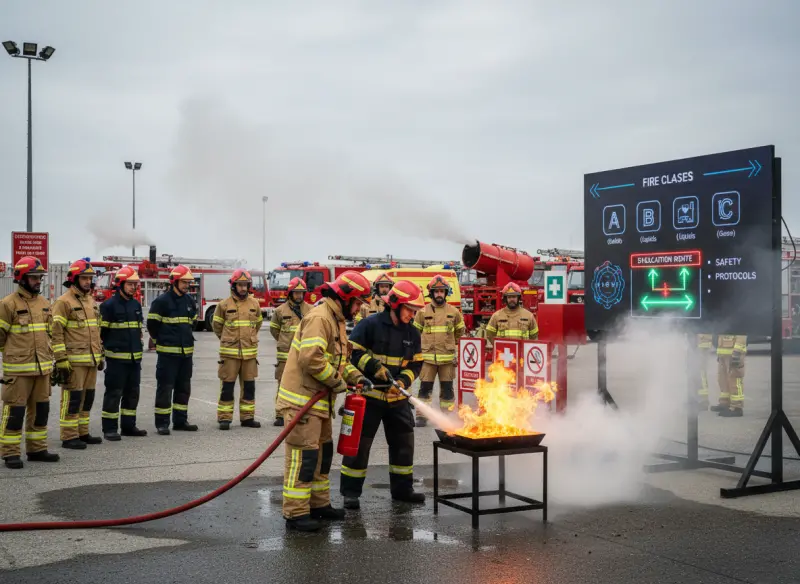
NFPA 1041 Fire Instructor Level I Training Course is a one-week course for emergency response officers, safety trainers, and industrial fire team leaders who need an Instructional Delivery Portfolio. Inconsistent training delivery, subjective skill testing, and unmanaged drill hazards expose organizations to operational accidents and audit findings. The course equips instructors to adapt standard lesson plans, manage training environments, and run objective evaluations using NFPA 1041 Chapter 4 competencies and the four-step instructional method. Agile Leaders Training Center delivers this course on fire and emergency services instruction.
Who Should Attend
- Emergency response officers responsible for conducting company-level fire and rescue drills
- Occupational safety specialists responsible for delivering workplace fire prevention modules
- Industrial fire brigade leaders responsible for qualifying emergency response personnel
- Training coordinators responsible for managing training records and safety compliance audits
- Facility safety engineers responsible for designing evacuation exercises and practical demonstrations
The course assumes participants have practical experience in fire safety or emergency response, and it leaves out initial recruit firefighting skills, advanced curriculum design, and live fire evolution supervision under NFPA 1403.
Departments and Industries
The course supports emergency readiness and safety instruction across multiple operational environments.
- Emergency response and plant fire brigades
- Health, safety, and environment departments
- Operational workforce training divisions
- Petrochemical refining and hazardous processing plants
- Airport ground operations and logistics hubs
- Commercial facility management operations
Learning Objectives
By the end of this course, participants will be able to:
- Apply adult learning principles and the four-step instructional method to technical drills
- Adapt approved lesson plans to match facility conditions and resource constraints
- Evaluate participant performance using standardized criterion-referenced skill sheets
- Diagnose classroom, audio-visual, and training ground environmental hazards
- Prioritize safety controls during psychomotor skill demonstrations and practical exercises
- Build an administrative training record package that fulfills organizational documentation standards
Course Agenda
Day 1: Adult Learning Principles and Instructor Responsibilities
- NFPA 1041 Chapter 4 Job Performance Requirements
- Adult Learning Characteristics and Motivation Drivers
- Instructor Legal Roles and Safety Liabilities
- Four-Step Instructional Delivery Method
- Classroom Learning Environment Setup Checklist
Day 2: Lesson Plan Adaptation and Instructional Resources
- IFSTA Fire and Emergency Services Instructor Curriculum Review
- Learning Objectives and Domain Taxonomy Analysis
- Lesson Plan Adjustment and Resource Requisition Form
- Audiovisual Technology and Training Aid Integration
- Multilingual Workforce Drill Communication Methods
Day 3: Delivery Techniques and Classroom Management
- Classroom Presentation Delivery Rubric
- Interactive Questioning and Student Engagement Techniques
- Instructional Adjustment for Environmental Distractions
- Psychomotor Skill Demonstration Protocol
- Training Safety Plan and Emergency Action Guide
Day 4: Performance Evaluation and Record Administration
- Criterion-Referenced Assessment Scoring Tool
- Formative and Summative Practical Skill Sheets
- Objective Written Test Administration Guidelines
- Post-Exercise Feedback and Performance Coaching Model
- Training Documentation and Audit Record Matrix
Day 5: Practical Instructional Delivery Practice
- Suggested Exercise: Deliver a Classroom Presentation Using Adapted Lesson Plans
- Suggested Exercise: Conduct a Psychomotor Skill Drill Using Objective Evaluation Tools
- Suggested Exercise: Administer a Practical Skill Sheet and Student Feedback Session
- Suggested Exercise: Assemble Training Logistics and Environmental Safety Logs
- Capstone Exercise: Finalize the Instructional Delivery Portfolio
Practical Exercises
The course uses structured practice sessions to turn theoretical teaching principles into repeatable instructional habits.
- Suggested activity: adapt a standard emergency drill lesson plan to match industrial facility constraints
- Suggested activity: present a fifteen-minute safety topic utilizing the four-step delivery process
- Suggested activity: evaluate peer performance using a standardized criterion-referenced practical skill sheet
- Suggested activity: complete an end-of-course training report and attendance record file
FAQs
Who suits the NFPA 1041 Fire Instructor Level I Training Course and what does it assume?
The course suits fire officers, safety trainers, and industrial brigade leaders preparing to deliver emergency training. It assumes baseline emergency response knowledge and workplace safety familiarity, leaving out basic recruit skills, live burn command, and advanced curriculum design.
How does the NFPA 1041 Fire Instructor Level I Training Course differ from higher-level instructor courses?
Level I concentrates on delivering existing lesson plans, conducting skill demonstrations, and scoring standardized tests. Level II and Level III address program development, budget management, facility design, instructor supervision, and overall training division administration.
What is the four-step instructional method emphasized in the NFPA 1041 Fire Instructor Level I Training Course?
The four-step method consists of Preparation, Presentation, Application, and Evaluation. It provides a structured framework that ensures learners grasp theoretical concepts before demonstrating hands-on competencies during practical emergency response drills.
How does the NFPA 1041 Fire Instructor Level I Training Course support objective student evaluations?
The course teaches criterion-referenced assessment techniques using structured practical skill sheets. Instructors evaluate learner performance against measurable criteria rather than personal impressions, ensuring defensible, consistent scoring across all drills.
Conclusion
Participants take back a complete Instructional Delivery Portfolio containing adapted lesson plans, safety checklists, evaluation rubrics, and training administration records. This toolkit establishes a defensible, standardized framework for conducting technical presentations and hands-on skill sessions. It eliminates subjective evaluations and reinforces workplace safety readiness across facility emergency teams.
Occupational Health, Safety and Security Training Courses
NFPA 1041 Fire Instructor Level I Training Course (1908_242045)
Course Details
# 1908_242045
15 – 19 March 2027
Amsterdam
Fees : 5700 €