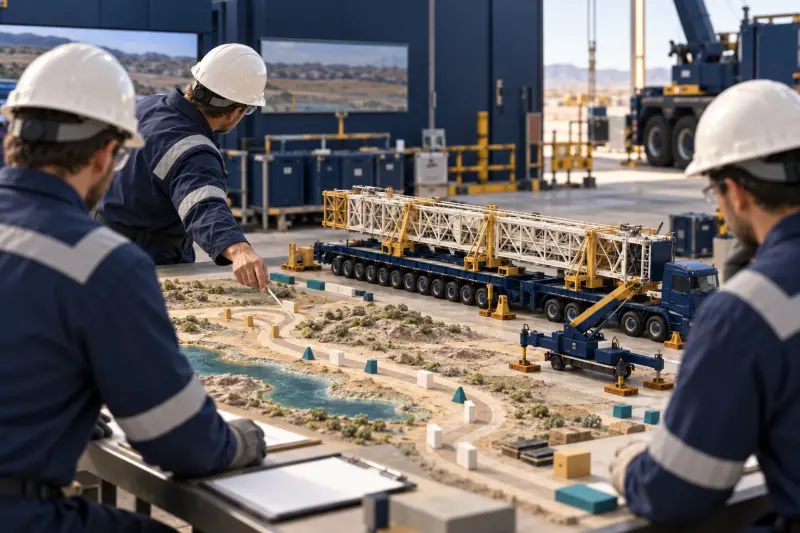
Offshore and Marine Drilling Operations Course

At a glance
- Duration
- 1 Week
- Format
- Classroom
- Cities
- Paris, Geneva, Tashkent, Addis Ababa, Nairobi, Lagos and more
- Next session
- 9 – 13 November 2026, Paris
- Average fee
- 7,500 €
Overview
Advanced Offshore and Marine Drilling Operations Training Course is a one-week course for offshore drilling, rig, subsea, marine-operations, wellsite, and assurance teams who leave with a Marine Drilling Operations Assurance File. Participants connect mobile offshore drilling unit selection, drilling and marine systems, station keeping, riser behavior, subsea well-control equipment, weather limits, logistics, and emergency interfaces. The course uses system maps, calculation sheets, operating envelopes, readiness checks, and decision records. Agile Leaders Training Center presents offshore and marine drilling operations.
Who Should Attend
- Offshore drilling functions responsible for well execution, rig interfaces, and operating limits
- Rig-management functions responsible for unit capability, readiness, and marine coordination
- Subsea functions responsible for wellheads, risers, blowout preventers, and control systems
- Marine-operations functions responsible for station keeping, ballast, weather, and vessel interfaces
- Wellsite-supervision functions responsible for permits, simultaneous operations, deviations, and response
- Technical-assurance functions responsible for selection reviews, barrier evidence, and acceptance records
The course assumes participants interpret drilling programs, equipment schematics, metocean data, and operational risk controls at work, and it leaves out introductory drilling, detailed casing, fluid, and BHA design, accredited well-control instruction, rig inspection certification, and vessel-handling competence.
Departments and Industries
The course supports departments and industries that select, operate, or assure offshore drilling units and marine interfaces.
- Offshore oil and gas exploration and well construction
- Geothermal and carbon-storage offshore well development
- Drilling contractors and mobile offshore drilling unit operators
- Subsea equipment, marine engineering, and offshore logistics services
- Technical assurance, well integrity, and operational risk functions
Learning Objectives
By the end of this course, participants will be able to:
- Compare jack-up, semisubmersible, and drillship operating capabilities
- Build drilling, marine, power, and utility system-interface maps
- Analyze mooring and dynamic-positioning operating envelopes
- Evaluate riser, heave-compensation, and subsea well-control limits
- Use metocean, logistics, readiness, and simultaneous-operations controls
- Diagnose deviations and prioritize disconnect or recovery actions
Course Agenda
Day 1: Select the Offshore Drilling Unit
- Well, Water-Depth, Metocean, and Campaign Requirement Register
- Jack-Up, Semisubmersible, and Drillship Capability Matrix
- Seabed, Air-Gap, Variable-Load, and Deck-Space Screening Sheet
- IMO MODU Code Unit, Stability, and Marine-Safety Review Map
- Unit Selection, Constraint, and Technical-Assurance Decision Record
Day 2: Map Rig and Marine Systems
- Hoisting, Rotary, Circulation, and Pipe-Handling System Map
- Power Generation, Distribution, Redundancy, and Blackout-Recovery Matrix
- Ballast, Bilge, Deck, Crane, and Marine-Utility Interface Register
- Mud, Cement, Bulk, Fuel, Water, and Waste Logistics Flow Sheet
- Drilling Control, Alarm, Communication, and Permit Interface Diagram
Day 3: Control Station Keeping and Riser Behavior
- IMCA M103 Dynamic-Positioning Capability and Operating Guidance Review
- Mooring Pattern, Anchor, Line-Tension, and Offset Assessment
- Wind, Wave, Current, Heading, and Watch-Circle Operating Envelope
- API Spec 16F Marine Drilling Riser Configuration and Load Map
- Riser Tension, Stroke, Heave-Compensation, and Flex-Joint Limit Sheet
Day 4: Integrate Subsea and Offshore Execution
- Subsea Wellhead, Conductor, and Landing-Sequence Readiness Plan
- API Spec 16A Subsea BOP Stack and Drill-Through Equipment Matrix
- API Spec 16D BOP Control, Accumulator, and Response-Function Check
- Choke, Kill, Diverter, Riser-Margin, and Emergency-Disconnect Logic
- Weather Window, Supply Vessel, Helicopter, SIMOPS, and Contingency Board
Day 5: Practice Marine Drilling Decisions
- Suggested Exercise: Select a MODU for a Metocean and Well Scenario
- Suggested Exercise: Close a DP, Mooring, and Watch-Circle Envelope
- Suggested Exercise: Check Riser, Heave, and Subsea BOP Interfaces
- Suggested Exercise: Diagnose a Weather, Power, or Position-Loss Deviation
- Capstone Exercise: Complete the Marine Drilling Operations Assurance File
Practical Exercises
The course uses suggested activities to turn unit, marine, subsea, and operational evidence into traceable offshore drilling decisions.
- Suggested activity: compare unit types against water depth, seabed, metocean, payload, deck, well, schedule, and logistics constraints.
- Suggested activity: map drilling, power, ballast, marine utility, control, and communication dependencies and identify single-interface vulnerabilities.
- Suggested activity: calculate station-keeping, riser, tensioner, heave, offset, weather, and disconnect operating limits.
- Suggested activity: reconcile alarms, position, power, weather, well status, and vessel movements to rank continuation, suspension, or disconnect actions.
FAQs
Who suits offshore and marine drilling operations training, and what does it assume?
Offshore and marine drilling operations training suits drilling engineers, rig leaders, subsea and marine engineers, wellsite supervisors, logistics teams, and assurance reviewers. It assumes working ability with drilling programs, system schematics, metocean data, and operational risk controls.
How does marine drilling operations training differ from drilling-rig inspection training?
Marine drilling operations training integrates unit selection, system interfaces, station keeping, riser behavior, subsea well-control equipment, weather, logistics, and operating decisions. Rig inspection training centers on equipment condition, inspection methods, defect recognition, and acceptance evidence.
How is a mobile offshore drilling unit selected?
Mobile offshore drilling unit selection compares water depth, seabed, metocean conditions, well design, payload, deck space, variable load, station keeping, riser needs, logistics, schedule, emergency capability, and assurance requirements.
What defines a marine drilling operating envelope?
A marine drilling operating envelope combines wind, wave, current, heading, position offset, mooring or dynamic-positioning capability, riser angle and stroke, tensioner limits, power redundancy, vessel activity, and well status.
When should an offshore drilling team prepare to disconnect?
Disconnect readiness follows defined position, power, weather, riser, well-control, equipment, and response-time triggers. Teams verify barriers, control functions, sequence logic, communications, vessel clearance, recovery conditions, and decision authority before limits are exceeded.
Conclusion
Participants take back a Marine Drilling Operations Assurance File linking unit selection, system interfaces, station keeping, riser limits, subsea controls, metocean criteria, logistics, readiness, and response decisions. It changes separate technical and marine records into one traceable operating basis. The file supports unit selection, execution readiness, deviation control, and post-operation learning.
credits: 5 credit per day
Course Mode: full-time
Provider: Agile Leaders Training Center
-
Events for this Course
-
Paris 9 – 13 November 2026
-
Geneva 15 – 19 November 2026
-
Tashkent 15 – 19 November 2026
-
Addis Ababa 23 – 27 November 2026
-
Nairobi 29 November – 3 December 2026
-
Lagos 29 November – 3 December 2026
-
Jakarta 14 – 18 December 2026
-
Chicago 3 – 7 January 2027
-
Vienna 11 – 15 January 2027
-
Rome 25 – 29 January 2027
-
London 15 – 19 February 2027
-
Munich 15 – 19 February 2027
-
Accra 21 – 25 February 2027
-
Singapore 22 – 26 February 2027
-
Johannesburg 7 – 11 March 2027
-
Milan 15 – 19 March 2027
-
Abu Dhabi 15 – 19 March 2027
-
Manama 4 – 8 April 2027
-
Nice 5 – 9 April 2027
-
Baku 19 – 23 April 2027
-
Madrid 26 – 30 April 2027
-
Lisbon 26 – 30 April 2027
-
Dubai 3 – 7 May 2027
-
Athens 3 – 7 May 2027
-
Trabzon 9 – 13 May 2027
-
Zoom 10 – 14 May 2027
-
Cape town 16 – 20 May 2027
-
Cairo 17 – 21 May 2027
-
Istanbul 31 May – 4 June 2027
-
New York 31 May – 4 June 2027
-
Amsterdam 7 – 11 June 2027
-
Porto 7 – 11 June 2027
-
Tokyo 14 – 18 June 2027
-
Langkawi 20 – 24 June 2027
-
Zanzibar 27 June – 1 July 2027
-
Barcelona 5 – 9 July 2027
-
Abu Dhabi 12 – 16 July 2027
-
Kuala Lumpur 19 – 23 July 2027
-
Bangkok 25 – 29 July 2027
-
Muscat 25 – 29 July 2027
-
London 2 – 6 August 2027
-
Sharm El-Sheikh 16 – 20 August 2027
-
Frankfurt 16 – 20 August 2027
-
Tbilisi 23 – 27 August 2027
-
San Diego 30 August – 3 September 2027
-
Phuket 5 – 9 September 2027
-
Berlin 6 – 10 September 2027
-
Casablanca 13 – 17 September 2027
-
Marbella 19 – 23 September 2027
-
Dubai 20 – 24 September 2027
-
Toronto 26 – 30 September 2027
-
Amman 3 – 7 October 2027
-
Montreux 4 – 8 October 2027
-
Doha 10 – 14 October 2027
-
Prague 18 – 22 October 2027
-
Kuwait 24 – 28 October 2027
-
Bali 7 – 11 November 2027
-
Seoul 8 – 12 November 2027
| Image | Location | Dates | Duration | Mode | Price | Actions |
|---|---|---|---|---|---|---|

|
Madrid |
Week 17, 2027 26 – 30 April 2027 |
1 Week | Onsite | €6,500 | |

|
Lisbon |
Week 17, 2027 26 – 30 April 2027 |
1 Week | Onsite | €6,500 | |

|
Dubai |
Week 18, 2027 3 – 7 May 2027 |
1 Week | Onsite | €6,500 | |

|
Athens |
Week 18, 2027 3 – 7 May 2027 |
1 Week | Onsite | €7,500 | |

|
Trabzon |
Week 18, 2027 9 – 13 May 2027 |
1 Week | Onsite | €8,000 | |

|
Zoom |
Week 19, 2027 10 – 14 May 2027 |
1 Week | Online | €3,000 | |

|
Cape town |
Week 19, 2027 16 – 20 May 2027 |
1 Week | Onsite | €6,000 | |

|
Cairo |
Week 20, 2027 17 – 21 May 2027 |
1 Week | Onsite | €5,200 | |

|
Istanbul |
Week 22, 2027 31 May – 4 June 2027 |
1 Week | Onsite | €6,000 | |

|
New York |
Week 22, 2027 31 May – 4 June 2027 |
1 Week | Onsite | €16,000 | |

|
Amsterdam |
Week 23, 2027 7 – 11 June 2027 |
1 Week | Onsite | €6,500 | |

|
Porto |
Week 23, 2027 7 – 11 June 2027 |
1 Week | Onsite | €6,500 | |

|
Tokyo |
Week 24, 2027 14 – 18 June 2027 |
1 Week | Onsite | €12,000 | |

|
Langkawi |
Week 24, 2027 20 – 24 June 2027 |
1 Week | Onsite | €8,000 | |

|
Zanzibar |
Week 25, 2027 27 June – 1 July 2027 |
1 Week | Onsite | €6,000 | |

|
Barcelona |
Week 27, 2027 5 – 9 July 2027 |
1 Week | Onsite | €6,500 | |

|
Abu Dhabi |
Week 28, 2027 12 – 16 July 2027 |
1 Week | Onsite | €6,500 | |

|
Kuala Lumpur |
Week 29, 2027 19 – 23 July 2027 |
1 Week | Onsite | €6,500 | |

|
Bangkok |
Week 29, 2027 25 – 29 July 2027 |
1 Week | Onsite | €8,000 | |

|
Muscat |
Week 29, 2027 25 – 29 July 2027 |
1 Week | Onsite | €6,500 |
Frequently asked questions
What does this course cover?
OverviewAdvanced Offshore and Marine Drilling Operations Training Course is a one-week course for offshore drilling, rig, subsea, marine-operations, wellsite, and assurance teams who leave with a Marine Drilling Operations Assurance File. Participants connect mobile offshore drilling unit selection, drilling and marine systems, station keeping, riser beha…
Are training dates available?
Yes. Available dates and destinations are listed in the course dates section on this page.
How can I register?
Choose an available date on this page and complete the registration form, or send a programme enquiry.
Can I download the course brochure?
Yes. Use the brochure download link provided on this page.
This course by city
- Oil & Gas Training and Other Technical Courses in Abu Dhabi
- Oil & Gas Training and Other Technical Courses in Accra
- Oil & Gas Training and Other Technical Courses in Addis Ababa
- Oil & Gas Training and Other Technical Courses in Amman
- Oil & Gas Training and Other Technical Courses in Amsterdam
- Oil & Gas Training and Other Technical Courses in Athens
- Oil & Gas Training and Other Technical Courses in Baku
- Oil & Gas Training and Other Technical Courses in Bali
- Oil & Gas Training and Other Technical Courses in Bangkok
- Oil & Gas Training and Other Technical Courses in Barcelona
- Oil & Gas Training and Other Technical Courses in Berlin
- Oil & Gas Training and Other Technical Courses in Cairo
- Oil & Gas Training and Other Technical Courses in Cape town
- Oil & Gas Training and Other Technical Courses in Casablanca
- Oil & Gas Training and Other Technical Courses in Chicago
- Oil & Gas Training and Other Technical Courses in Doha
- Oil & Gas Training and Other Technical Courses in Dubai
- Oil & Gas Training and Other Technical Courses in Frankfurt
- Oil & Gas Training and Other Technical Courses in Geneva
- Oil & Gas Training and Other Technical Courses in Istanbul
- Oil & Gas Training and Other Technical Courses in Jakarta
- Oil & Gas Training and Other Technical Courses in Johannesburg
- Oil & Gas Training and Other Technical Courses in Kuala Lumpur
- Oil & Gas Training and Other Technical Courses in Kuwait
- Oil & Gas Training and Other Technical Courses in Lagos
- Oil & Gas Training and Other Technical Courses in Langkawi
- Oil & Gas Training and Other Technical Courses in Lisbon
- Oil & Gas Training and Other Technical Courses in London
- Oil & Gas Training and Other Technical Courses in Madrid
- Oil & Gas Training and Other Technical Courses in Manama
- Oil & Gas Training and Other Technical Courses in Marbella
- Oil & Gas Training and Other Technical Courses in Milan
- Oil & Gas Training and Other Technical Courses in Montreux
- Oil & Gas Training and Other Technical Courses in Munich
- Oil & Gas Training and Other Technical Courses in Muscat
- Oil & Gas Training and Other Technical Courses in Nairobi
- Oil & Gas Training and Other Technical Courses in New York
- Oil & Gas Training and Other Technical Courses in Nice
- Oil & Gas Training and Other Technical Courses in Paris
- Oil & Gas Training and Other Technical Courses in Phuket
- Oil & Gas Training and Other Technical Courses in Porto
- Oil & Gas Training and Other Technical Courses in Prague
- Oil & Gas Training and Other Technical Courses in Rome
- Oil & Gas Training and Other Technical Courses in San Diego
- Oil & Gas Training and Other Technical Courses in Seoul
- Oil & Gas Training and Other Technical Courses in Sharm El-Sheikh
- Oil & Gas Training and Other Technical Courses in Singapore
- Oil & Gas Training and Other Technical Courses in Tashkent
- Oil & Gas Training and Other Technical Courses in Tbilisi
- Oil & Gas Training and Other Technical Courses in Tokyo
- Oil & Gas Training and Other Technical Courses in Toronto
- Oil & Gas Training and Other Technical Courses in Trabzon
- Oil & Gas Training and Other Technical Courses in Vienna
- Oil & Gas Training and Other Technical Courses in Zanzibar
- Oil & Gas Training and Other Technical Courses in Zoom