Oil and Gas Firefighting Systems Design Review Training Course

Course Details
-
# 1980_246313
-
6 – 10 December 2026 10.Dec.2026
-
Langkawi
-
8000 €
Overview
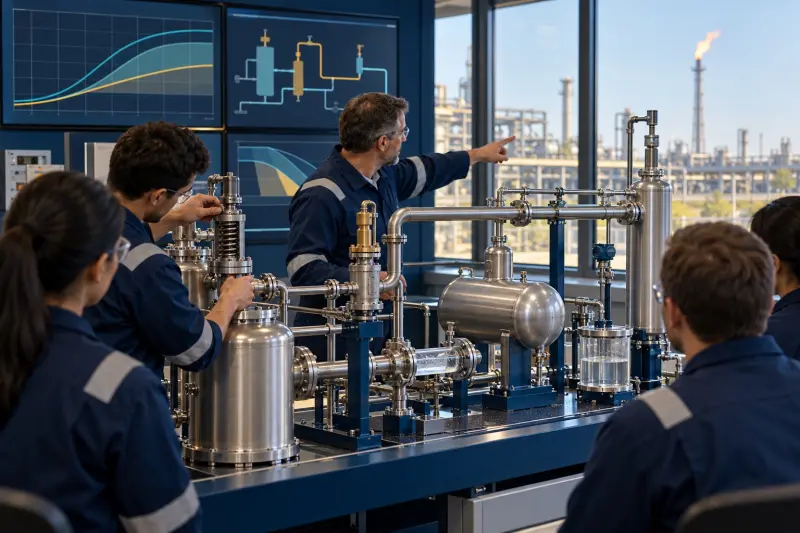
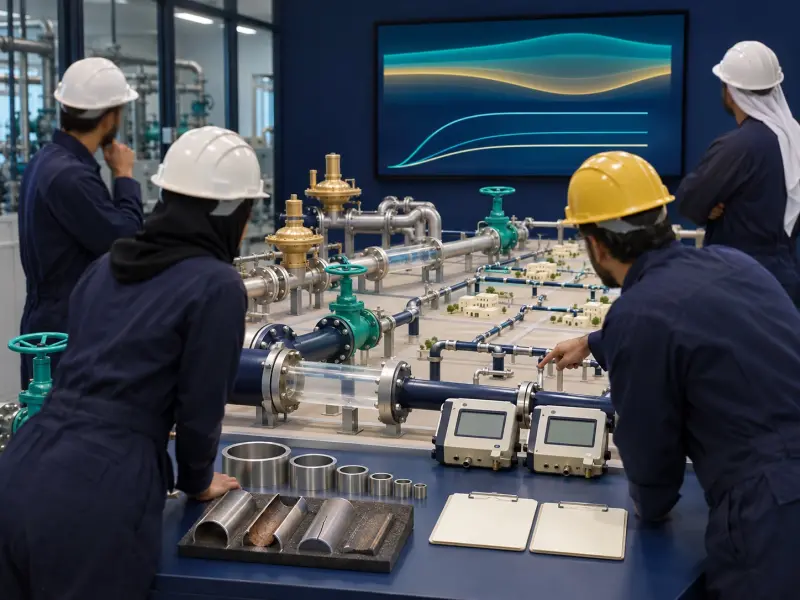
Oil and Gas Firefighting Systems Design Review Training Course is a one-week advanced course for fire protection, process safety, mechanical, piping, facilities, project, operations, and assurance functions who leave with a Firefighting System Design Review File. Participants connect hazard scenarios, firewater demand, hydraulic design, pumps, storage, networks, fixed suppression, detection interfaces, passive protection, reliability, testing, drawings, and specifications. Agile Leaders Training Center presents oil and gas firefighting systems design review.
Who Should Attend
- Fire-protection functions responsible for design basis, system selection, sizing, and technical review
- Process-safety functions responsible for credible scenarios, escalation, consequence controls, and performance requirements
- Mechanical and piping functions responsible for pumps, tanks, networks, valves, monitors, and equipment specifications
- Facilities and project functions responsible for layout, interfaces, constructability, procurement, and design assurance
- Operations and maintenance functions responsible for accessibility, reliability, testing, impairment, and lifecycle evidence
- Technical-assurance functions responsible for calculations, drawings, deviations, comments, and approval recommendations
The course assumes participants already read engineering drawings and contribute to process-facility design or review, and it leaves out workplace fire induction, evacuation management, fire-warden duties, extinguisher operation, and emergency-command tactics.
Departments and Industries
The course supports departments and industries that engineer fixed fire-protection systems for process hazards.
- Oil and gas production, processing, refining, storage, and terminals
- Petrochemical, chemical, and bulk flammable-liquid facilities
- Fire protection, process safety, mechanical, and piping engineering
- Projects, engineering procurement, construction, and technical assurance
- Operations, maintenance, inspection, and reliability
- Power, utilities, marine facilities, and industrial infrastructure
Learning Objectives
By the end of this course, participants will be able to:
- Build a hazard-led firefighting system design basis
- Analyze firewater demand, storage, pumping, and network hydraulics
- Evaluate water-spray, deluge, foam, and special-hazard systems
- Compare detection, release, passive-protection, and layout interfaces
- Diagnose calculation, drawing, specification, reliability, and testing gaps
- Create a traceable fixed-system design review recommendation
Course Agenda
Day 1: Define the Fire Protection Basis
- Fire and Explosion Scenario Selection Matrix
- Escalation, Exposure, and Protection Objective Map
- Active and Passive Protection Allocation Register
- Design-Basis Assumption and Deviation Log
- Firefighting System Performance Requirement Sheet
Day 2: Engineer Firewater Supply
- Simultaneous Firewater Demand Calculation Method
- NFPA 22 Fire-Water Storage Sizing Review
- NFPA 20 Fire-Pump Duty and Arrangement Checklist
- NFPA 24 Ring-Main, Hydrant, and Monitor Layout Review
- Hydraulic Network Pressure and Flow Verification Model
Day 3: Design Fixed Suppression
- NFPA 15 Water-Spray Coverage and Nozzle Calculation
- Deluge Valve-Zone and Release Logic Diagram
- NFPA 16 Foam-Water Application and Proportioning Review
- Tank, Process-Area, and Loading-Facility Protection Matrix
- Dry-Chemical and Clean-Agent Selection Assessment
Day 4: Review Interfaces and Assurance
- Fire and Gas Detection-to-Release Cause-and-Effect Review
- Passive Fire Protection and Drainage Interface Checklist
- Equipment Access, Isolation, and Maintainability Layout Audit
- NFPA 25 Inspection, Testing, and Maintenance Basis
- Calculation, Drawing, Specification, and Comment Resolution Register
Day 5: Practice Design Review
- Suggested Exercise: Challenge Hazard Scenarios and Protection Objectives
- Suggested Exercise: Verify Firewater Demand, Pump Duty, and Network Pressure
- Suggested Exercise: Review Water-Spray, Deluge, and Foam Coverage
- Suggested Exercise: Resolve Interface, Reliability, and Testing Deviations
- Capstone Exercise: Complete the Firefighting System Design Review File
Practical Exercises
The course uses suggested activities to connect hazard evidence, hydraulic calculations, system selection, design documentation, and assurance decisions.
- Suggested activity: define credible process, storage, and loading scenarios and translate them into protection objectives and demand cases.
- Suggested activity: check storage, pump duty, ring-main hydraulics, residual pressure, hydrant placement, and monitor reach.
- Suggested activity: review water-spray density, deluge zoning, foam application, release logic, drainage, and passive-protection interfaces.
- Suggested activity: consolidate calculation, drawing, specification, testing, and deviation findings into an approval recommendation.
FAQs
Who suits oil and gas firefighting systems design training, and what does it assume?
Oil and gas firefighting systems design training suits fire protection, process safety, mechanical, piping, facilities, project, operations, and assurance functions. It assumes participants can read engineering drawings and work with process-facility design information.
How does firefighting systems design differ from workplace fire-safety training?
Firefighting systems design converts hazard scenarios into engineered water supply, hydraulic networks, fixed suppression, detection interfaces, drawings, specifications, and tests. Workplace fire-safety training focuses on prevention behavior, alarms, evacuation, wardens, and portable extinguishers.
How is firewater demand established for oil and gas facilities?
Firewater demand is established from credible simultaneous scenarios, exposure protection, system application rates, hose and monitor allowances, duration, redundancy, hydraulic limits, and the governing project design basis.
What should a fixed firefighting system design review test?
A fixed firefighting system design review should test scenario coverage, demand calculations, pump and storage capacity, hydraulic performance, equipment layout, suppression application, release interfaces, drainage, reliability, accessibility, testing provisions, drawings, and specifications.
How do detection and release interfaces affect fixed suppression systems?
Detection and release interfaces affect initiation logic, voting, alarms, shutdowns, deluge or agent release, manual override, fail-safe behavior, feedback, testing, and the cause-and-effect evidence used during design assurance.
Conclusion
Participants take back a Firefighting System Design Review File linking hazards, demand, hydraulics, fixed suppression, interfaces, passive protection, reliability, testing, calculations, drawings, specifications, and deviations. The file changes separate discipline documents into one traceable assurance record. It supports design comments, verification decisions, action closure, and approval recommendations.
Oil & Gas Training and Other Technical Courses
Oil and Gas Firefighting Systems Design Course (1980_246313)
Course Details
# 1980_246313
6 – 10 December 2026
Langkawi
Fees : 8000 €
Oil and Gas Firefighting Systems Design Review Training Course runs in Langkawi over 5 days, with 1 upcoming date in Langkawi. The course fee is 8,000 €.
All dates in Langkawi
| Dates | Price | Actions |
|---|---|---|
| 6 – 10 December 2026 | 8,000 € | Register |
Training in Langkawi
Discover new skills in Langkawi, a serene archipelago, with our diverse courses set amid its stunning natural beauty and cultural richness.
All courses in LangkawiThis course in other cities
- Abu Dhabi
- Accra
- Addis Ababa
- Amman
- Amsterdam
- Athens
- Baku
- Bali
- Bangkok
- Barcelona
- Berlin
- Cairo
- Cape town
- Casablanca
- Chicago
- Doha
- Dubai
- Frankfurt
- Geneva
- Istanbul
- Jakarta
- Johannesburg
- Kuala Lumpur
- Kuwait
- Lagos
- Lisbon
- London
- Madrid
- Manama
- Marbella
- Milan
- Montreux
- Munich
- Muscat
- Nairobi
- New York
- Nice
- Paris
- Phuket
- Porto
- Prague
- Rome
- San Diego
- Seoul
- Sharm El-Sheikh
- Singapore
- Tashkent
- Tbilisi
- Tokyo
- Toronto
- Trabzon
- Vienna
- Zanzibar
- Zoom