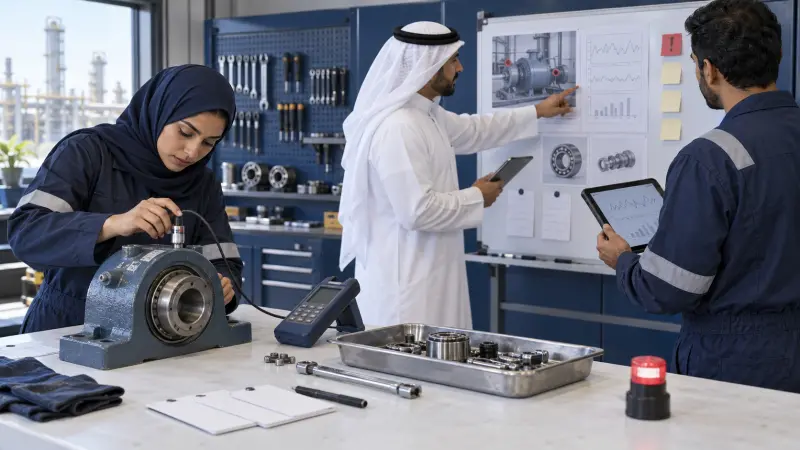
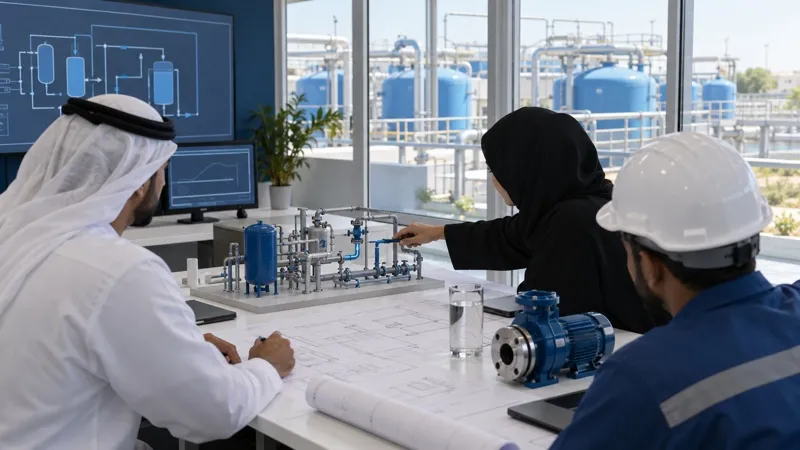
AI is no longer a side project in maintenance and reliability work. It is becoming the layer that reads sensor data, flags early signs of failure, and tells a planner which work order to open first. For teams that keep physical equipment running — in a plant, a hospital, or a renewable energy site — building this skill now is worth it: it turns maintenance from a reactive cost centre into a planned, prioritized function. The managers who benefit most are the ones already drowning in work orders, with too few technicians and too many assets to inspect by hand.
None of this replaces the technician who tightens a bolt or replaces a bearing. What it changes is the decision layer above that work: which asset gets attention first, which alert is noise, and which pattern is worth escalating before it becomes a failure. That is a skill gap, not a software gap, and it sits with the people who already run maintenance and reliability programs rather than with a separate data team.
What will you be able to do afterwards?
Training in this area is not about writing algorithms. It is about reading what the algorithms produce and turning that into decisions a maintenance team can act on. After building these skills, a maintenance manager, reliability engineer or asset planner should be able to:
- Interpret condition signals, anomaly scores and failure-mode evidence instead of treating a sensor alert as a black box.
- Prioritize work orders by criticality and risk, rather than by whichever ticket arrived first.
- Connect asset history, inspection data and spare-parts planning so a predicted failure does not stall on a missing part.
- Challenge a model's output: know where human validation is still required, and where a prediction needs a second look before it drives a decision.
- Build dashboards and escalation paths that give technicians and managers the same picture of asset health.
- Apply the same logic to integration problems, such as connecting renewable generation assets, optimization routines and grid monitoring into one coherent plan rather than separate spreadsheets.
The AI-Assisted Maintenance and Reliability Engineering Course is built around exactly this gap: it does not teach participants to develop models, but to interpret asset signals, prioritize interventions and govern reliability decisions that are accountable to the rest of the business.
Who is it for, and who is it not for?
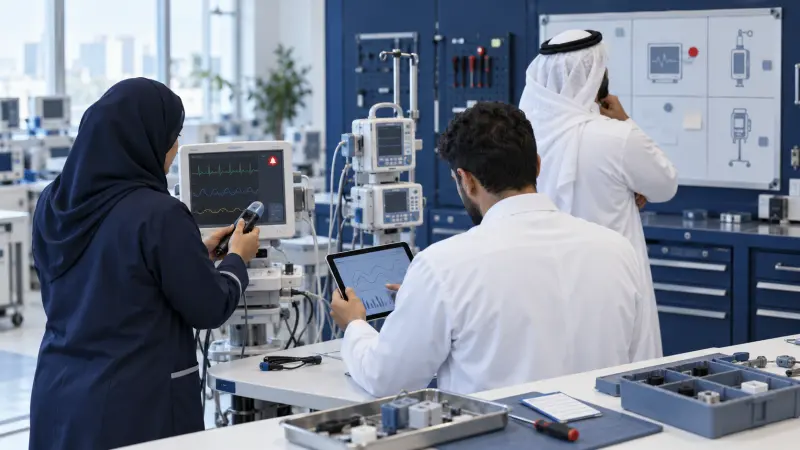
This is a strong fit for maintenance managers, reliability engineers, asset and planning teams, and condition-monitoring specialists who already own uptime targets and spare-parts budgets. It also fits engineering teams in sectors where downtime is not just expensive but dangerous or clinically risky — teams responsible for biomedical equipment, facilities, or renewable power assets, where a missed failure has consequences beyond cost. The Healthcare Equipment Predictive Maintenance Course, for example, is built for clinical engineering managers, biomedical equipment personnel and healthcare maintenance teams who need to connect equipment criticality, condition data and failure modes to a usable maintenance plan without compromising service continuity.
It is a weaker fit for anyone looking for a crash course in data science or software development. These programs assume you already work with maintenance, reliability or asset information; they do not start from statistics or coding fundamentals, and they will not turn a technician into a data scientist. If your gap is building the underlying models rather than acting on their output, this is the wrong starting point — look for a dedicated analytics or data-engineering program instead.
How does this play out on a real maintenance team?
Picture a reliability engineer who inherits a backlog of condition-monitoring alerts with no way to tell which ones matter. Right now, every alert gets the same attention, so urgent ones queue behind routine ones. After building the skills above, the same engineer can rank alerts by asset criticality and failure history, route the highest-risk ones straight to a planner, and leave the rest for the next scheduled inspection. The work order volume does not necessarily drop, but the sequence changes, and the costly failures get caught earlier.
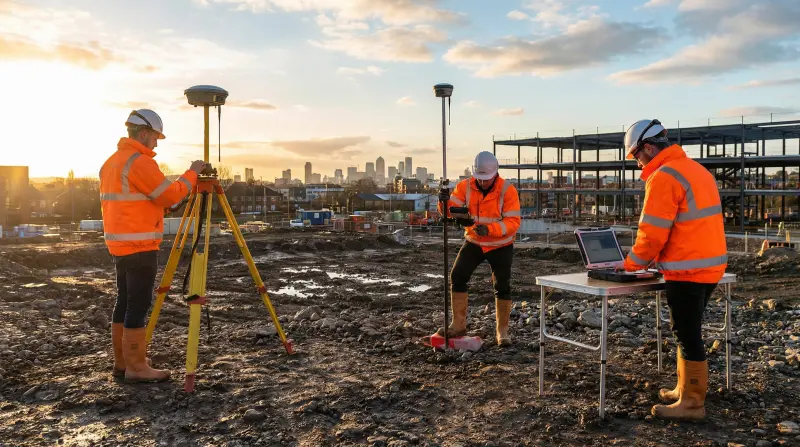
The same thinking extends past a single plant. A team responsible for renewable generation assets faces a similar integration problem: multiple power sources, monitoring systems and optimization routines that need to work as one plan rather than isolated tools. The Intelligent Renewable Energy Systems Integrating (AI) and Optimization Algorithms course addresses this directly, covering renewable energy integration, optimization algorithms, smart-grid monitoring and the practical design choices behind hybrid energy systems — the same structured, signal-to-decision thinking applied to a different asset base.
For teams further along the maturity curve, the harder question is not whether to start using condition data but how to move from fixed preventive schedules to a properly justified predictive program. That is a planning and financial-justification problem as much as a technical one: deciding where predictive monitoring earns its cost and where a fixed preventive schedule is still the right call. The Mastering Preventive and Predictive Maintenance: A Course for Engineers and Managers course works through exactly that transition, from preventive maintenance economics to the design of a predictive program that a finance team will actually approve.
Bottom line: If your team already owns uptime, asset condition or reliability targets, building AI-literate maintenance skills is a reasonable investment: it changes how work gets prioritized and justified, not just how it gets scheduled. If your team is earlier in its journey — still building basic preventive maintenance habits — start there first, then layer on the predictive and AI-assisted skills once the fundamentals are solid. Check the course page for the full syllabus, upcoming dates and fees.
Frequently asked questions
Do I need a data science background to benefit from AI-driven maintenance training?
No. These courses are built for maintenance, reliability and asset professionals who need to interpret and act on condition data, not to build the underlying models themselves.
Can these skills apply outside a traditional factory floor?
Yes. The same signal-to-decision approach applies to healthcare equipment, renewable energy assets and any environment where unplanned downtime is costly or risky.
How is this different from traditional preventive maintenance training?
Preventive maintenance follows a fixed schedule; predictive and AI-assisted approaches use condition data to decide when work is actually needed, which can catch failures a fixed schedule would miss.
What happens if the model gets a prediction wrong?
That is exactly why human validation stays part of the process: participants learn where to trust a model's output and where to apply their own judgment before acting on it.
Do I need new software before this training makes sense?
No particular platform is required to start; the priority is understanding the concepts and workflow so you can apply them to whatever condition-monitoring or asset system your organization already uses.