The verdict: maintenance and engineering capability pays off when it moves a team from urgent reaction to deliberate control of equipment risk. The best outcomes are visible in fewer repeated defects, clearer work priorities and better decisions about when to inspect, intervene or redesign.
Maintenance engineers, planners, supervisors, technicians, reliability professionals and production leaders benefit most when they share responsibility for equipment availability and work quality.
What will you be able to do afterwards?
Useful development should help a participant improve real maintenance decisions rather than collect isolated technical facts. Practical capability includes:
- Set asset priorities: distinguish equipment whose failure threatens safety, service or production from lower-consequence items.
- Plan work: define scope, labour, tools, materials, permits and coordination before a job reaches the field.
- Design preventive tasks: connect maintenance actions to credible failure modes instead of repeating inherited routines.
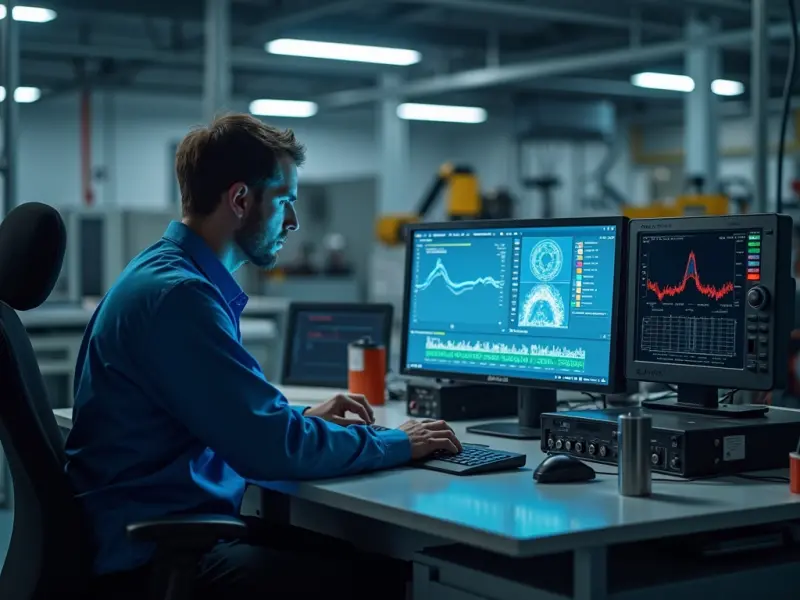
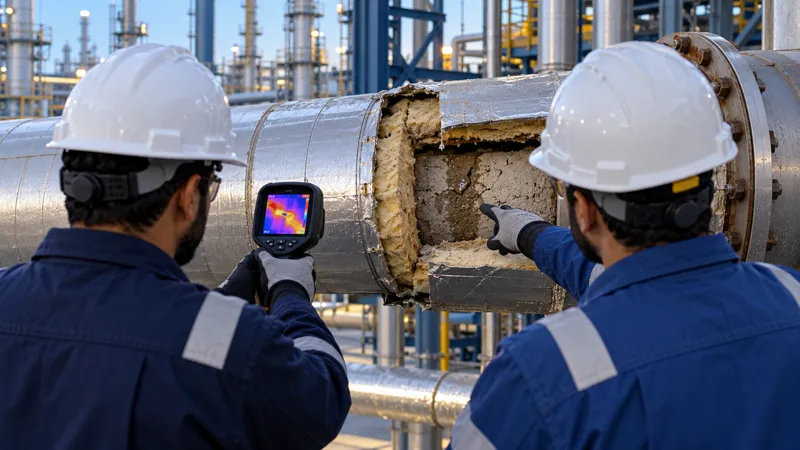
- Read condition evidence: combine inspection, operating history and monitored signals to identify developing problems.
- Analyse failure: separate symptoms from physical, human and system causes, then select actions that reduce recurrence.
- Improve basic equipment care: control cleanliness, lubrication, alignment, fasteners and operating conditions before advanced analysis.
- Coordinate operations and maintenance: make equipment condition, access needs and production constraints visible to both functions.
- Measure useful performance: use indicators to reveal planning quality, backlog risk and recurring failure rather than reward activity volume.
These skills are connected. Condition monitoring does not help when nobody owns the response. Planning cannot compensate for an unsuitable maintenance strategy. Failure analysis has little value when actions are not implemented or checked.
Who is it for, and who is it not for?
It is for people who inspect, maintain, plan, supervise or improve physical assets. That includes technicians, engineers, planners, supervisors, production leaders, facilities teams and reliability specialists. It also suits managers who approve maintenance priorities but need a stronger basis for balancing risk and operational demand.
It is especially relevant where teams experience repeated breakdowns, an uncontrolled backlog, emergency purchasing, frequent rework or disagreement between production and maintenance. These symptoms often point to weak prioritisation, planning or defect elimination rather than insufficient effort.
It is not a substitute for equipment-specific authorisation, manufacturer procedures or supervised technical practice. A general maintenance programme cannot qualify someone to perform hazardous specialist work. It is also not the right solution when the immediate problem is unavailable spares, an unresolved design defect or an operating condition that management refuses to correct.
Advanced analytical training is not always the first step. A site with poor asset records, weak lubrication and incomplete work history may gain more from fundamentals before investing in sophisticated predictive methods.
How should you choose the right development path?
Start with the participant’s decisions and the maturity of the maintenance system. A new engineer needs a broad foundation; a supervisor may need cross-functional equipment care; a reliability professional needs stronger analysis; and a mechanical specialist may need deeper diagnostic theory.
For professionals responsible for asset strategies and maintenance systems, Asset Reliability & Maintenance Technology Essentials covers maintenance planning and scheduling, preventive and predictive approaches, condition monitoring, reliability-centred maintenance, root-cause analysis, failure modes and asset criticality. It is suited to roles expected to connect technical evidence with lifecycle decisions.
For supervisors bringing production and maintenance together, Total Productive Maintenance Training Course For Supervisors focuses on maintenance planning, scheduling, mechanical maintenance and building a sustainable shared maintenance culture. Its practical value lies in treating equipment care as an operating responsibility rather than a task owned only by technicians.
For people building their core knowledge, Mastering Maintenance Fundamentals Training Course addresses preventive programmes, planning, scheduled work and common mechanical equipment such as shafts, rotors, bearings, couplings, gearboxes, compressors, valves, conveyors, fans, pumps and steam traps. It provides a broad base before narrower specialisation.
Where the role requires deeper understanding of dynamic behaviour, Mechanical Vibrations Theory and Application Training Course develops vibration modelling, free and forced response, harmonic excitation, isolation and more advanced vibration analysis. It fits engineers who need to interpret mechanical behaviour, not someone seeking only a general maintenance overview.
Choose by asking what the participant must produce after learning: a maintenance strategy, planned job, defect-elimination review, equipment-care routine or diagnostic assessment. A direct match between the course methods and that output matters more than a long topic list.
What does applying the skills look like at work?
Consider a pump that repeatedly develops bearing problems. Each event is repaired quickly, but the history is scattered and the team changes the bearing without reviewing installation, lubrication, alignment or operating conditions. The repair closes the work order, yet the failure returns.
A stronger team gathers the sequence of symptoms and interventions, checks asset criticality, reviews the failure mode and examines the physical and process conditions. The planned job includes alignment checks, lubricant verification, installation requirements and a clear acceptance test. Operations and maintenance agree which condition signals require escalation.
The value comes from removing recurrence, not merely shortening the repair. Work history becomes useful evidence, and the next decision is based on condition and cause rather than habit.
In another case, a maintenance backlog contains many jobs labelled urgent. A trained planner clarifies consequence, defect progression, access and resource needs. Critical work is prepared first, low-value duplicates are removed and jobs waiting on materials are made visible. Supervisors can then protect planned work from avoidable interruption.
How can managers judge whether capability is improving?
Look for better maintenance outputs. Do job plans define scope and acceptance? Are preventive tasks tied to failure modes? Can the team explain why one asset receives priority? Does a repeat-failure review identify causes and verified actions? Are condition alarms linked to a response process?
Review one live example with the participant. Ask them to show the asset risk, evidence, chosen action and expected result. A credible explanation should include uncertainty and operational constraints, not promise that every failure can be predicted.
Managers should reinforce the process across functions. Production must report defects early and respect agreed intervention points. Stores must make material constraints visible. Engineering must address design weaknesses. Maintenance capability improves fastest when these interfaces work.
What should be agreed before training?
- Which assets or failure patterns create the greatest operational risk?
- What decisions does the participant own?
- Is the immediate need fundamentals, supervision, reliability strategy or specialist diagnosis?
- Which real work product will be improved afterward?
- Who will review and support the first application?
Clear answers prevent overtraining in advanced methods while basic controls remain weak, and they provide a practical basis for follow-up.
Bottom line: maintenance skills pay off when they turn equipment history and condition into planned, risk-based action. Build the fundamentals first, then add supervisory, reliability or diagnostic depth as the role requires. Check the course page for the full syllabus, upcoming dates and fees.
Frequently asked questions
Should operations staff receive maintenance development?
Yes, when they influence equipment care, defect reporting and operating conditions. Their learning should match their responsibilities and should not authorise specialist maintenance work.
Is predictive maintenance always better than preventive maintenance?
No. The right task depends on the failure mode, detectability, consequence and economics. Some failures need scheduled replacement, some need condition monitoring and others require redesign or run-to-failure decisions.
How can a planner practise after training?
Select one recurring job and improve its scope, resources, safety requirements, materials, steps and acceptance criteria. Review field feedback and update the plan before reuse.
What makes failure analysis useful?
A clear problem definition, reliable evidence, suitable depth and actions that address causes rather than symptoms. Actions must have owners and be checked for effectiveness.
When is specialist vibration knowledge appropriate?
It is appropriate when engineers must model or interpret dynamic response, diagnose vibration behaviour or design isolation. A broad fundamentals course is more suitable for general maintenance roles.