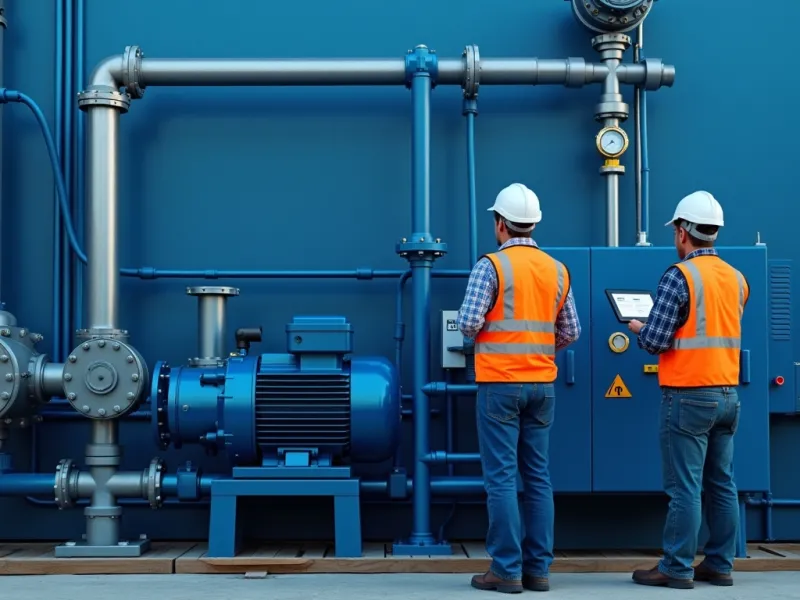
A water treatment plant rarely fails because of one bad decision. It fails because small gaps in design, commissioning, and operation are allowed to pile up until they surface as downtime, poor water quality, or a system that never quite runs the way the drawings promised. The teams that avoid this treat plant design as one continuous process, not three separate handoffs between engineers, commissioning crews, and operators.
Where Do Water Treatment Plant Design Mistakes Usually Start?
Most of the recurring mistakes trace back to the earliest design decisions, long before construction starts.
- Sizing pumping and filtration for average flow, not peak demand. A system that works on paper under steady conditions can struggle the first time demand spikes.
- Treating coagulation, flocculation, and sedimentation as independent steps. When these stages are not tuned together, the whole treatment process loses efficiency even if each stage looks fine in isolation.
- Choosing a disinfection method (chlorination, UV, or ozone) without checking how it interacts with the rest of the process. A disinfection system selected late, after the rest of the plant is fixed, often forces compromises nobody intended.
- Leaving commissioning out of the design conversation. A plant designed without a clear start-up sequence in mind is harder and slower to commission, and the problems show up exactly when the client is watching most closely.
- Writing SCADA and control logic as an afterthought. Control systems added late rarely reflect how the plant is actually meant to be operated day to day.
None of these are exotic failures. They are the ordinary result of design, commissioning, and operation being treated as three separate disciplines instead of one.
What Will You Be Able to Do Afterwards?
Training that covers the full lifecycle, not just the design stage, changes what an engineer or technician can actually deliver on the next project.
- Design pumping stations and distribution systems with commissioning and operation in mind from the first drawing, not as a later fix.
- Specify and sequence clarification, filtration, coagulation, and flocculation stages so they work together rather than as isolated unit processes.
- Plan sedimentation basin sizing and layout against the realistic range of flows the plant will see, not just the design average.
- Select and integrate disinfection systems, including chlorination, UV, and ozone, as part of the whole treatment train rather than a bolt-on step.
- Build a water plant start-up checklist that engineers and commissioning teams can actually follow, instead of improvising on site.
- Read and influence SCADA and control strategy early enough that operators are not left guessing how the plant is supposed to behave.
- Apply activated carbon filtration and related polishing steps where they genuinely add value, instead of defaulting to them out of habit.
These are the skills behind the Comprehensive Training in Water Treatment Plant Design, Commissioning, and Operation, which works through design, commissioning, and operation as one connected process based on AWWA and ASCE references, rather than treating them as separate subjects.
Design decisions do not stand alone, either. Teams that pair plant design training with broader maintenance capability tend to catch these issues earlier, because maintenance staff are often the first to notice when something was specified wrong. The Mastering Preventive and Predictive Maintenance: A Course for Engineers and Managers builds the habit of tracing a recurring fault back to its root cause, the Mastering Maintenance Fundamentals Training Course covers the groundwork needed to keep a newly commissioned plant running as designed, and the Total Productive Maintenance Training Course For Supervisors helps supervisors build a culture where design problems get reported and fixed instead of worked around indefinitely.
Who Is It For, and Who Is It Not For?
This kind of training earns its place on the calendar for specific roles, and it is a poor fit for others.
It is a strong fit for:
- Design engineers who specify pumping, filtration, or distribution systems and want their drawings to survive commissioning intact.
- Commissioning engineers and start-up teams who inherit a design and need to turn it into a working plant on a tight timeline.
- Plant operators and supervisors who want to understand why the plant was designed the way it was, not just how to run it.
- Engineering managers who review or approve water treatment designs and need to ask the right questions before sign-off.
It is a weaker fit for:
- Staff who need only basic awareness of water treatment, with no design, commissioning, or operational responsibility.
- Teams looking for a narrow certification in a single piece of equipment rather than the whole plant lifecycle.
How Do These Skills Play Out on the Job?
Picture a mid-size municipal or industrial plant where the filtration stage was sized correctly for the treatment chemistry but never checked against the pumping station's actual delivery pattern. During commissioning, the filters clog faster than expected whenever demand spikes, and the operations team spends the first few months fighting a problem that should have been caught on paper.
An engineer who has worked through plant design, commissioning, and operation as one subject looks at this differently. They check pumping station design and water distribution system design against filtration and clarification requirements before construction starts, not after. They build the water plant start-up checklist around the way the plant will actually be loaded, not an idealised average. And because they understand water pump station commissioning procedures as well as the design drawings, they can tell commissioning crews what to expect instead of leaving them to discover it.
The same habit of thinking across the whole lifecycle, rather than one stage at a time, is what separates a design that looks correct from one that performs correctly once it is built and running.
Bottom Line
Water treatment plant design mistakes are rarely about missing technical knowledge in any one area. They are about design, commissioning, and operation being planned as separate jobs instead of one process. Closing that gap is what structured, lifecycle-based training is for. Check the course page for the full syllabus, upcoming dates and fees.
Frequently asked questions
Why do water treatment plant design mistakes often only show up during commissioning?
Because many of them are interaction problems between stages, such as pumping and filtration, that look fine on paper when each stage is reviewed on its own. They only surface once the whole plant is running together under real, variable demand.
Does fixing design mistakes always mean redesigning the plant?
No. Many issues are fixed by adjusting how stages are sequenced, operated, or monitored rather than rebuilding them. The earlier a mistake is caught, ideally before construction, the cheaper and smaller the fix tends to be.
Is this type of training only useful for brand-new plants?
No. The same design, commissioning, and operation principles apply when upgrading, expanding, or troubleshooting an existing plant, since the underlying processes such as filtration, coagulation, and disinfection do not change.
How does disinfection system choice connect to design mistakes elsewhere in the plant?
Chlorination, UV, and ozone systems each have different space, timing, and interaction requirements with upstream treatment stages. Choosing one late, after the rest of the plant is fixed, often forces compromises that a connected design process would have avoided.
Who should actually attend this kind of training, engineers or operators?
Both benefit, but for different reasons. Engineers learn to design with commissioning and operation in mind, while operators and supervisors gain enough understanding of the design logic to run and troubleshoot the plant more effectively.