Advanced Flare Gas Recovery Systems Design Training Course

Course Details
-
# 1981_246364
-
12 – 16 July 2027 16.Jul.2027
-
Milan
-
7000 €
Overview
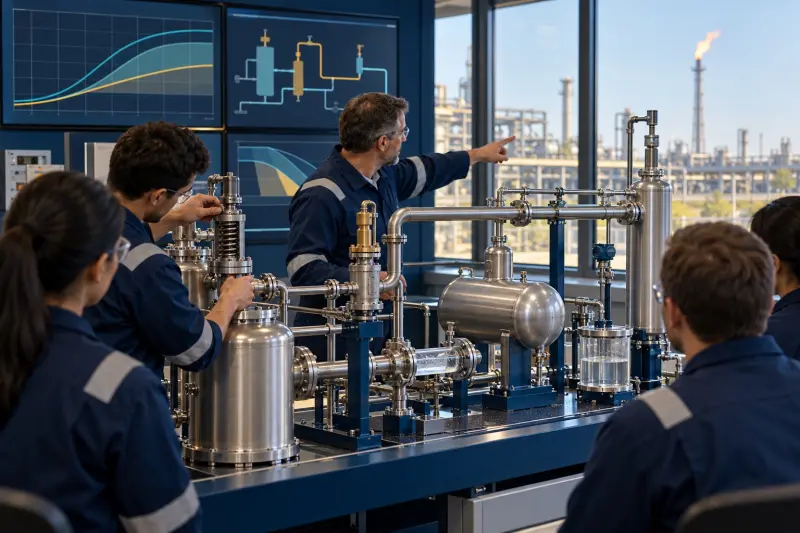
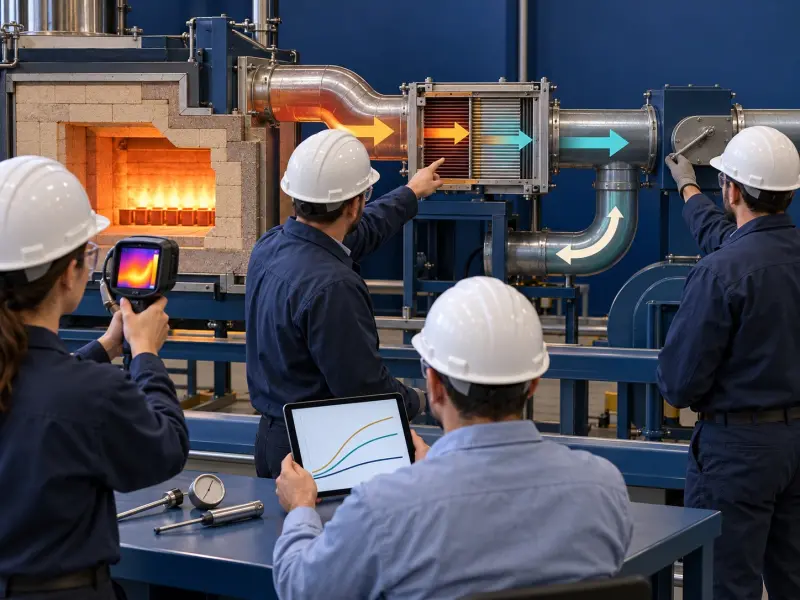
Advanced Flare Gas Recovery Systems Design Training Course is a one-week course for process, facilities, rotating-equipment, operations, environmental, energy-efficiency, project, and assurance functions who leave with a Flare Gas Recovery and Utilization Design File. Participants connect flare gas recovery systems design, recoverable flare load selection, flare gas compression, gas utilization routes, and brownfield FGR integration without constraining emergency disposal. Agile Leaders Training Center presents advanced flare gas recovery engineering.
Who Should Attend
- Process and facilities functions responsible for source characterization, design basis, conditioning, routing, and integration
- Rotating-equipment functions responsible for compressor selection, turndown, anti-surge protection, and machinery interfaces
- Operations functions responsible for stable header pressure, control response, shutdowns, monitoring, and troubleshooting
- Environmental and energy-efficiency functions responsible for flare accounting, emissions reduction, recovered-energy performance, and reporting evidence
- Project and technical-assurance functions responsible for screening, economics, specifications, design reviews, and acceptance decisions
The course assumes participants already interpret process data and engineering documents, and it leaves out relief-load calculation, flare-tip combustion design, and mechanical-integrity inspection.
Departments and Industries
The course supports departments and industries that recover routine flare gas while retaining a safe disposal path.
- Oil and gas production, gathering, processing, refining, storage, and terminals
- Petrochemical, chemical, fertilizer, and gas-to-power facilities
- Process, facilities, machinery, instrumentation, and control engineering
- Operations, maintenance, reliability, and energy management
- Projects, engineering procurement, construction, and technical assurance
- Environmental performance, emissions accounting, and industrial decarbonization
Learning Objectives
By the end of this course, participants will be able to:
- Build a traceable flare-source inventory and operating envelope
- Analyze recoverable loads, gas quality, conditioning, and utilization constraints
- Evaluate compressor technology, turndown, controls, and protection
- Compare fuel, processing, reinjection, export, and power routes
- Diagnose reliability, shutdown, corrosion, monitoring, and revamp risks
- Create an assured FGR design and performance case
Course Agenda
Day 1: Establish the Recovery Basis
- Flare-Source Inventory and Composition Register
- Normal, Intermittent, and Emergency Flow Classification Method
- Recoverable-Load Duration Curve and Design Envelope
- Header Pressure, Knockout Drum, and Seal Interface Map
- Recovery Design Basis and Assumption Log
Day 2: Engineer Conditioning and Compression
- Liquid Separation and Gas Conditioning Selection Matrix
- Compressor Technology and Gas-Quality Screening Model
- Capacity, Turndown, Recycle, and Anti-Surge Calculation Sheet
- Suction Pressure and Flare-Header Interaction Analysis
- Materials, Corrosion, Utilities, and Machinery Interface Checklist
Day 3: Integrate Controls and Safeguards
- FGR Operating-Control Narrative and Pressure Cascade
- Start-up, Normal Operation, Upset, and Shutdown State Diagram
- Trip, Bypass, Isolation, and Safe-Disposal Cause-and-Effect Matrix
- Instrumentation, Metering, Alarm, and Performance-Monitoring Plan
- Reliability, Availability, Maintainability, and Spared-Duty Assessment
Day 4: Select Utilization and Project Cases
- Fuel Gas, Processing, Reinjection, Export, and Power Route Matrix
- Recovered-Gas Energy and Emissions Accounting Method
- Capital, Operating, Revenue, and Sensitivity Evaluation Model
- Brownfield Tie-in, Constructability, and Outage Integration Plan
- Operability, HAZOP Input, and Technical-Assurance Review Register
Day 5: Practice FGR Design Assurance
- Suggested Exercise: Reconcile the Source Inventory and Recoverable-Load Envelope
- Suggested Exercise: Select Conditioning, Compression, and Turndown Arrangements
- Suggested Exercise: Test Control, Trip, and Safe-Disposal Responses
- Suggested Exercise: Compare Utilization Economics and Performance Evidence
- Capstone Exercise: Complete the Flare Gas Recovery and Utilization Design File
Practical Exercises
The course uses suggested activities to connect operating evidence, equipment choices, control behavior, utilization value, and assurance decisions.
- Suggested activity: classify sources and flow modes, test data quality, and establish a recoverable-load duration curve.
- Suggested activity: screen separation, conditioning, compressor, turndown, recycle, materials, utility, and reliability options.
- Suggested activity: challenge header-pressure control, trips, bypasses, shutdown states, metering, and safe return to flaring.
- Suggested activity: compare use routes, sensitivities, emissions evidence, tie-ins, and design-review actions in one decision file.
FAQs
Who suits advanced flare gas recovery systems design training, and what does it assume?
Advanced flare gas recovery systems design training suits engineering, operations, energy, environmental, project, and assurance functions. It assumes participants can work with process data, flow diagrams, equipment information, and operating scenarios.
How does flare gas recovery systems design differ from flare and relief-system design?
Flare gas recovery systems design captures routine and manageable flows for reuse while preserving the flare as a safe disposal route. Relief-system design establishes credible emergency loads, disposal capacity, radiation, dispersion, combustion, and mechanical requirements.
How is the recoverable flare load selected for an FGR system?
The recoverable flare load is selected from measured and reconciled source flows, composition, duration, variability, header pressure, compressor turndown, downstream demand, reliability targets, and the requirement to pass larger or abnormal flows safely to the flare.
Which flare gas utilization route should an FGR project choose?
The utilization route should follow gas quality, pressure, conditioning needs, demand profile, infrastructure, operability, energy value, emissions effect, capital cost, operating cost, and sensitivity to uncertain flow. Fuel gas, processing, reinjection, export, and power options require different interfaces.
What control issue is most important in flare gas recovery?
Stable flare-header suction pressure is central because recovery must respond to routine variation without drawing air inward, overpressuring the header, starving the compressor, or obstructing safe disposal. Pressure control, recycle, trips, seals, bypasses, and shutdown logic work as one protection arrangement.
Conclusion
Participants take back a Flare Gas Recovery and Utilization Design File linking source data, load selection, conditioning, compression, controls, safeguards, use routes, economics, performance, and revamp interfaces. The file changes disconnected studies into one traceable engineering case. It supports design reviews, option selection, operating decisions, and action closure.
Oil & Gas Training and Other Technical Courses
Flare Gas Recovery Systems Design Training Course (1981_246364)
Course Details
# 1981_246364
12 – 16 July 2027
Milan
Fees : 7000 €
Advanced Flare Gas Recovery Systems Design Training Course runs in Milan over 5 days, with 1 upcoming date in Milan. The course fee is 7,000 €.
All dates in Milan
| Dates | Price | Actions |
|---|---|---|
| 12 – 16 July 2027 | 7,000 € | Register |
Training in Milan
Experience our top-notch training courses in Milan one of the most vibrant cities of Italy, Join one of our vocational training courses in Italy Today!
All courses in MilanThis course in other cities
- Abu Dhabi
- Accra
- Addis Ababa
- Amman
- Amsterdam
- Athens
- Baku
- Bali
- Bangkok
- Barcelona
- Berlin
- Cairo
- Cape town
- Casablanca
- Chicago
- Doha
- Dubai
- Frankfurt
- Geneva
- Istanbul
- Jakarta
- Johannesburg
- Kuala Lumpur
- Kuwait
- Lagos
- Langkawi
- Lisbon
- London
- Madrid
- Manama
- Marbella
- Montreux
- Munich
- Muscat
- Nairobi
- New York
- Nice
- Paris
- Phuket
- Porto
- Prague
- Rome
- San Diego
- Seoul
- Sharm El-Sheikh
- Singapore
- Tashkent
- Tbilisi
- Tokyo
- Toronto
- Trabzon
- Vienna
- Zanzibar
- Zoom